
Last updated September 10, 2026
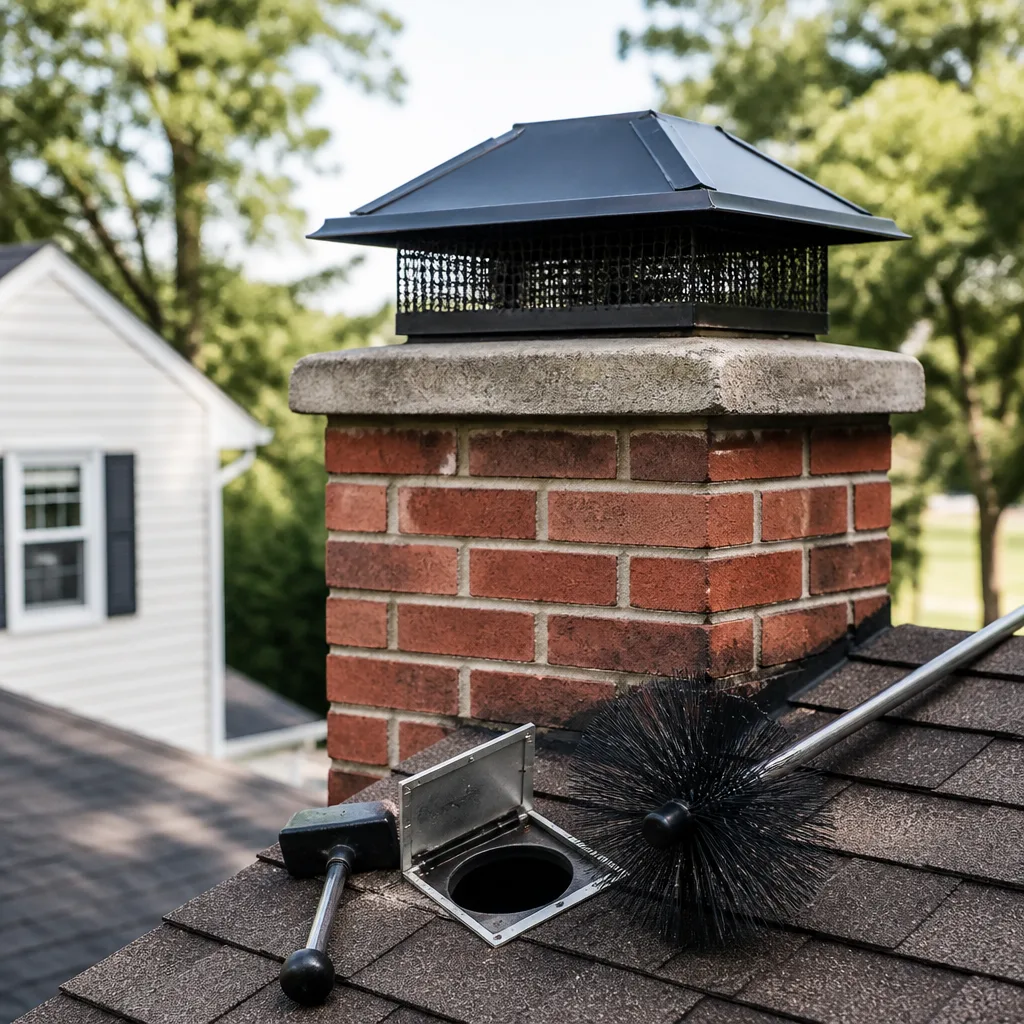
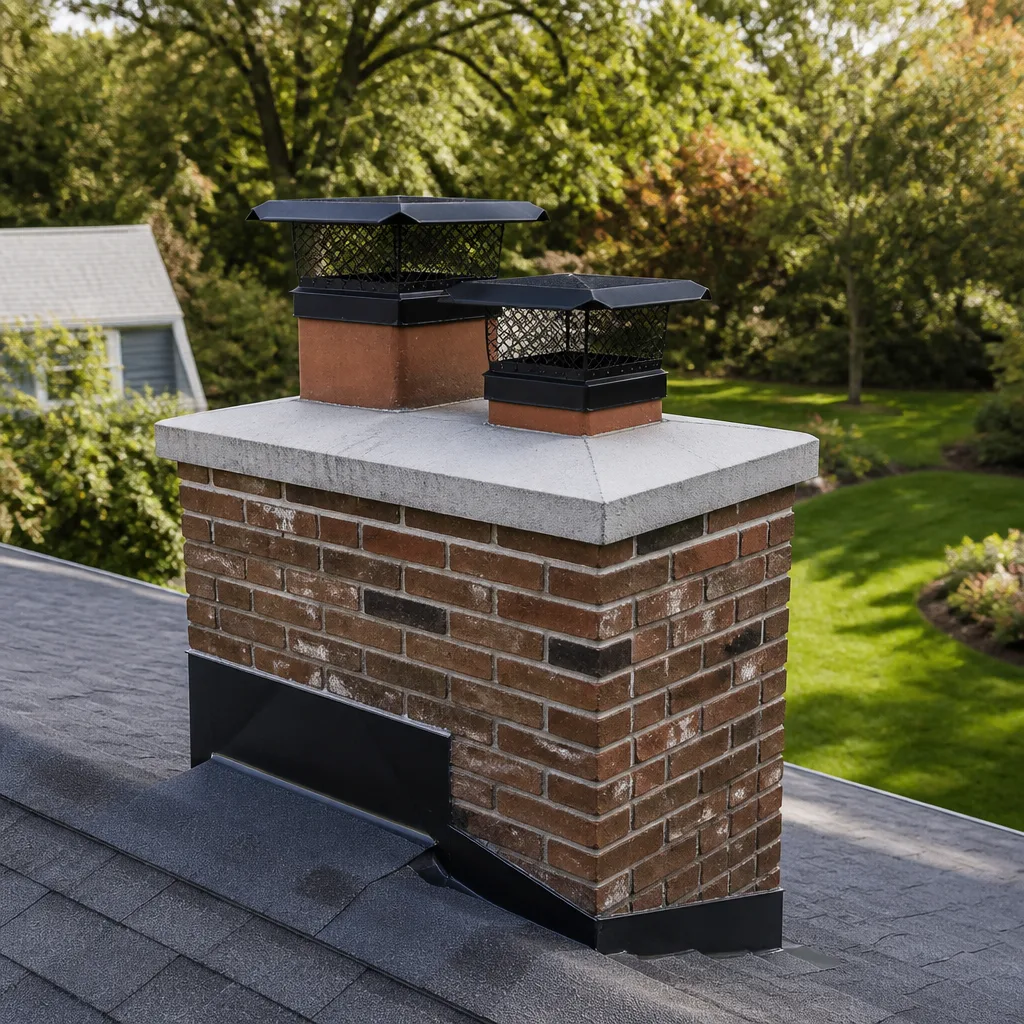
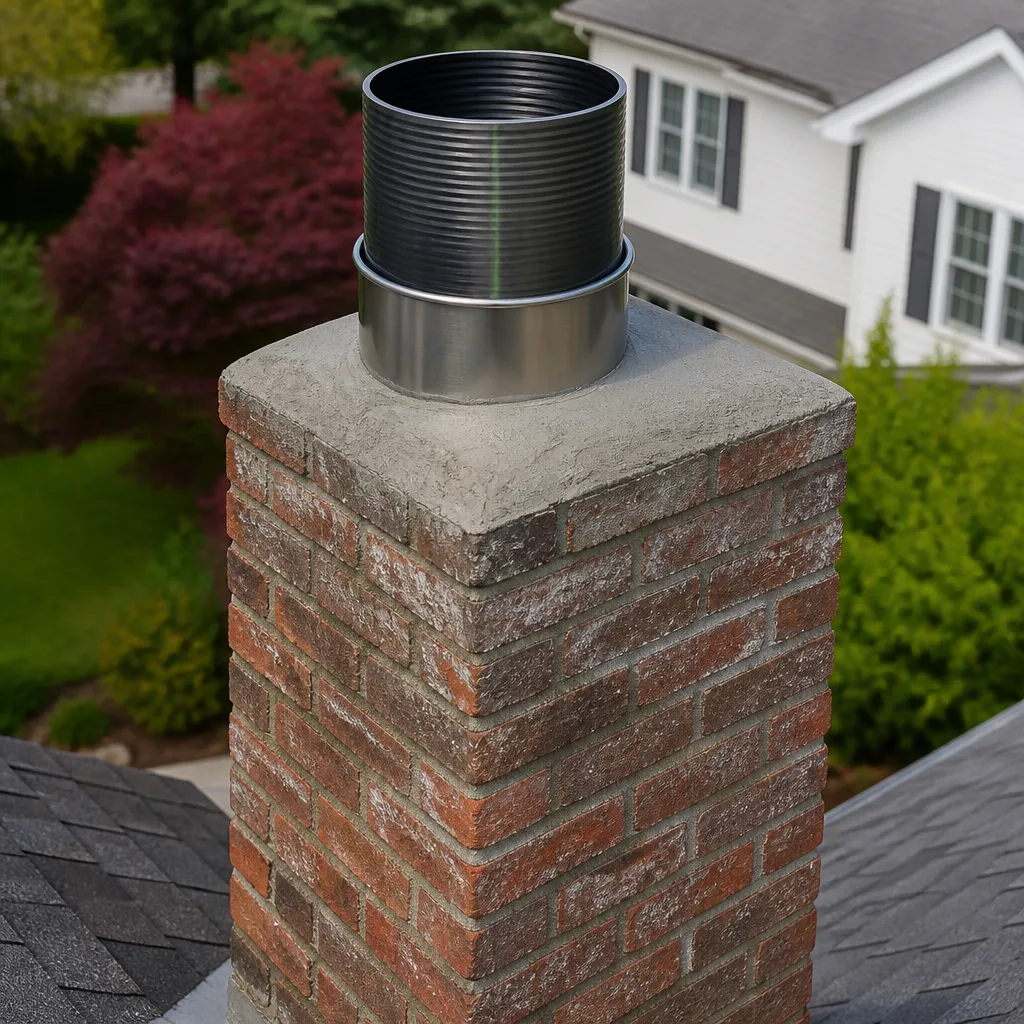
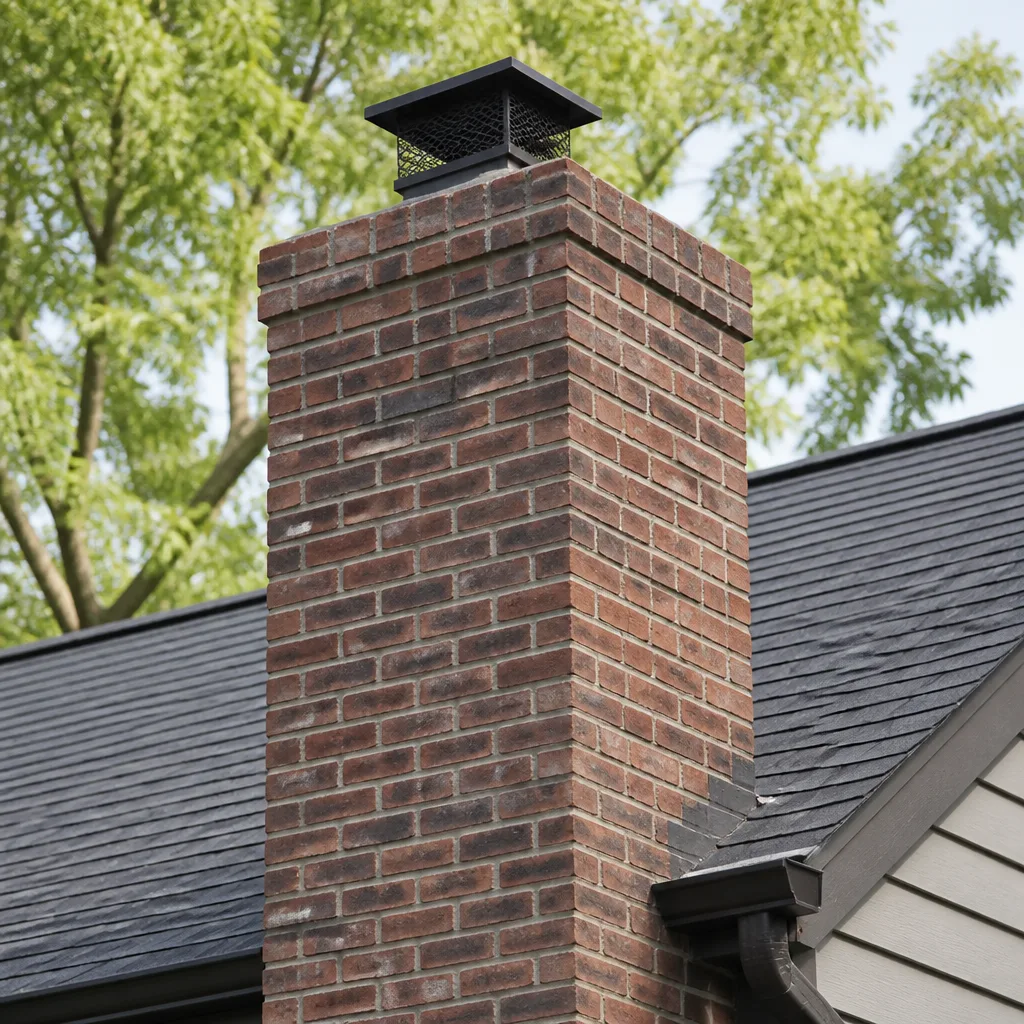
Level 1 sweep and inspection to the NFPA 211 annual standard - flue, crown, cap, and flashing checked and photographed
Chimney sweep logs do not sweep chimneys. They loosen some creosote - which then falls where a brush and vacuum still have to collect it.
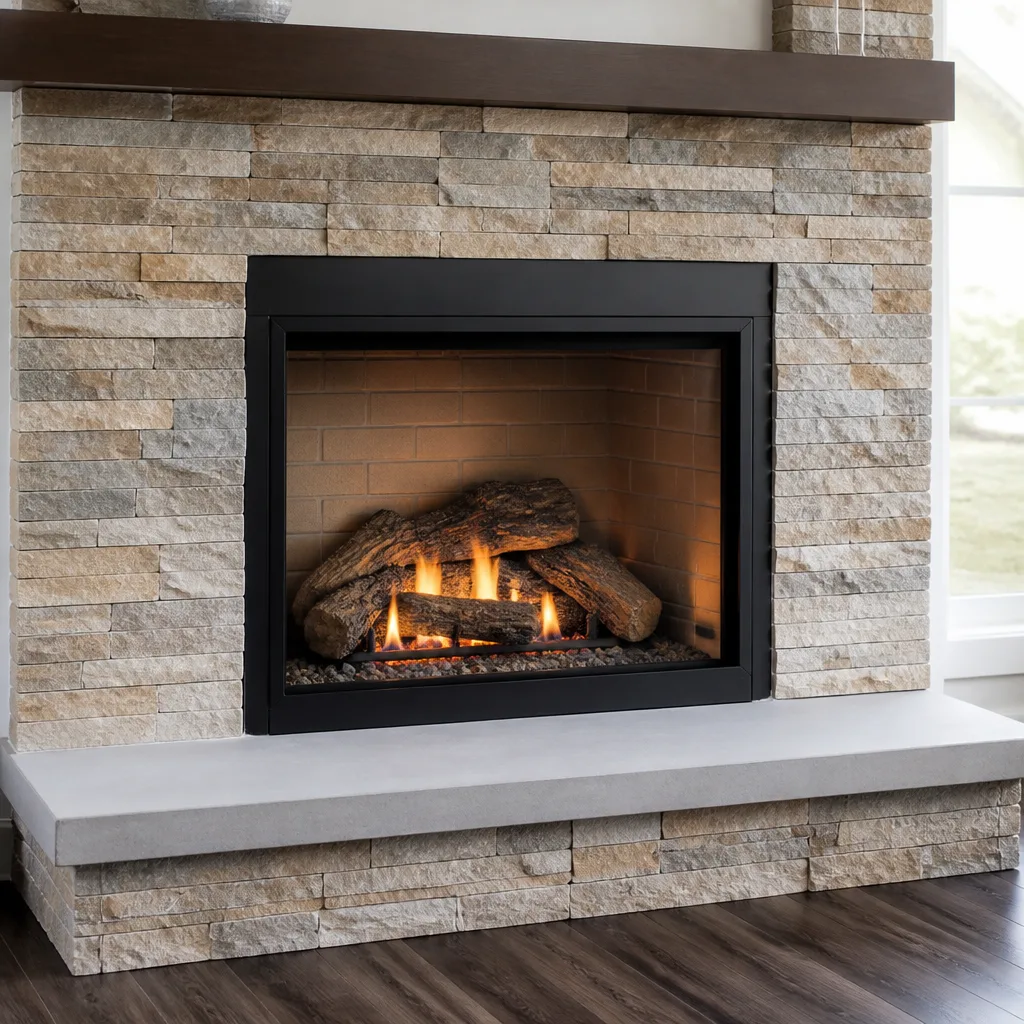
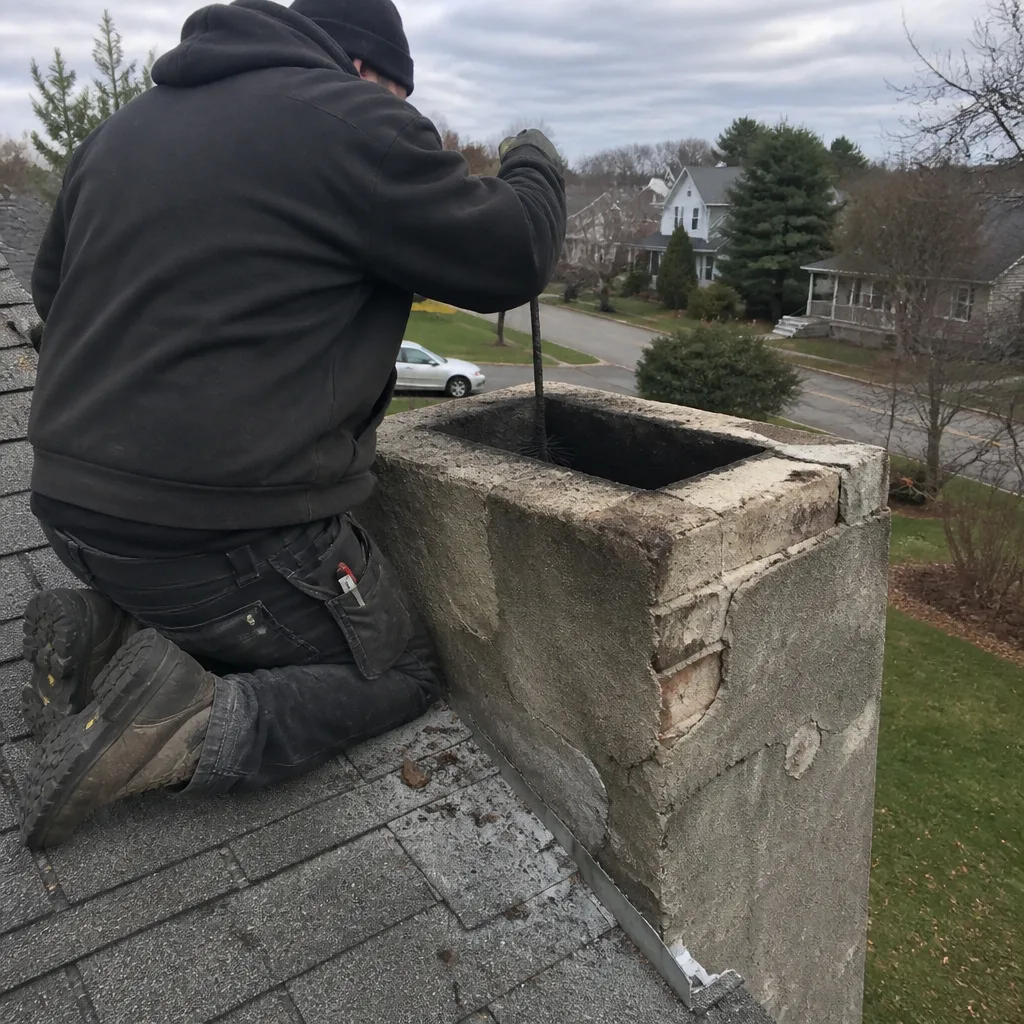 Before
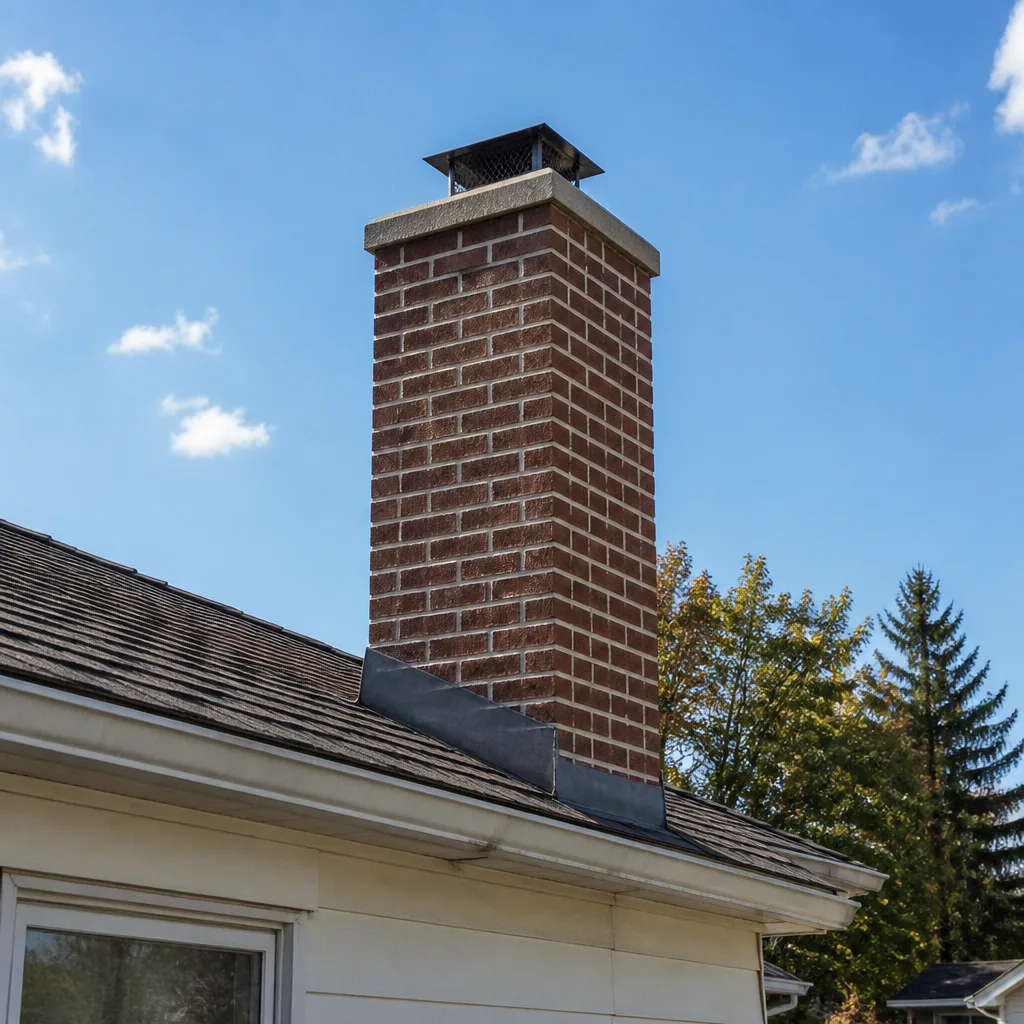 After
After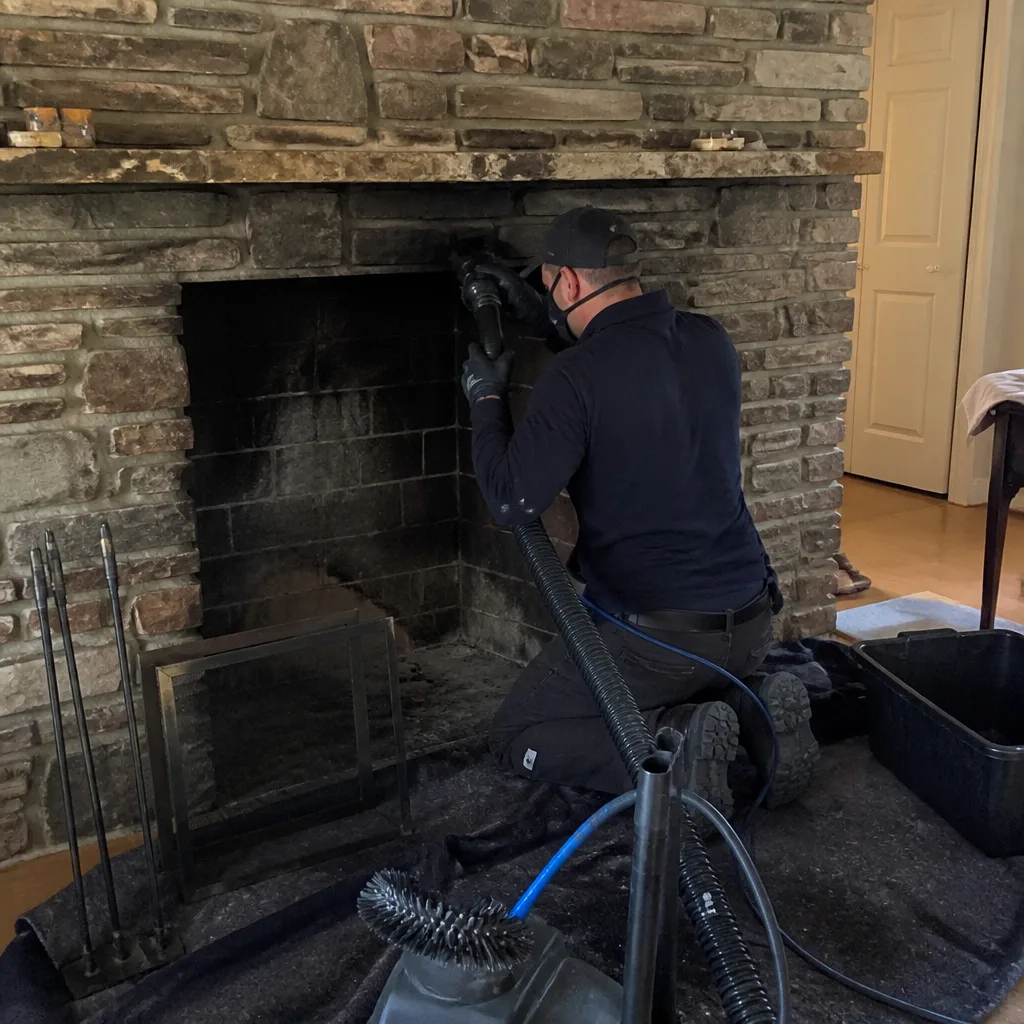 Before
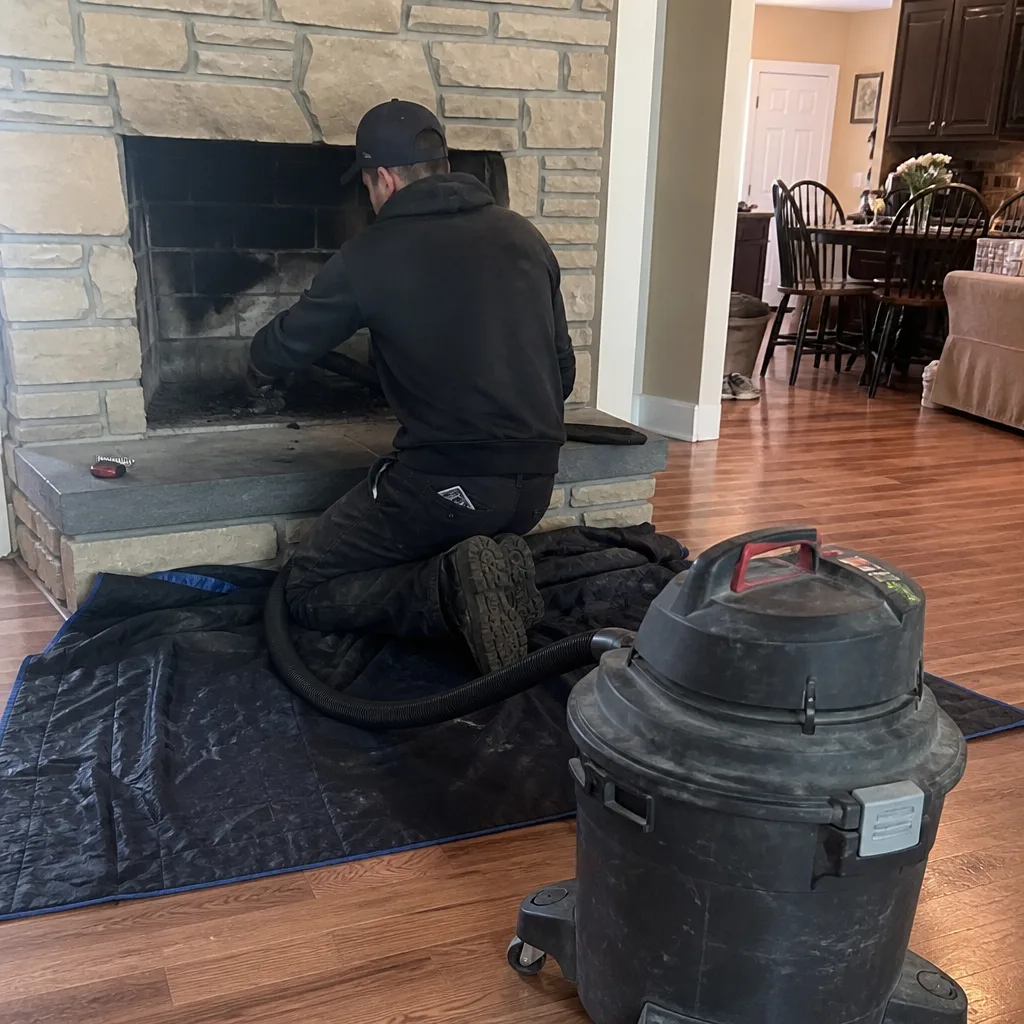 After
After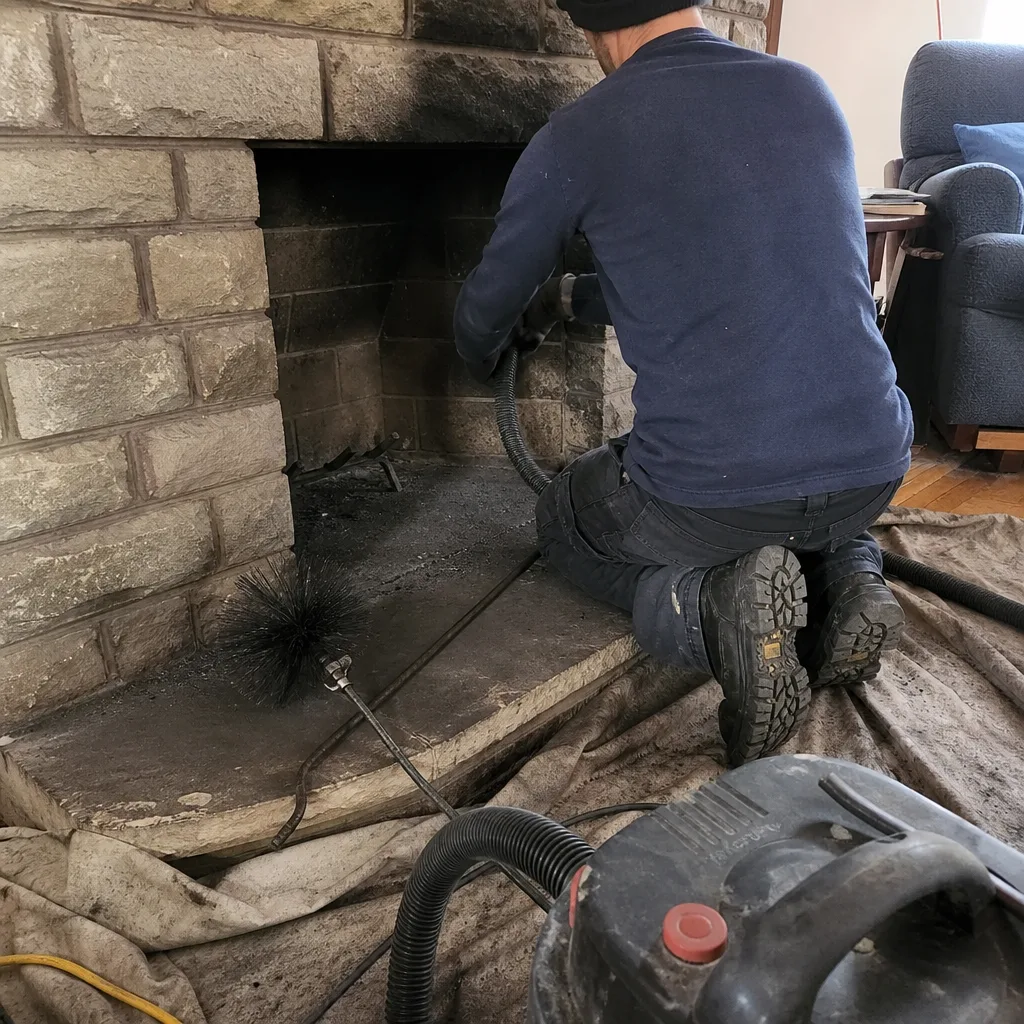 Before
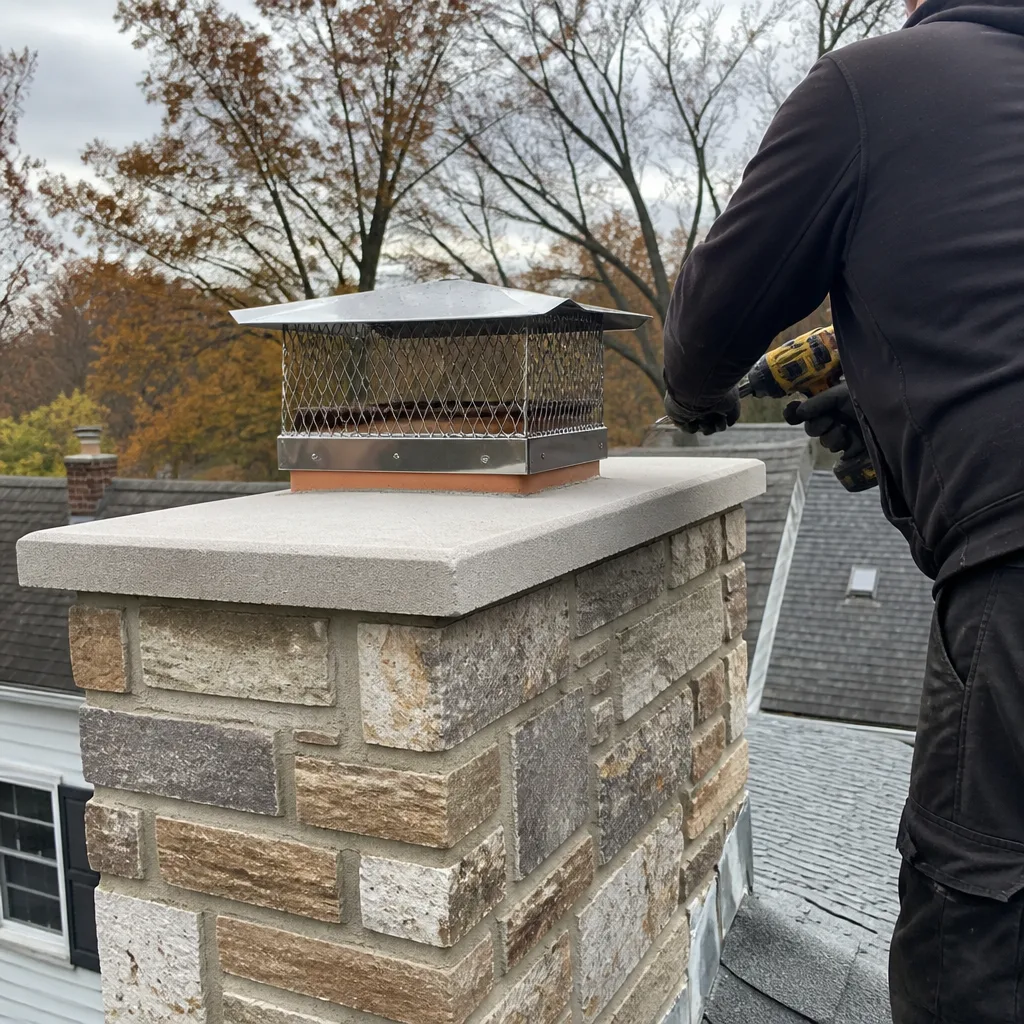 After
AfterSeasonal Chimney Cleaning Care for Bethlehem: Year-Round Homeowner’s Guide
October is the worst month to discover your chimney has a problem. It’s also the month most Bethlehem homeowners first call a sweep, which means they’re scheduling around convenience rather than around the damage calendar. In 42 years of working in the Lehigh Valley, we’ve learned that spring freeze-thaw cycles and late-summer moisture infiltration cause more structural harm to Bethlehem chimneys than a full winter of burning. Yet most maintenance dollars get spent in fall, when it’s too late to prevent what already happened. This guide reframes the year around when damage actually occurs, so your maintenance prevents expensive repairs instead of reacting to them. For more guides & resources on protecting your home, visit our blog.
Quick Answer
Chimney care in Bethlehem should follow a four-season schedule: inspect mortar and crown damage in March-April after freeze-thaw cycles, cap and sweep in June-August before moisture and nesting material accumulate, confirm flue condition with a Level-2 camera inspection in September before first fire, and monitor for odors and draft issues mid-season November-February. A rolling 12-month maintenance log prevents small problems from compounding into rebuilds.
Table of Contents
- Spring in Bethlehem: The Hidden Damage Season (March-April)
- Summer: When Uncapped Flues Deteriorate (June-August)
- Fall Pre-Season: What “Last Year Was Fine” Misses (September)
- Winter Burning Season: Mid-Season Monitoring (November-February)
- Building Your 12-Month Maintenance Log
- What Seasonal Chimney Care Costs in Bethlehem
- Common Mistakes to Avoid
- When to Call a Professional
- Frequently Asked Questions
Spring in Bethlehem: The Hidden Damage Season (March-April)
The highest-value chimney task of the year happens after the last hard freeze, not before the first fire. Bethlehem sits in the Lehigh Valley’s frost-penetration zone, where winter temperatures regularly swing between single digits and the 40s. Water enters hairline cracks in mortar joints and crown surfaces, freezes overnight, and expands with enough force to split bricks and separate crown from flue tile. By March, the damage is done but still small enough to fix without rebuilding.
In neighborhoods like Historic Bethlehem and the South Side’s older stock, we regularly see spring mortar failure that went unnoticed the previous fall. The homeowner burned all winter without issue, then discovers in October that a 3-inch crown crack has widened to a gap admitting daylight. That gap spent summer funneling rain onto the smoke shelf and damper. A spring inspection would have caught it when a crown seal with HeatShield or a targeted repointing was still sufficient.
Here’s what a spring inspection should confirm:
- Crown integrity: Check for cracks wider than 1/16 inch, especially at the crown-to-flue tile junction where differential expansion creates stress.
- mortar joints: Probe horizontal bed joints with a screwdriver; powdering or crumbling indicates freeze-thaw degradation.
- Flashing seal: Winter ice damming in Bethlehem’s roof valleys often lifts step flashing, creating paths for spring rains.
- Cap and screen condition: Heavy snow load can deform mesh or crack concrete caps, admitting animals before nesting season peaks.
The Lehigh Valley’s clay-heavy soils also contribute to spring issues. Foundation settling after winter frost heave can stress chimney structures, particularly on homes built before 1960 with rubble foundations. We’ve documented cases in West Bethlehem where a 1/4-inch vertical crack in the chimney breast traced to foundation movement that stabilized by June. Catching that crack in spring allows monitoring; discovering it in fall often triggers an unnecessary rebuild recommendation.
Russell Haines has noted that our spring appointment calendar fills last, yet yields the most significant findings. Homeowners who book March inspections typically spend 40-60% less on annual chimney maintenance because we’re addressing problems before they propagate.
Summer: When Uncapped Flues Deteriorate (June-August)
An uncapped flue in Bethlehem summer is an open pipe collecting everything the season delivers: humidity, pollen, seed fluff, and every squirrel, starling, and raccoon looking for nursery space. The chimney that passed a fall inspection can become hazardous by September without ever seeing a fire.
Moisture is the primary summer enemy. Bethlehem’s July humidity averages above 70%, and that humid air descends into cool masonry flues, condensing on liner surfaces. For unlined brick flues, this cycles the interior through wet-dry conditions that accelerate lime leaching and mortar decomposition. For stainless steel liners, condensation combined with residual combustion acids creates pitting corrosion that shortens service life by years. In our experience, liners showing summer moisture damage often trace to missing or damaged caps that went unaddressed the previous fall.
Nesting material compounds the problem. A starling nest in the smoke chamber doesn’t just block draft; it holds moisture against masonry and introduces acidic droppings that degrade flue tile glaze. By late August, we’ve removed nests containing enough material to fill a five-gallon bucket, all of it saturated and composting. The odor on first fall fire is unmistakable, and the creosote adhesion on compromised tile surfaces accelerates from that point.
Our summer protocol for Bethlehem homeowners includes three specific actions:
- Cap installation or verification: A properly sized cap with minimum 5/8-inch mesh prevents animal entry while allowing adequate draft. We install caps from Gelco and Copperfield with stainless steel construction rated for Lehigh Valley weather exposure.
- Off-season sweep: Removing spring pollen accumulation and early creosote layers before summer humidity sets them. A clean flue dries faster and gives nesting animals fewer footholds.
- Liner assessment: Camera inspection of stainless or clay liners for corrosion patterns, tile spalling, or joint separation that moisture exposure reveals.
The $89 Seasonal Tune-Up we offer through August addresses all three: sweep, cap check, and basic camera pass to confirm summer hasn’t introduced surprises. It’s the most cost-effective appointment we book, precisely because it prevents the September panic calls.
Fall Pre-Season: What “Last Year Was Fine” Misses (September)
“Last year was fine” is not a pre-season inspection. It’s a gamble that nothing changed in twelve months of freeze-thaw, moisture cycling, and combustion stress. In our Bethlehem work, roughly one in three chimneys that “were fine” show new conditions requiring attention before safe burning.
A proper September inspection confirms specific thresholds before first fire. The Level-2 camera inspection is non-negotiable for this; a flashlight and mirror from the hearth cannot evaluate flue condition past the first few feet, and most dangerous conditions develop where visual access fails. Our camera inspections end with photos the homeowner can see and a plain-English verdict - documented like an engineer, explained like a craftsman.
Here’s what September must verify:
- Flue clearance to combustibles: Settlement, liner shifting, or previous repair degradation can reduce clearances below code minimums. Thermal imaging during camera inspection identifies hot spots invisible to standard methods.
- Creosote accumulation: Even light burning produces glazed creosote that resists standard brushing. We classify deposits per NFPA 211 and specify removal method - rotary cleaning for stage three glaze, standard sweep for stage one powder.
- Damper operation and seal: A damper that won’t fully close wastes heat; one that won’t fully open risks smoke spillage. Summer humidity often rusts cast iron dampers in Bethlehem’s older homes.
- Smoke chamber integrity: The area above the damper to the flue tile is the most common site of hidden deterioration. Parged surfaces with voids or exposed corbelling require repair before safe operation.
- Exterior structural soundness: Check that spring and summer conditions haven’t progressed crown cracks, spalled brick, or flashing separation.
September appointments in Bethlehem should be booked by mid-August. The demand surge after Labor Day creates scheduling compression, and homeowners who delay often find themselves choosing between burning before inspection or waiting into heating season. Neither is acceptable. A square deal means no surprises on the bill and no surprises on the calendar.
For Bethlehem homeowners considering fireplace services beyond standard sweeping, September is also the window for insert installation, gas log conversion, or damper replacement before weather turns. Our technicians complete most jobs in a single visit, with no-hassle upfront pricing so the number on the estimate is the number on the invoice.
Winter Burning Season: Mid-Season Monitoring (November-February)
Once the fire is lit, vigilance shifts from prevention to early warning. Bethlehem’s winter burning season runs roughly 150 days, and conditions develop during that span that a September inspection cannot predict.
The single most important mid-season indicator is odor on warm days. When outdoor temperatures rise into the 40s or 50s during a January thaw, a chimney that smells of asphalt, smoke, or sour combustion indicates creosote saturation and poor draft. Warm air outside reduces stack effect, slowing flue gases and allowing them to cool and condense on creosote-laden surfaces. The smell is your chimney telling you that deposits have reached hazardous levels regardless of when it was last swept. This condition demands cleaning before the next burn, not at season’s end.
Other mid-season monitoring points specific to Bethlehem conditions:
- Draft performance on windy days: The Lehigh Valley’s gap between South Mountain and the Blue Mountain ridge creates accelerated westerly winds that can reverse chimney draft. If smoke spillage occurs only during specific wind conditions, the problem is pressure differential, not flue blockage. Solutions range from chimney height adjustment to specialized caps, but diagnosis requires professional evaluation.
- Exterior ice formation: Icicles or ice sheeting on the chimney face indicate exhaust gas leakage through cracked flue tiles or missing mortar joints. The warm, moist gas condenses and freezes on the exterior, marking an active breach that risks carbon monoxide exposure and structural freeze-thaw damage.
- Fireplace face staining: White or brown discoloration on the firebox surround signals moisture intrusion from failed flashing or crown leaks, often worsened by snow accumulation against the chimney breast.
We do not recommend homeowner attempts to evaluate or repair flue conditions mid-season. The combination of accumulated creosote, confined space, and working at height creates genuine hazard. Our background-checked, uniformed technicians are equipped to assess winter conditions safely and specify whether cleaning, repair, or burning cessation is warranted.
For chimney repair in Bethlehem identified during winter monitoring, we distinguish between conditions requiring immediate action and those that can wait until spring. A cracked flue tile with no carbon monoxide indication and stable draft can be scheduled for spring repair; active exhaust leakage or CO risk demands immediate response. We’ll be there when we say, and we’ll tell you plainly which category applies.
Building Your 12-Month Maintenance Log
Compounding is the enemy of chimney maintenance. A small crown crack left two seasons becomes a rebuild. A light creosote layer left two years becomes stage-three glaze requiring chemical treatment. A rolling 12-month log breaks this cycle by ensuring nothing gets forgotten between appointments.
We recommend a simple format, paper or digital, that records:
| Date | Service Performed | Findings | Recommended Follow-Up | Due Date |
|---|---|---|---|---|
| Mar 15, 2024 | Spring inspection | Crown hairline crack, 2 inches | Seal with HeatShield | Mar 2025 recheck |
| Jul 22, 2024 | Summer tune-up | Clean flue, cap secure | None | Jul 2025 |
| Sep 8, 2024 | Level-2 camera inspection | Stage 1 creosote, damper rust | Sweep, damper service | Sep 2025 |
| Jan 12, 2025 | Mid-season check | Odor on warm day | Emergency sweep | - |
The log’s power is in pattern recognition. Three years of records reveal whether your crown cracks recur at the same location (indicating structural movement), whether creosote accumulation accelerates (indicating wood moisture or burning practice), or whether damper corrosion is progressive (indicating humidity control needs). This history makes each year’s care cheaper because you’re treating causes, not symptoms.
For Bethlehem homeowners in historic districts with masonry chimneys original to construction, we particularly recommend photographic documentation. Matching mortar composition for future repointing, recording brick dimensions for replacement sourcing, and noting previous repair materials (Portland cement vs. lime mortar, for instance) prevents incompatible repairs that accelerate deterioration. Our inspections include photo documentation as standard; homeowners should maintain their own parallel record.
Russell Haines has observed that homeowners who maintain five or more years of log entries rarely require emergency service. The discipline of scheduled attention eliminates the surprises that drive after-hours calls and premium pricing.
What Seasonal Chimney Care Costs in Bethlehem
Pricing for chimney maintenance in the Lehigh Valley varies by structure complexity, access difficulty, and condition severity. See our Chimney Cleaning Cost Breakdown: The Bethlehem Homeowner’s Reference for 2026 for detailed pricing guidance. The following ranges reflect our 2024-2025 Bethlehem service area for typical single-family homes with standard masonry fireplaces:
| Service | Typical Range | Notes |
|---|---|---|
| Level-1 sweep and basic inspection | $189-$259 | Standard open fireplace, accessible roof |
| Level-2 camera inspection | $289-$389 | Includes photo documentation and written verdict |
| Crown sealing (HeatShield) | $450-$750 | Depends on crown size and crack pattern |
| Cap installation (stainless steel) | $285-$485 | Gelco or Copperfield standard models |
| Targeted repointing (10-30 sq ft) | $650-$1,200 | Color-matched mortar, historic district compatible |
| Stainless liner installation (DuraFlex) | $2,800-$4,500 | Includes insulation and top plate; varies by flue count |
| Smoke chamber parging | $1,200-$2,100 | HeatShield Cerfractory Foam system |
These figures assume standard access and no hidden conditions. Our no-hassle upfront pricing means the number on the estimate is the number on the invoice. We do not discover additional charges mid-job.
Standing offers that apply to seasonal maintenance:
- $89 Seasonal Tune-Up (through August 31): sweep, cap check, basic camera pass
- $50 Off Any Repair Over $250
- Free Second Opinion on any written estimate from another company
- Permanent 5% Senior and Veteran discount
The most expensive chimney work we perform in Bethlehem is full rebuilds that preventive maintenance would have avoided. A $650 spring repointing prevents a $8,000-$15,000 rebuild. The maintenance log, scheduled to the damage calendar rather than convenience, is the tool that makes this math work.
Common Mistakes to Avoid
- Scheduling only in October. By October, freeze-thaw damage is done, caps have admitted summer nesting, and sweep schedules are compressed. You’re paying premium rates to address preventable problems in the worst possible timing.
- Assuming gas fireplaces need no chimney attention. Bethlehem’s older gas conversions often vent into original masonry flues not sized for modern appliance exhaust temperatures. Condensation damage in these systems frequently exceeds wood-burning deterioration.
- Accepting “it looks fine from here.” A visual inspection from the hearth or roof edge evaluates perhaps 15% of flue surface. Camera inspection is the only method that meets NFPA 211 standards for accessible evaluation.
- Ignoring neighborhood-specific risks. Homes near Bethlehem’s Monocacy Creek floodplain experience higher ambient humidity that accelerates liner corrosion. South Side properties with tighter lot spacing often have chimney drafts affected by adjacent structure pressure patterns.
- Using unqualified sweeps for complex conditions. Pennsylvania requires no state licensure for chimney sweeping. Verify certification through CSIA or equivalent, and confirm that the company carries general liability and workers’ compensation insurance. Hearthstone Chimney Co. maintains both, with documentation available on request.
- Delaying cap installation after removal. We’ve serviced Bethlehem chimneys where the homeowner removed a damaged cap and intended to replace it “next season.” Two seasons of open flue exposure required liner replacement that a $400 cap would have prevented.
When to Call a Professional
Contact a qualified chimney professional when: you detect odor on warm winter days; you observe exterior ice formation, efflorescence, or new staining; your damper operates with difficulty or fails to seal; you’ve had a chimney fire, however minor; you’re purchasing a home and need objective condition assessment; or you’re uncertain of your chimney’s service history.
Do not attempt to evaluate flue conditions, repair crown cracks at height, or remove suspected blockages yourself. The combination of working at elevation, confined flue spaces, and potential creosote ignition creates genuine hazard that trained technicians are equipped to manage.
Hearthstone Chimney Co. offers free estimates in Bethlehem. Call (610) 595-5754 to schedule. A live person answers every call, 24 hours a day, 7 days a week - not a voicemail, not a callback queue. We’ll be there when we say, and we’ll tell you plainly what your chimney needs, what it doesn’t, and what can wait.
Frequently Asked Questions
A standard Level-1 chimney sweep and basic inspection in Bethlehem typically runs $189-$259 for a single open fireplace with standard roof access. Level-2 camera inspections, which we recommend annually for most Bethlehem homes, range $289-$389 and include photo documentation you can keep. Call (610) 595-5754 for an exact quote - estimates are free.
NFPA 211 recommends annual inspection for all chimneys, with sweeping frequency determined by use and fuel. For Bethlehem homeowners burning cordwood three or more times weekly during heating season, annual sweeping is minimum. Occasional burners may extend to every two years with inspection, but the Lehigh Valley’s freeze-thaw climate makes annual exterior evaluation prudent regardless of use. Gas appliance venting systems require annual inspection despite producing no creosote, as condensation and corrosion remain significant risks.
You need a new liner when the existing one is damaged, improperly sized, or absent - and only when camera inspection confirms the condition. We do not recommend liner replacement without photographic evidence you can see yourself. Common Bethlehem scenarios requiring replacement: clay tile flues with cracked, spalled, or missing tiles; unlined brick flues in pre-1940 construction; stainless liners with pitting corrosion or joint separation; and conversions to gas inserts where original flue sizing is incompatible with appliance specifications. In writing, no arguing: if camera inspection shows your liner is serviceable, we’ll tell you so plainly.
Skipped maintenance compounds through predictable stages. Year one: creosote accumulates, draft efficiency declines, minor moisture entry begins. Year two: glaze creosote forms, requiring chemical or mechanical removal beyond standard sweeping; mortar joints show freeze-thaw degradation; crown cracking progresses. Year three: flue tile spalling creates rough surfaces that accelerate creosote adhesion; smoke chamber deterioration risks fire spread to framing; exterior spalling requires brick replacement. Year four and beyond: structural instability, carbon monoxide risk from flue breaches, and rebuild-range costs. The $200 annual sweep prevents the $10,000 rebuild. Done right - and we stand behind it.
Summer chimney odor in Bethlehem typically indicates creosote saturation combined with humidity-driven draft reversal. Warm, humid air descends the flue, reactivating volatile compounds in accumulated deposits and pushing them into living space. The solution is professional cleaning to remove odor source, plus cap verification to limit future moisture entry. Persistent odor after cleaning may indicate animal intrusion, liner breach, or moisture infiltration from failed flashing - all requiring camera inspection for diagnosis.
You can, but you shouldn’t. An uncapped flue admits rain, snow, and debris that degrade mortar and liner surfaces, and provides entry for animals that create blockage and fire hazards. Bethlehem’s position in the Lehigh Valley flyway means active bird and squirrel populations year-round. Cap installation is among the highest-return preventive investments we offer, typically $285-$485 for quality stainless construction. The cost of not capping is invariably higher.
The Bottom Line
Bethlehem chimney care follows a damage calendar, not a convenience calendar. March-April inspections catch freeze-thaw damage while it’s still repairable. June-August maintenance prevents moisture and nesting accumulation during the off-season. September confirmation with camera inspection ensures safe first fire. November-February monitoring catches creosote saturation and draft problems before they become hazardous. A rolling 12-month log makes each year’s care cheaper by preventing compounding damage. The homeowners who spend least on chimney maintenance over a decade are those who spend consistently on scheduled prevention. That’s the square deal: no surprises on the bill, no surprises on the structure, and a company that plans to be in Bethlehem in thirty more years to stand behind the work.
For chimney cleaning and sweep in Bethlehem or any seasonal maintenance need, Hearthstone Chimney Co. provides documented inspection, plain-English verdicts, and work backed by our 90-Day Done Right Promise. Call (610) 595-5754 - a live person answers, every hour, every day.
Written by Russell Haines, Owner at Hearthstone Chimney Co., serving Bethlehem since 2014.