
Last updated September 10, 2026
Level 1 sweep and inspection to the NFPA 211 annual standard - flue, crown, cap, and flashing checked and photographed
Chimney sweep logs do not sweep chimneys. They loosen some creosote - which then falls where a brush and vacuum still have to collect it.
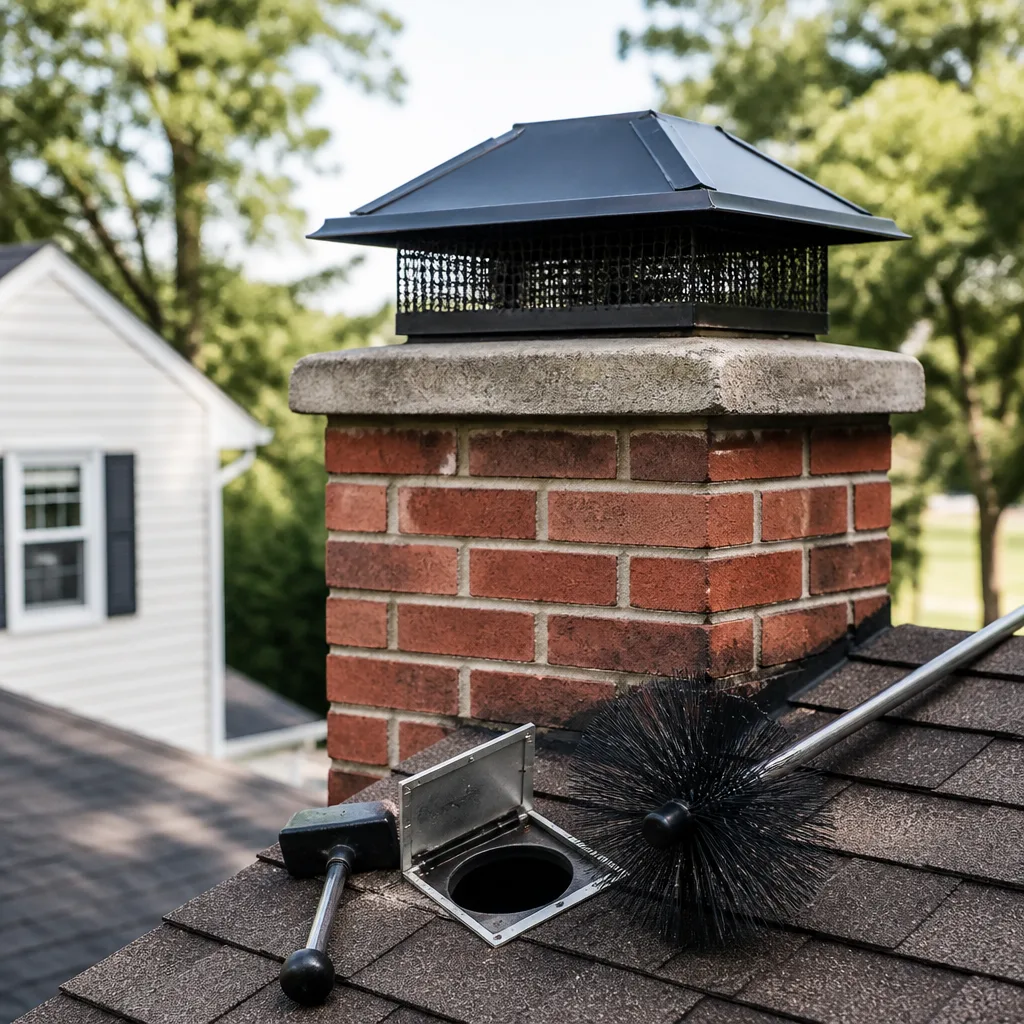
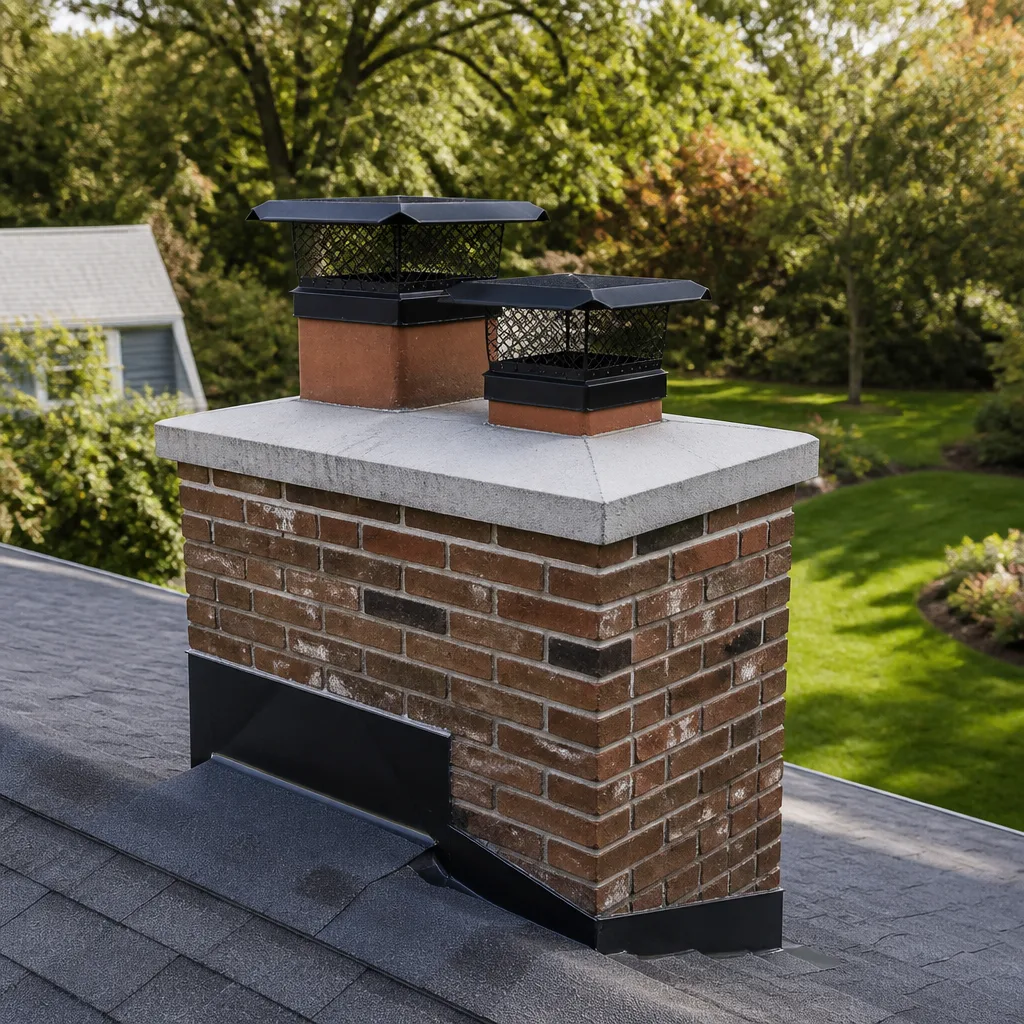
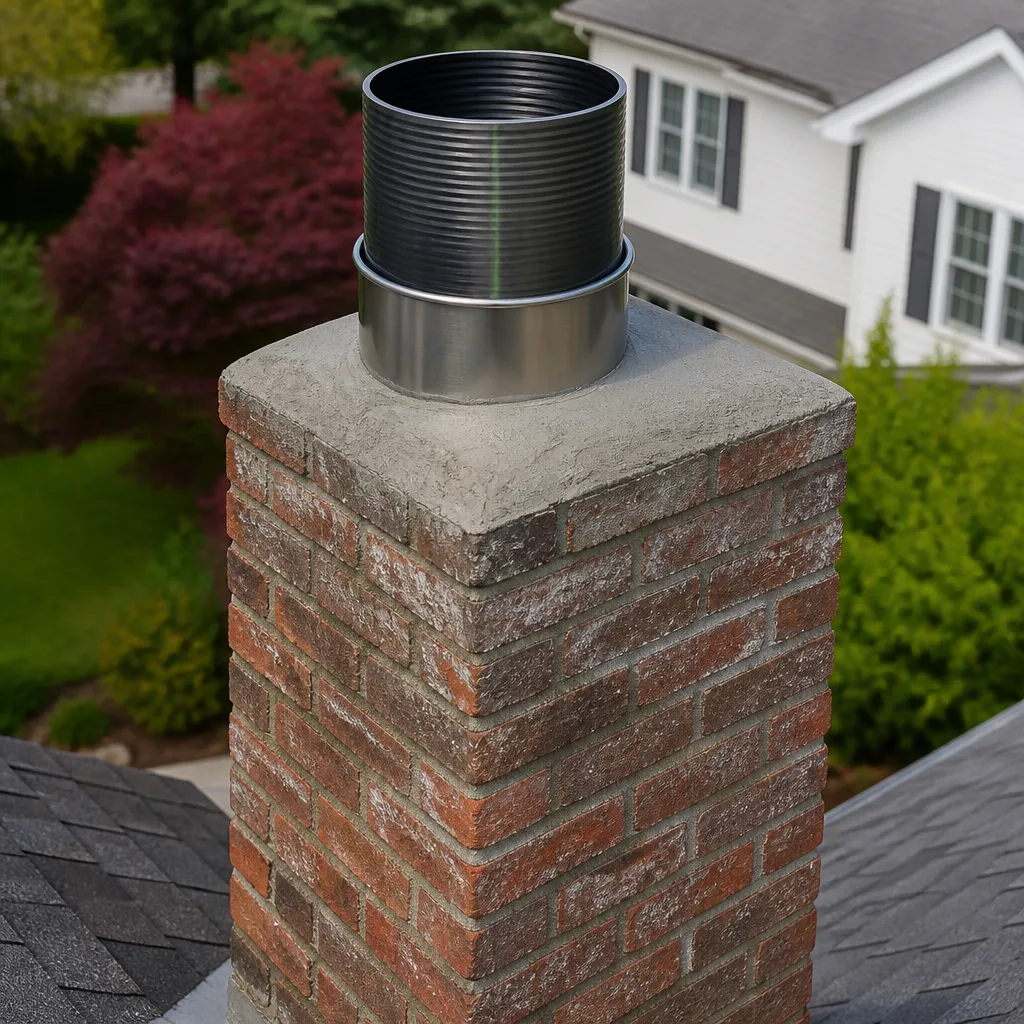
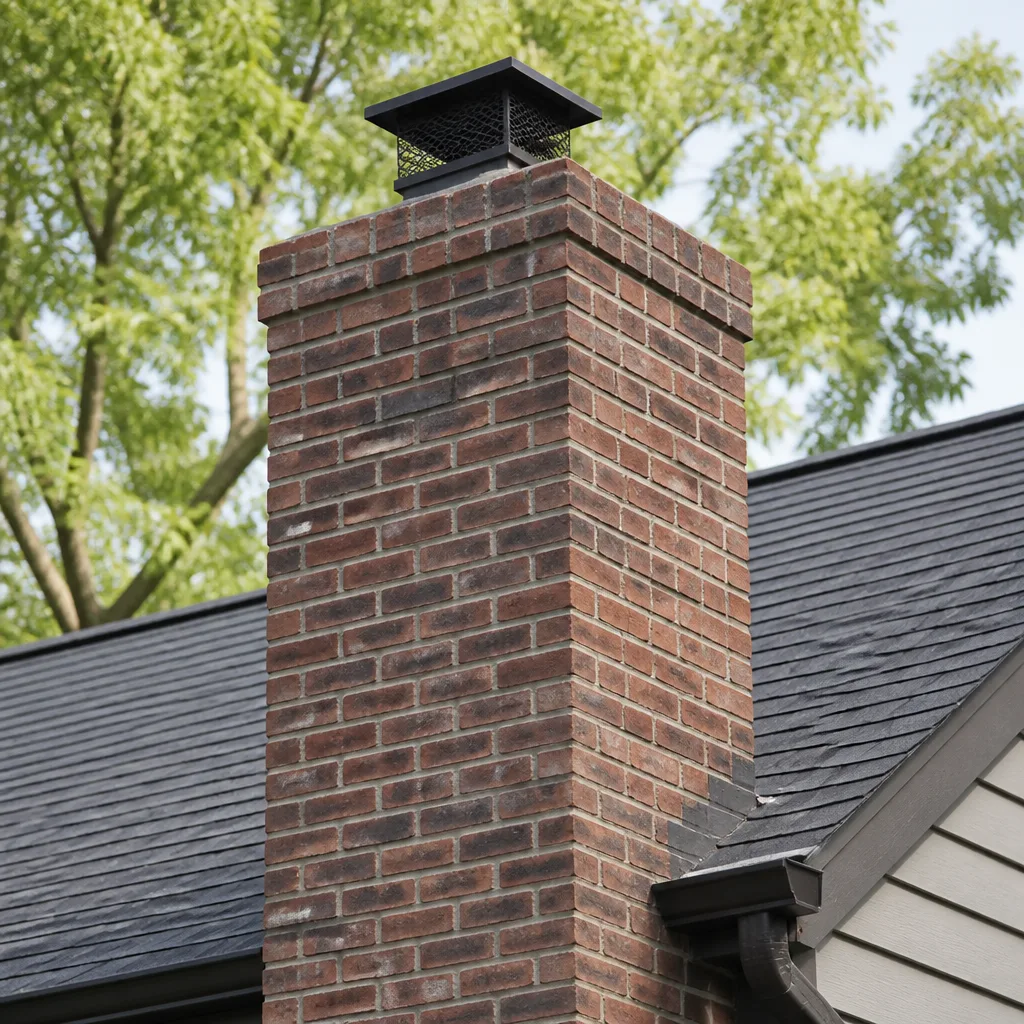
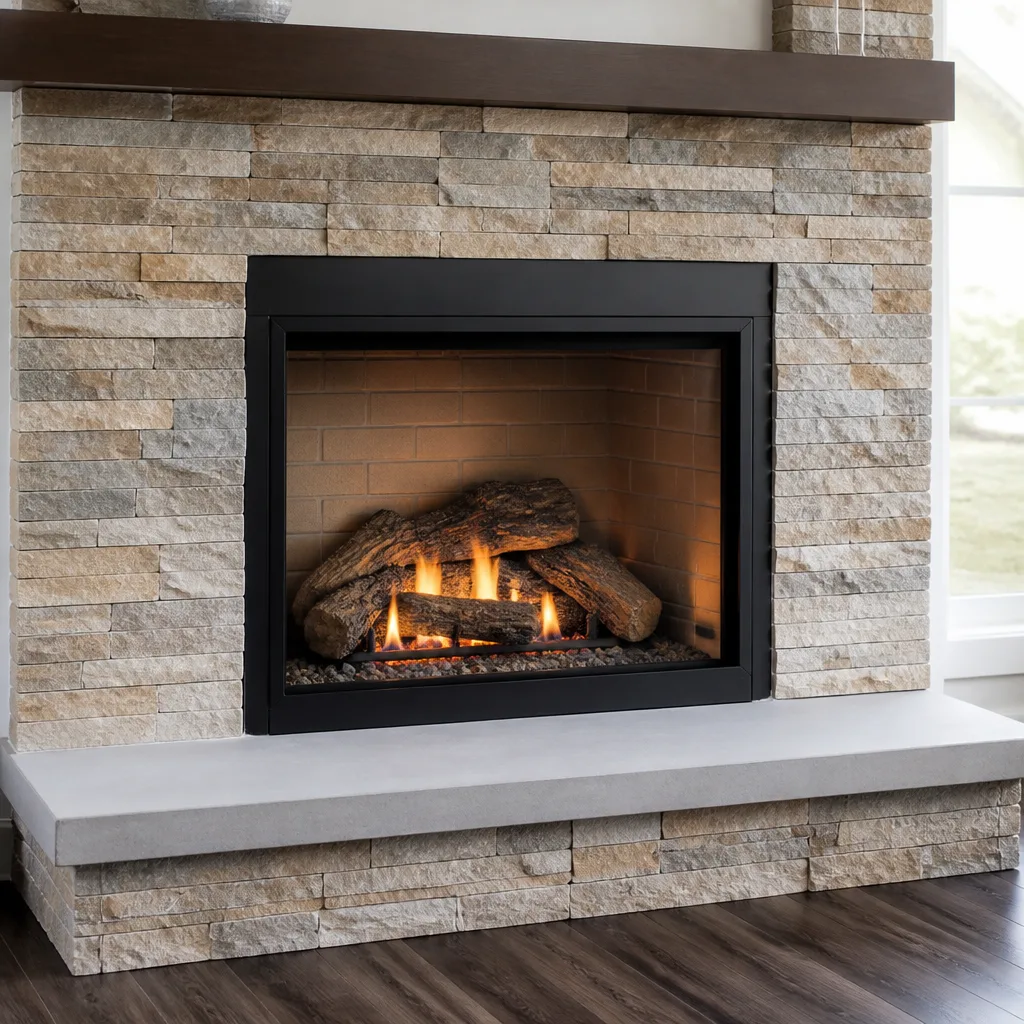
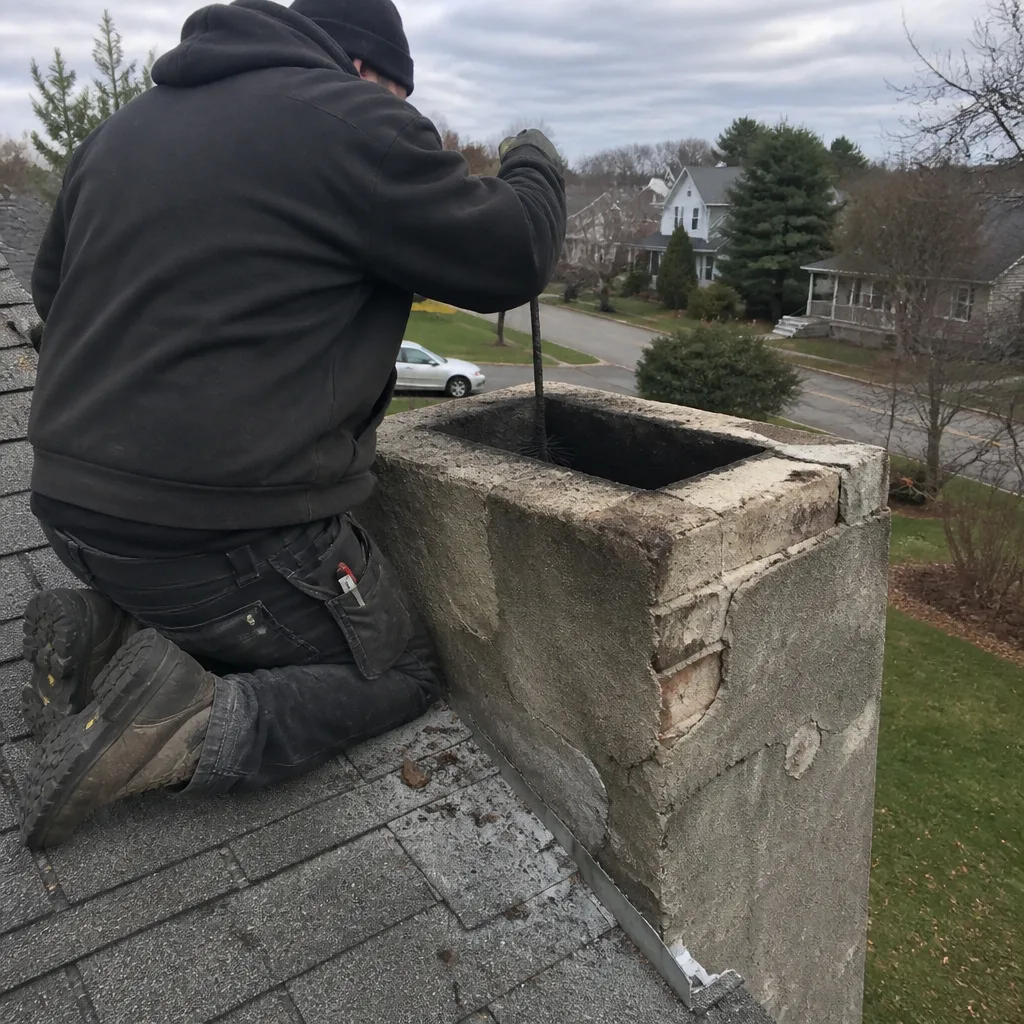 Before
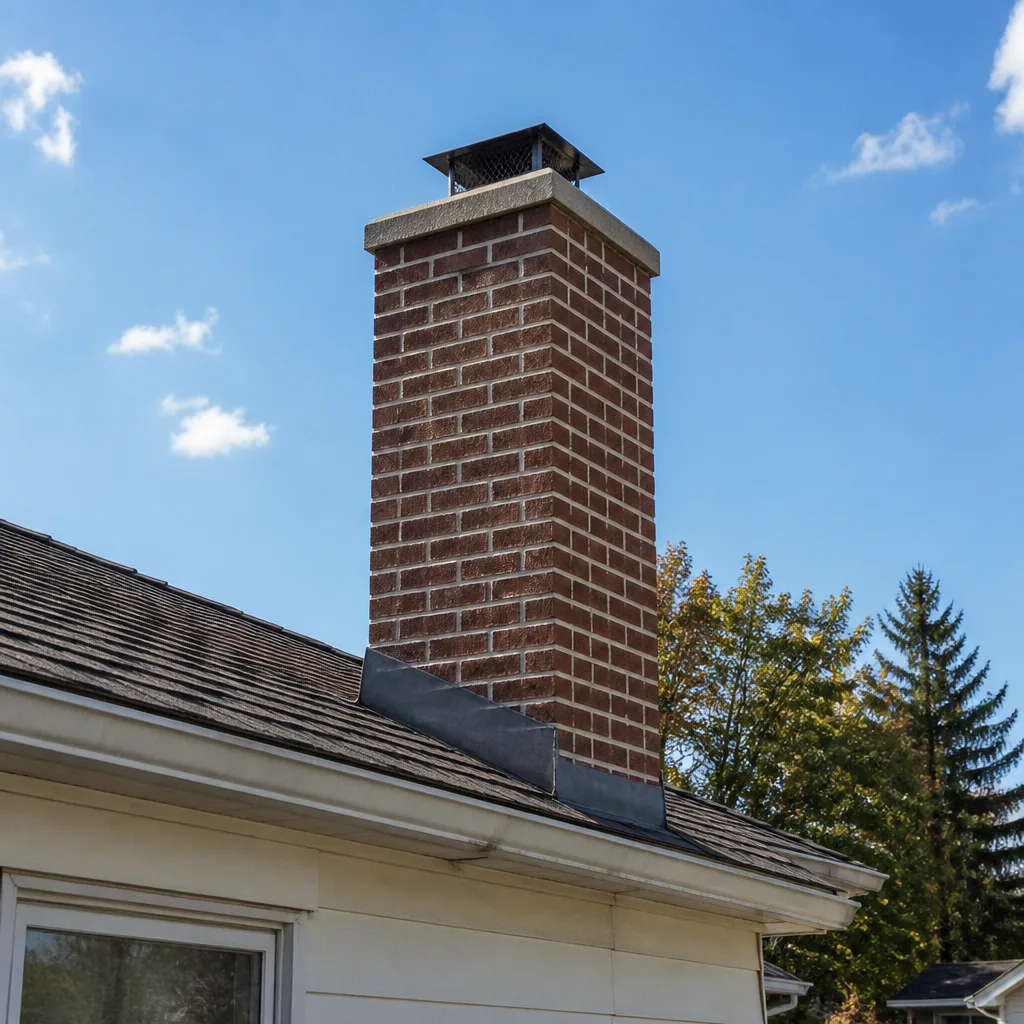 After
After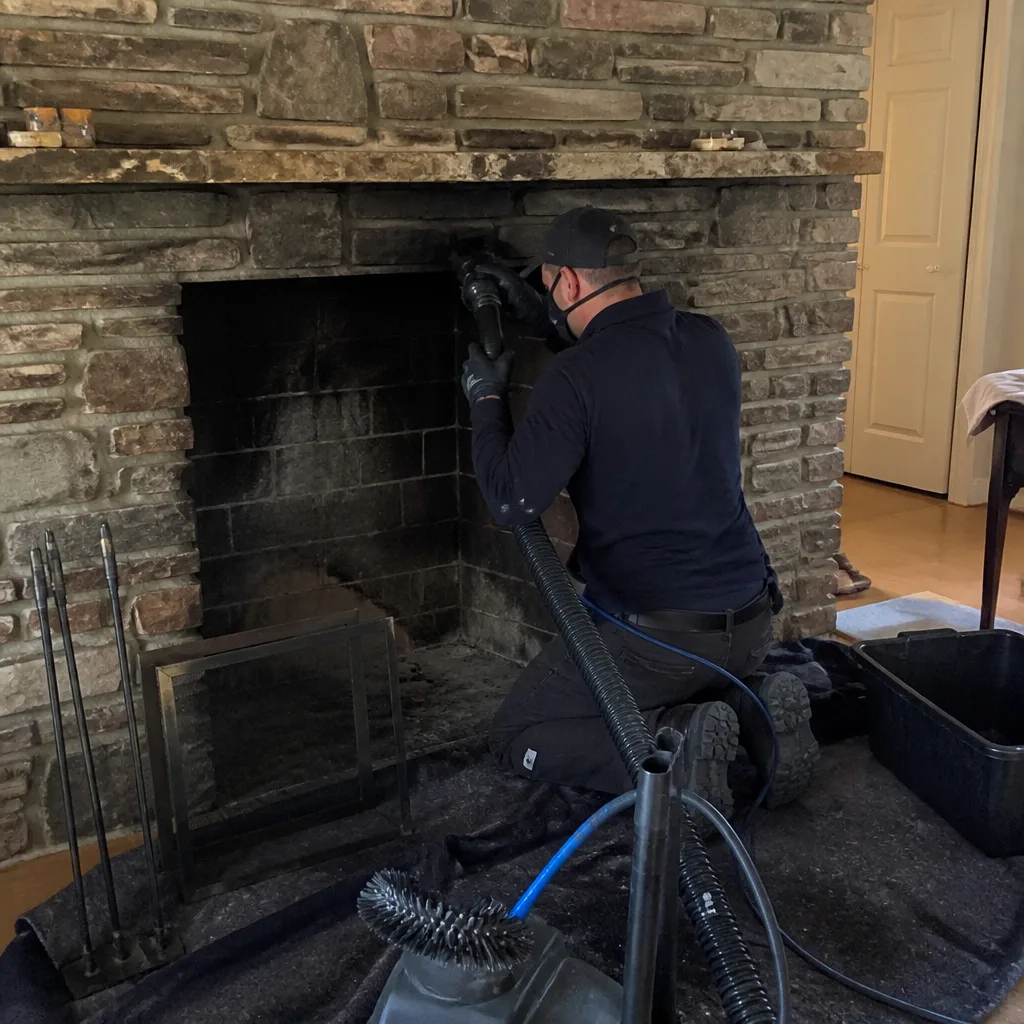 Before
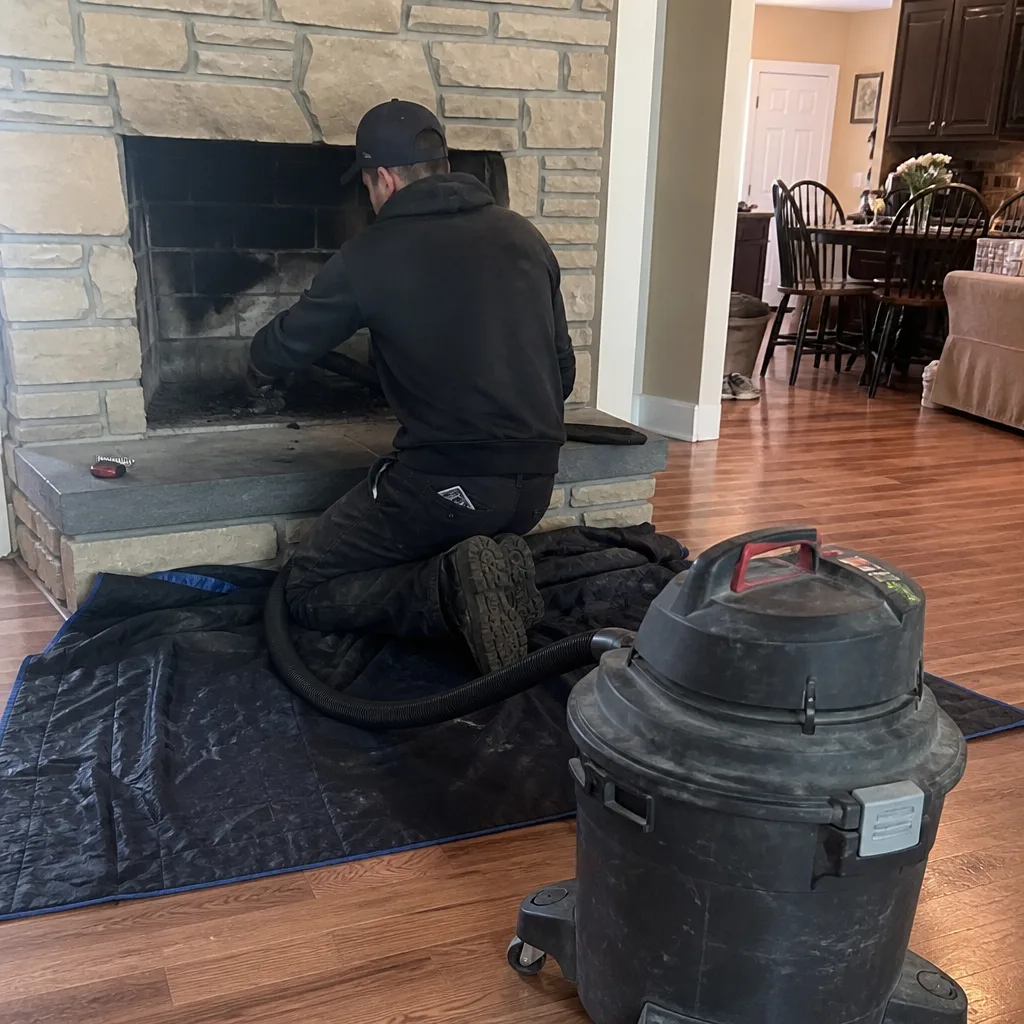 After
After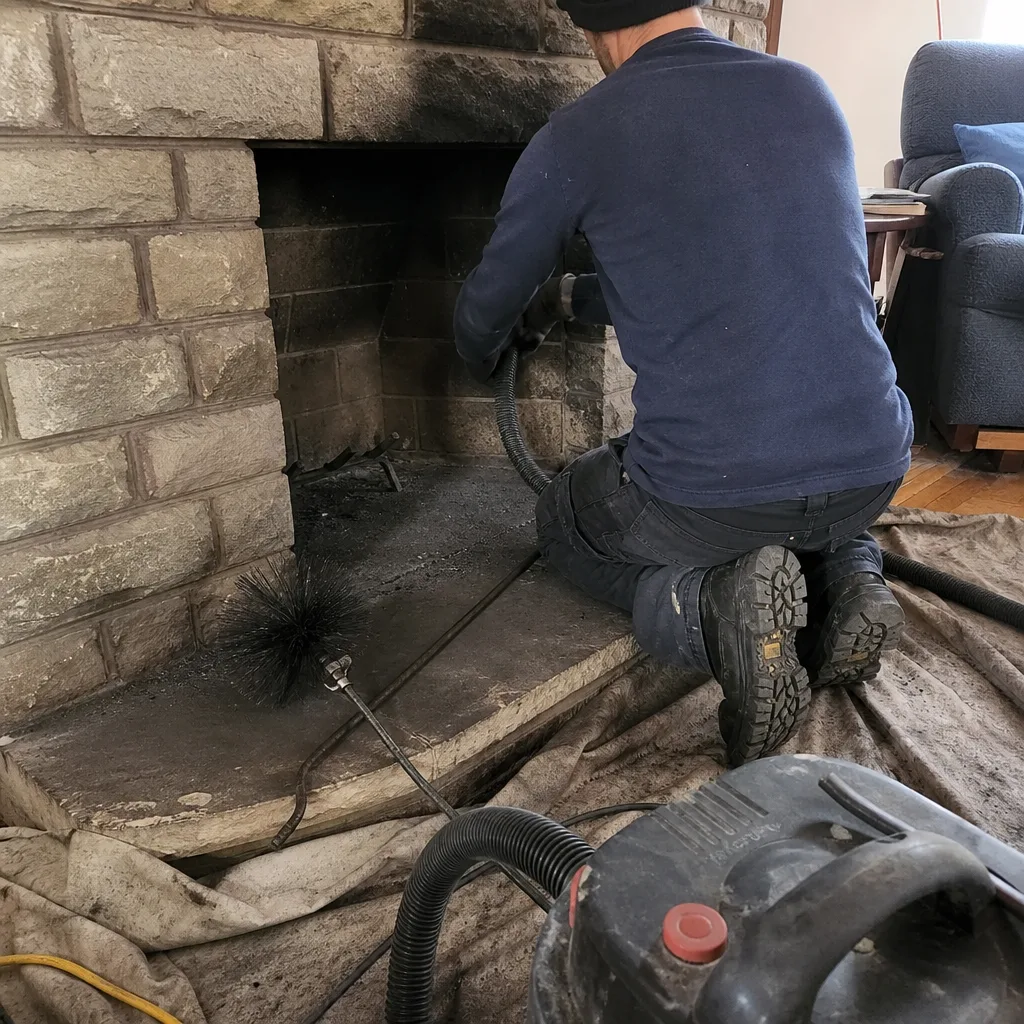 Before
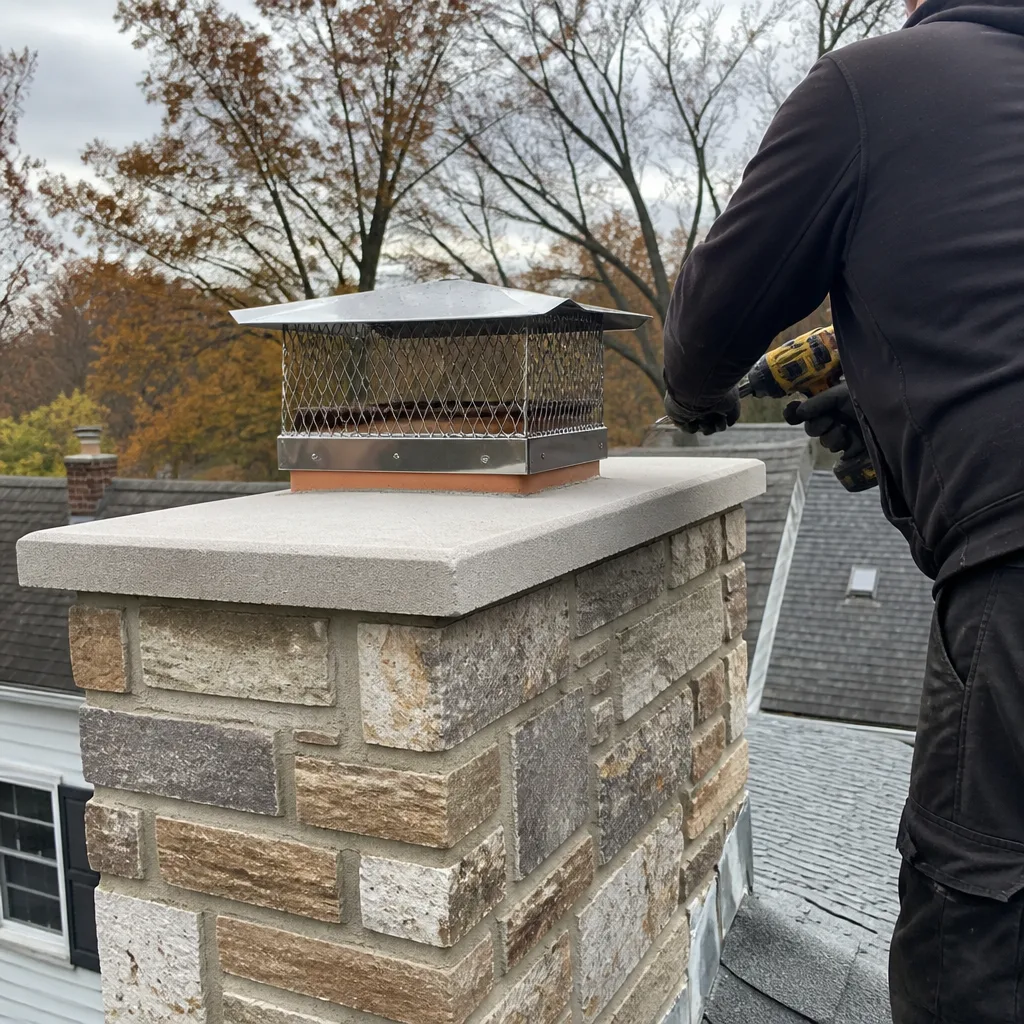 After
AfterChimney Cleaning Permits, Codes & Inspections in PA: What You Need to Know
Here’s something that surprises most Bethlehem homeowners: a routine chimney cleaning requires zero permits under Pennsylvania law. Yet every year we meet customers who paid too much for “permit-included” sweep quotes, and others who learned the hard way that their liner replacement was done without paperwork, leaving them uninsured. The confusion costs real money. In Bethlehem’s older housing stock - especially the stone twins and pre-war colonials in the historic districts - chimney work spans a wide range from simple maintenance to code-triggered alterations. Our Chimney Cleaning Warning Signs: A Bethlehem Homeowner’s Reference Guide can help you spot issues early, and knowing which side of that line your job falls on protects your wallet, your insurance coverage, and your ability to sell your home without surprises.
Quick Answer
The Complete Guide to Chimney Cleaning in Bethlehem explains that chimney cleaning and sweeping alone never require a permit in Pennsylvania. However, liner replacements, new appliance connections, and structural modifications to the chimney system do require permits under the Uniform Construction Code. A Level 2 inspection is mandatory after a chimney fire, before a home sale, or when changing fuel types or appliances, and must comply with NFPA 211 standards referenced throughout PA code.
Table of Contents
- Pennsylvania’s UCC Framework: Maintenance vs. Alteration
- Bethlehem City Requirements vs. PA State Baseline
- NFPA 211: The Standard Your Sweep Should Know by Name
- When a Level 2 Inspection Is Legally Mandatory
- How Permit-Skipped Work Shows Up at Resale
- When Skipping Permits Can Void Your Insurance
- What to Expect During a Permitted Chimney Project
- Hiring Right: Questions to Ask Your Bethlehem Sweep
Pennsylvania’s UCC Framework: Maintenance vs. Alteration
Pennsylvania operates under the Uniform Construction Code, or UCC, which adopts the International Residential Code and International Building Code with state-specific amendments. The UCC draws a bright line between maintenance and alteration. Understanding this distinction saves you from unnecessary fees on one side and legal exposure on the other.
Maintenance work - no permit required:
- Routine chimney sweeping and cleaning of flue passages
- Removal of creosote, debris, and obstructions
- Basic firebox cleaning and damper adjustment
- Top-sealing damper installation (in most jurisdictions)
- Crown sealing with appropriate topical products
Alteration or installation - permit required:
- Chimney liner replacement or new liner installation
- Installation of a new heating appliance (stove, insert, furnace)
- Chimney rebuilds, structural repairs, or height modifications
- Thimble or connector pipe modifications
- Conversion from one fuel type to another
The logic is straightforward. Maintenance preserves the existing system’s safety and function. Alteration changes the system’s design, capacity, or compatibility with connected appliances. When you alter the system, the building code wants eyes on the work to confirm it meets current standards.
We’ve seen Bethlehem homeowners in the West Side historic district assume their full liner replacement was “just part of the cleaning” because one company bundled the quote. It wasn’t. The liner replacement required a permit. The cleaning did not. The company pulled neither. That homeowner discovered the gap when their buyer’s inspector flagged missing permit documentation three years later.
Pennsylvania’s Department of Labor & Industry maintains UCC enforcement, but local municipalities handle permitting. In Bethlehem, the Bureau of Planning and Zoning processes permits for alterations falling under city jurisdiction. For work in surrounding townships, the permitting authority may be the township itself or a third-party UCC agency.
Bethlehem City Requirements vs. PA State Baseline
Bethlehem’s building code generally tracks the state UCC baseline, but local amendments and enforcement practices create differences that matter for chimney work. If you live in Bethlehem proper - the city limits, not the surrounding townships - several local factors affect your project.
Historic district considerations: Bethlehem’s Historic Conservation District, covering much of the original Moravian settlement and surrounding blocks, imposes additional review for exterior alterations visible from the street. A chimney rebuild or crown replacement that changes the silhouette or material may require Historic Conservation Commission approval alongside the standard building permit. This adds time but not complexity if planned properly. We’ve guided many Bethlehem homeowners through this dual-track process, and the key is submitting complete documentation upfront.
Row house and twin specifics: Bethlehem’s dense neighborhoods - particularly south of Broad Street and in the South Side - feature attached housing where chimney systems often serve multiple units or share party walls. The UCC requires fire-rated separation between units, and Bethlehem inspectors verify this carefully. A liner replacement in a twin must maintain proper separation; a shared flue, even historically present, will not pass modern code.
Climate-driven local practice: Bethlehem’s freeze-thaw cycles are harsher than southeastern PA’s milder zones. The city sees more crown deterioration and flue tile spalling from moisture penetration. Local inspectors know this and look closely at water management details - cap overhang, crown pitch, and sealant quality. Using professional-grade materials matters here. We specify Copperfield chimney caps and HeatShield crown repair systems specifically for their performance in Bethlehem’s climate, not because the code names a brand, because the code requires performance these products deliver.
Permit fee structure: Bethlehem’s permit fees scale with project value. A liner replacement permit typically runs modest, but the exact figure depends on the scope documented. The city requires a UCC contractor registration for any firm pulling permits, which provides a basic accountability layer.
For homeowners in Hanover Township, Bethlehem Township, or Fountain Hill - the municipalities bordering the city - permit requirements align with state UCC but may use different third-party inspectors. Always confirm the specific authority before work begins.
NFPA 211: The Standard Your Sweep Should Know by Name
The National Fire Protection Association Standard 211, “Chimneys, Fireplaces, Vents, and Solid Fuel-Burning Appliances,” is referenced throughout Pennsylvania’s UCC and adopted by reference in Bethlehem’s code enforcement. NFPA 211 is not optional guidance. It is the technical backbone of chimney safety law in PA.
Yet many sweeps we encounter in the Lehigh Valley cannot articulate what NFPA 211 requires. That is a problem. If your sweep does not know the standard by name, they cannot know whether their work complies with it.
Key NFPA 211 provisions affecting Pennsylvania homeowners:
- Clearance to combustibles: Minimum distances between chimney components and framing, sheathing, or other combustible materials. Violations here are common in Bethlehem’s older homes where original construction predates modern standards.
- Liner sizing and material: Flue liners must be properly sized for the appliance they serve, with specific requirements for terra cotta, stainless steel, and listed alternative materials. DuraFlex and Gelco liners we install carry the proper listings for their applications.
- Inspection frequency and type: Annual inspection minimum for all chimneys, with Level 1, 2, or 3 protocols triggered by specific conditions.
- Repair and reconstruction standards: Methods and materials for restoring chimney integrity after damage or deterioration.
- Appliance connection requirements: Proper connectors, supports, and termination for stoves, inserts, and furnaces.
Pennsylvania’s UCC does not reproduce NFPA 211 in full. It adopts it by reference, which means the standard has legal force without being reprinted in state regulations. This creates a knowledge gap. Homeowners assume “code-compliant” means “meets the building code book,” but for chimneys, compliance often means meeting a referenced standard the homeowner has never seen.
We document every inspection against NFPA 211 criteria. Our camera inspection reports cite the specific section relevant to any finding. When we recommend a liner replacement, we explain the NFPA 211 sizing calculation. This is not paperwork for paperwork’s sake. It is how we ensure our Bethlehem customers can defend their safety decisions to an insurer, a buyer, or a building inspector.
When a Level 2 Inspection Is Legally Mandatory
NFPA 211 defines three inspection levels. Level 1 is visual, accessible-surface examination - appropriate for annual maintenance when no changes have occurred. For Chimney Cleaning & Sweep Maintenance Checklist for Bethlehem Homeowners, this is your baseline. Level 2 adds internal camera inspection of flue surfaces and accessible portions of the chimney structure. Level 3 involves demolition of building components to access concealed areas.
Level 2 is not automatically required every year. But specific events make it mandatory, not optional, under Pennsylvania’s adopted code. Knowing these triggers protects you from sweeps who sell unnecessary camera work and from those who skip it when legally required.
Level 2 inspection is mandatory when:
- You are selling or transferring the property. Pennsylvania real estate disclosure law does not explicitly mandate chimney inspection, but standard purchase agreements and mortgage underwriting increasingly require Level 2 documentation. In Bethlehem’s competitive market, buyers’ inspectors routinely flag missing chimney documentation. A Level 2 inspection before listing prevents last-minute negotiation surprises.
- You have experienced a chimney fire. Even a minor chimney fire can crack flue tiles, damage liner joints, or compromise mortar. NFPA 211 requires Level 2 inspection after any fire event before the chimney returns to service. Insurance claims for subsequent damage may be denied without this documentation.
- You are changing appliances or fuel types. Installing a new wood stove, converting from oil to gas, or adding a fireplace insert alters the system’s operating parameters. Level 2 inspection confirms the chimney is compatible with the new appliance’s venting requirements.
- You are replacing or adding a flue liner. The liner must be inspected in place after installation, which requires camera verification.
- Significant weather or seismic event has occurred. Bethlehem’s occasional severe windstorms and freeze-thaw cycles can damage chimney structures in ways not visible from below.
- The building or chimney has suffered structural damage. Foundation settlement, vehicle impact, or nearby construction vibration can shift chimney components.
Our Level 2 inspections follow a documented protocol: video recording of the entire flue length, still photography of any anomalies, measurement of liner dimensions and clearances, and a written verdict in plain English. The homeowner receives the photos and video. Nothing is recommended without evidence you can see for yourself.
In Bethlehem’s South Side, we’ve found deteriorated terra cotta flues in homes where owners assumed annual Level 1 visual checks were sufficient. The camera revealed vertical cracks hidden above the smoke shelf - cracks that would have allowed combustion gases into wall cavities. The Level 2 requirement exists because these defects are not discoverable any other way.
How Permit-Skipped Work Shows Up at Resale
The most expensive permit omission is the one you discover when you are already committed to selling. Bethlehem’s real estate market moves quickly, and a permit gap can derail a closing or force a price reduction that far exceeds what proper permitting would have cost.
Here is how permit-skipped chimney work surfaces during resale:
Buyer’s inspection triggers documentation request. Home inspectors in the Lehigh Valley have grown more sophisticated about chimney systems. A clean flue and new liner are noted, but the inspector asks: “Was this permitted?” Without a permit history, the buyer’s agent requests documentation from the seller.
Municipal records search reveals no permit. Bethlehem maintains permit records accessible to title companies and diligent buyers. A liner replacement in 2021 with no corresponding permit application raises a red flag. The buyer assumes one of three things: the work was done by an unlicensed contractor, the work does not meet code, or the seller is concealing something.
Insurance verification fails. Buyers’ insurers increasingly verify that heating system modifications were properly permitted. An unpermitted liner replacement can trigger a coverage exclusion for chimney-related claims.
Remediation costs multiply. The seller now faces unappealing choices: obtain a retroactive permit (often requiring partial disassembly for inspector access), negotiate a credit to the buyer, or reduce sale price. We’ve seen Bethlehem homeowners absorb costs ten times the original permit fee.
The specific scenario we encounter most: a liner replacement bundled with “chimney cleaning” by a low-quote operator who never mentioned permits. The work was functionally adequate - the liner was properly sized, the installation sound - but without inspection and documentation, it does not exist in the code’s eyes. In one case on Bethlehem’s East Side, a homeowner paid to have the liner removed and reinstalled under permit so the sale could proceed. The original installer was long gone, unreachable, uninsured.
Prevention is simple. Before any chimney alteration, confirm permit requirements in writing. After completion, verify the permit was closed with a passed inspection. Keep documentation with your home records. These steps take minutes and save thousands.
When Skipping Permits Can Void Your Insurance
Homeowner’s insurance policies contain standard language excluding coverage for damage arising from work performed without required permits. This exclusion is not prominently advertised, but it is enforceable.
The mechanism works as follows. Your policy covers sudden, accidental damage. It does not cover damage resulting from faulty workmanship, code violations, or unpermitted alterations - depending on specific policy language. When a chimney fire occurs in a system with an unpermitted liner replacement, the insurer investigates permit history. No permit means no inspection. No inspection means no third-party verification that the work met code. The insurer denies the claim, and the homeowner bears full repair and liability costs.
We are not alarmists. The probability of chimney fire is low for properly maintained systems. But the consequence is severe - structural fire, injury, death. Insurance exists for low-probability, high-consequence events. Having coverage voided for a technicality defeats the purpose.
Specific Bethlehem context: homes in the city’s older neighborhoods often carry replacement-cost policies with substantial coverage. These policies also tend to have more stringent underwriting requirements. A $400,000 policy with a code-compliance rider will scrutinize permit history more closely than a basic policy on new construction.
Carbon monoxide exposure presents another insurance exposure. An unpermitted appliance connection with improper venting can introduce CO into living spaces. Liability claims from occupants or guests may be excluded if the installation lacked proper permits and inspections.
The straightforward protection: permit all alteration work, verify inspector sign-off, and retain documentation. Our chimney repair in Bethlehem includes permit handling as standard practice for all alteration projects. We do not consider this optional, and we do not charge separately for permit coordination. It is part of doing the job right.
What to Expect During a Permitted Chimney Project
Understanding the permit process removes uncertainty and lets you verify that your contractor is handling matters properly. Here is the typical sequence for a permitted chimney alteration in Bethlehem:
- Pre-application documentation. Your contractor prepares scope drawings, manufacturer specifications for materials (liner, cap, connector), and a completed permit application. For historic district work, additional documentation describes exterior appearance.
- Permit submission and fee payment. The contractor or homeowner submits to Bethlehem Bureau of Planning and Zoning or the relevant township authority. Fees vary by project scope.
- Plan review. Building code officials review for UCC compliance, including NFPA 211 references. Timeline varies; simple liner replacements typically move quickly, complex rebuilds may require back-and-forth.
- Permit issuance. Work may commence once the permit is posted. The permit card must remain visible at the work site.
- Rough inspection. For liner replacements, an inspection may occur before final closure to verify proper sizing, support, and connections. Rebuilds require progress inspections at specified stages.
- Final inspection and sign-off. The inspector verifies completed work against approved plans. Passed inspection generates a certificate of completion or compliance.
- Documentation to homeowner. You receive the permit closure documentation for your records. This is the paper that protects your insurance coverage and resale value.
Total timeline from application to final inspection typically ranges from one to three weeks for standard liner replacements, longer for complex projects. Seasonal demand affects scheduling; autumn permit volume peaks as homeowners prepare for heating season.
We coordinate this entire sequence for our Bethlehem customers. Our technicians arrive with permits already posted, work proceeds without homeowner paperwork burden, and we deliver final documentation before final invoice. Most jobs complete in a single visit, but permitted work sometimes requires a return for inspection scheduling. We build this into our planning so you are not surprised.
Hiring Right: Questions to Ask Your Bethlehem Sweep
The permit and code landscape creates opportunity for both honest confusion and deliberate obfuscation. Protect yourself with direct questions before hiring any chimney professional in the Lehigh Valley.
Essential questions:
- “Will this specific work require a building permit, and will you obtain it?” - A clear yes/no with explanation. Vague answers suggest the sweep does not know or does not intend to comply.
- “What NFPA 211 edition do you inspect to?” - Current edition is 2019, with 2024 published. Any sweep doing code-relevant work should know this immediately.
- “Can you show me photos from the camera inspection and explain what I’m seeing?” - Refusal or “the camera was down that day” is unacceptable. Our fireplace services in Bethlehem include documented camera inspection as standard.
- “Are you registered as a UCC contractor in Pennsylvania?” - Required for permit pulling. Unregistered contractors cannot legally obtain permits.
- “What happens if inspection fails?” - A professional has a clear protocol for correction at no additional cost. Our 90-Day Done Right Promise covers this explicitly: if it’s not right, we make it right, in writing, no arguing.
- “Will you provide manufacturer documentation for liner and cap materials?” - Professional-grade brands like DuraFlex and HeatShield carry proper listings. Off-brand or unlisted materials may fail inspection.
Red flags: quotes significantly below market without permit mention, pressure to “save money by skipping the permit,” refusal to put scope in writing, or claims that “cleaning permits cover everything.” No legitimate sweep in Bethlehem operates this way.
We’ve been answering these questions for Bethlehem homeowners since 1984, and our more guides & resources cover the topics we discuss most often. Our phones are staffed by a live person 24 hours a day, 7 days a week - not because chimney emergencies always happen at night, but because you should reach a human when you have a question, period.
Common Mistakes to Avoid
- Assuming the annual sweep includes permit handling for everything. Cleaning never needs a permit. Bundled liner replacements do. Ask specifically which line items require permits.
- Accepting “the previous owner got the permit” without documentation. Permits attach to the property, but you need the closure certificate. Verbal assurances do not protect your insurance.
- Confusing township and city requirements. Bethlehem city, Bethlehem Township, and Hanover Township have different permitting authorities. Confirm your specific jurisdiction before work starts.
- Skipping Level 2 inspection before installing a new stove or insert. The appliance store may offer installation, but NFPA 211 requires chimney evaluation first. We’ve seen Bethlehem homeowners purchase beautiful stoves they cannot safely vent.
- Hiring based on lowest quote without permit verification. The low quote often excludes permit costs the competitor includes, or assumes permit skipping. Compare total compliant cost, not headline price.
- Ignoring historic district requirements for visible chimney work. Bethlehem’s Historic Conservation Commission review adds time but protects architectural integrity. Starting work without approval can trigger stop-work orders.
- Failing to retain final documentation. Keep permit closures, inspection certificates, and contractor invoices with your home records. Digital copies suffice; originals are better.
When to Call a Professional
Call a qualified chimney professional when any alteration to your system is contemplated - liner replacement, appliance change, structural repair, or fuel conversion. Call when you are preparing to sell your Bethlehem home and need documentation of chimney condition. Call after any chimney fire, however minor it seemed, before using the system again. Call when your annual inspection reveals conditions beyond routine cleaning scope.
Hearthstone Chimney Co. offers free estimates in Bethlehem - call (610) 595-5754. We’ll assess your specific situation, identify what requires permits and what does not, and document everything with photos you can see and a plain-English verdict. No surprises on the bill. The number on the estimate is the number on the invoice. And our 90-Day Done Right Promise means if it’s not right, we make it right, in writing, no arguing.
Frequently Asked Questions
No. Routine chimney sweeping and cleaning are classified as maintenance under Pennsylvania’s Uniform Construction Code and never require a permit. Only alterations - liner replacements, new appliance installations, structural modifications, and fuel type conversions - trigger permit requirements.
A standard chimney cleaning in Bethlehem typically ranges from $150 to $300 depending on accessibility, creosote buildup level, and whether a basic Level 1 inspection or more extensive evaluation is needed. Our $89 Seasonal Tune-Up offers scheduled maintenance at a reduced rate during designated periods. Call (610) 595-5754 for an exact quote - estimates are free.
NFPA 211 is the National Fire Protection Association standard for chimneys, fireplaces, vents, and solid fuel-burning appliances. Pennsylvania’s building code adopts it by reference, giving it legal force. It governs clearance requirements, liner specifications, inspection protocols, and repair standards. Any sweep performing code-relevant work should know NFPA 211 by edition and be able to cite specific sections relevant to your chimney.
Not always. A liner is necessary when the existing flue is damaged, improperly sized for the appliance, missing entirely, or made of material incompatible with current fuel type. We recommend nothing without camera evidence you can see for yourself. Some conditions can be monitored; others require immediate action. In Bethlehem’s older homes with original terra cotta flues, deterioration from decades of freeze-thaw cycling is common, but each chimney must be evaluated individually.
NFPA 211 recommends annual inspection for all chimneys, with cleaning frequency determined by use and fuel type. Wood-burning systems typically need annual sweeping; gas systems may extend longer depending on inspection findings. Bethlehem’s hardwood-burning households - common in the city’s older neighborhoods with functioning fireplaces - often produce significant creosote and benefit from annual maintenance before each burning season.
Skipped maintenance allows creosote accumulation, which increases chimney fire risk. It permits minor deterioration - cracked flue tiles, crown gaps, deteriorated mortar - to progress to major structural failure. In Bethlehem’s climate, water infiltration through neglected crowns destroys chimneys from the top down. Insurance claims for damage from neglected maintenance may be reduced or denied. The cost of prevention is always lower than the cost of remediation. Call (610) 595-5754 to schedule before the burning season begins.
The Bottom Line
Chimney cleaning requires no permits in Pennsylvania, but the repairs commonly bundled with cleaning often do. Understanding the maintenance-versus-alteration distinction protects your insurance coverage, your resale value, and your family’s safety. Bethlehem’s specific conditions - historic districts, harsh freeze-thaw cycles, and dense attached housing - create local wrinkles that generic advice misses. Demand NFPA 211 knowledge from any sweep you hire. Insist on camera documentation for any recommendation. Verify permits were obtained and closed for all alteration work. And keep your documentation where you can find it when you need it, whether that’s next year or when you sell.
Done right - and we stand behind it.
Written by Russell Haines, Owner at Hearthstone Chimney Co., serving Bethlehem since 2014.