
Last updated September 10, 2026
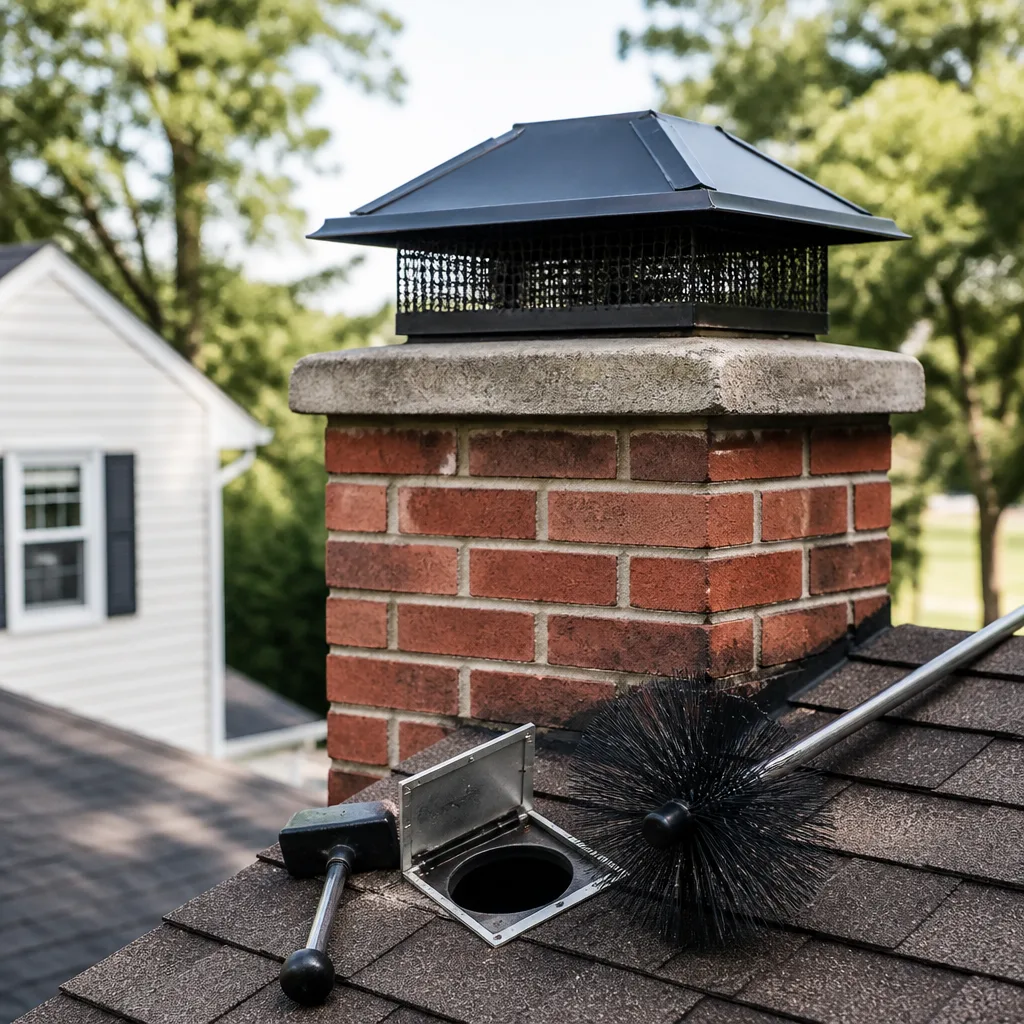
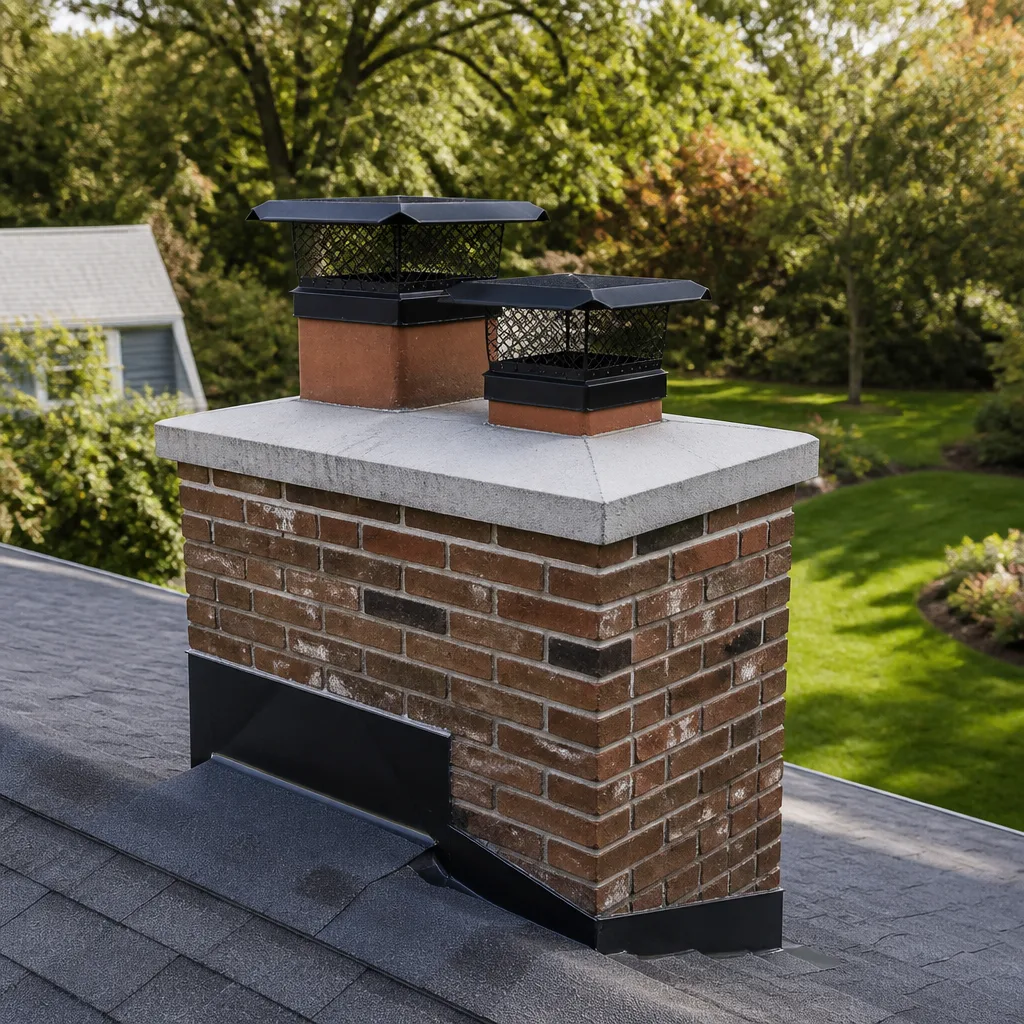
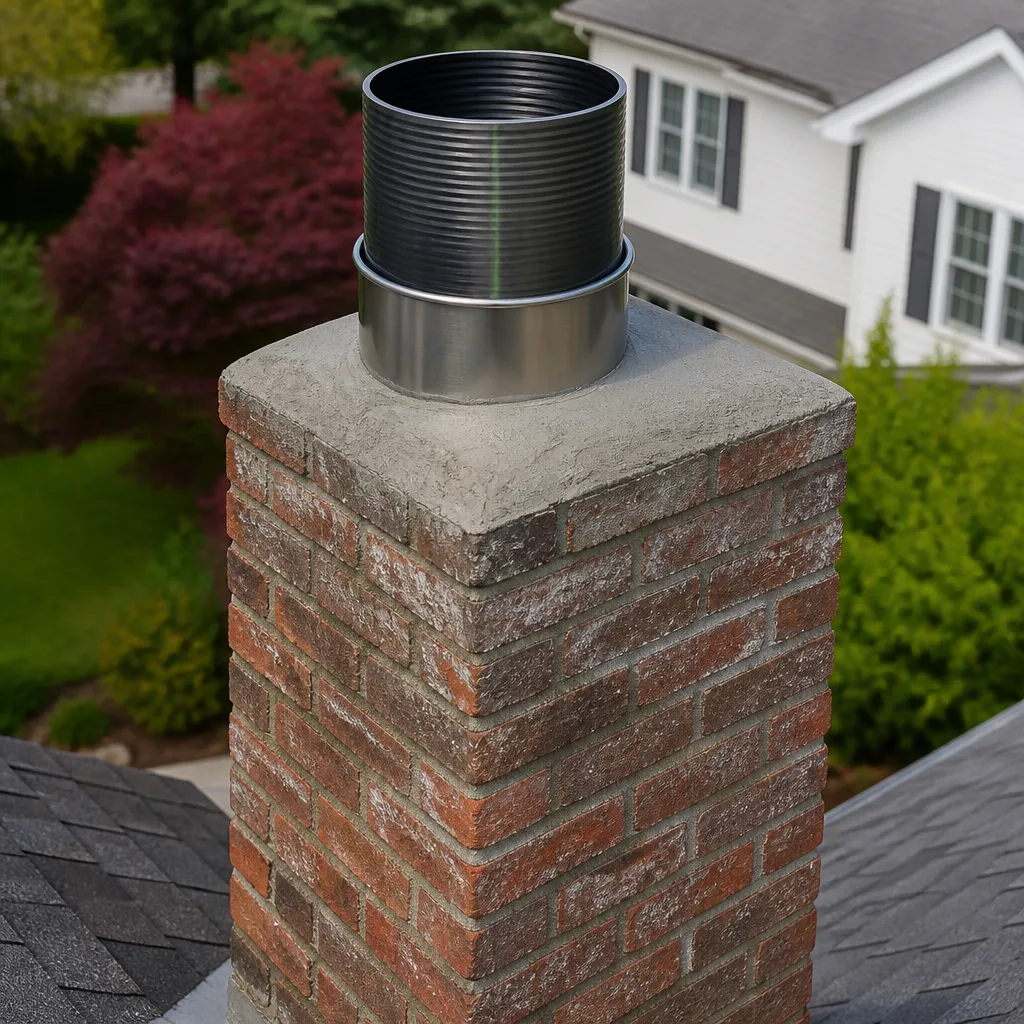
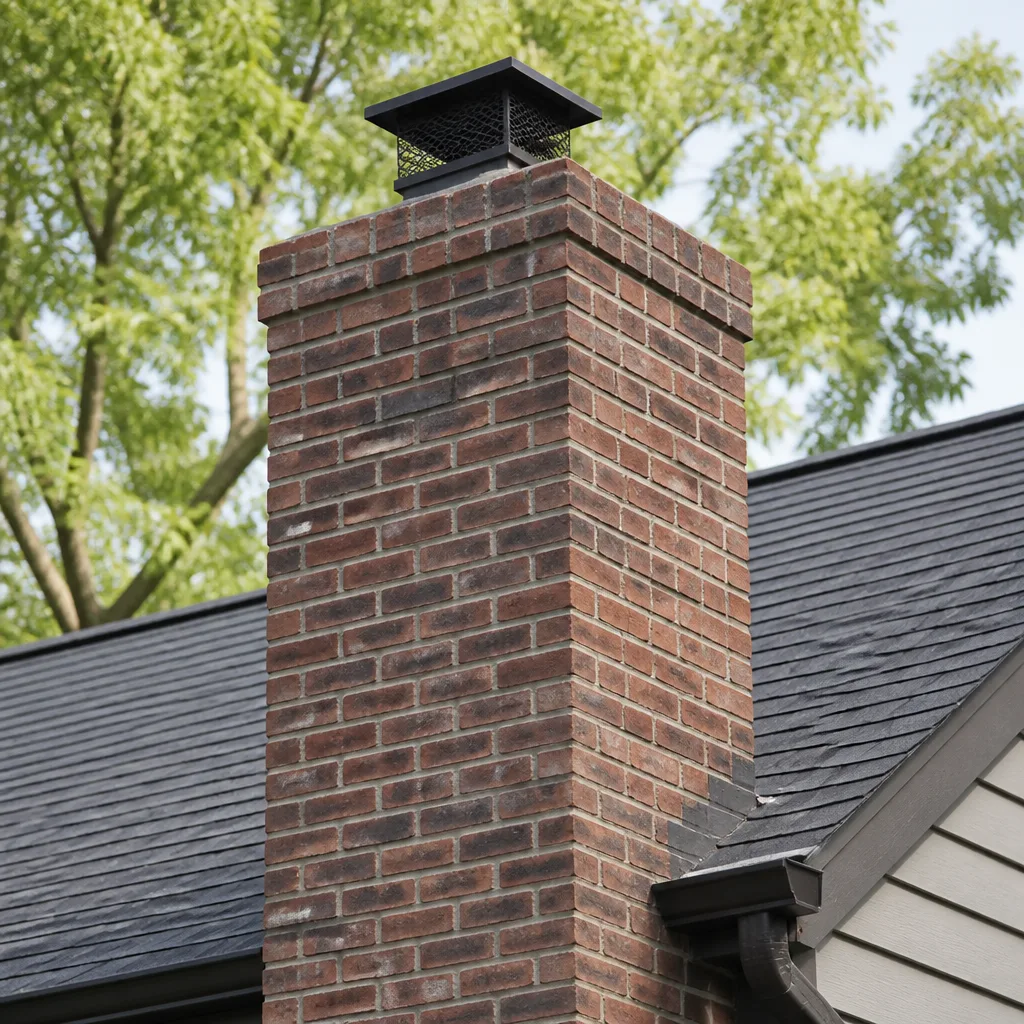
Level 1 sweep and inspection to the NFPA 211 annual standard - flue, crown, cap, and flashing checked and photographed
Chimney sweep logs do not sweep chimneys. They loosen some creosote - which then falls where a brush and vacuum still have to collect it.
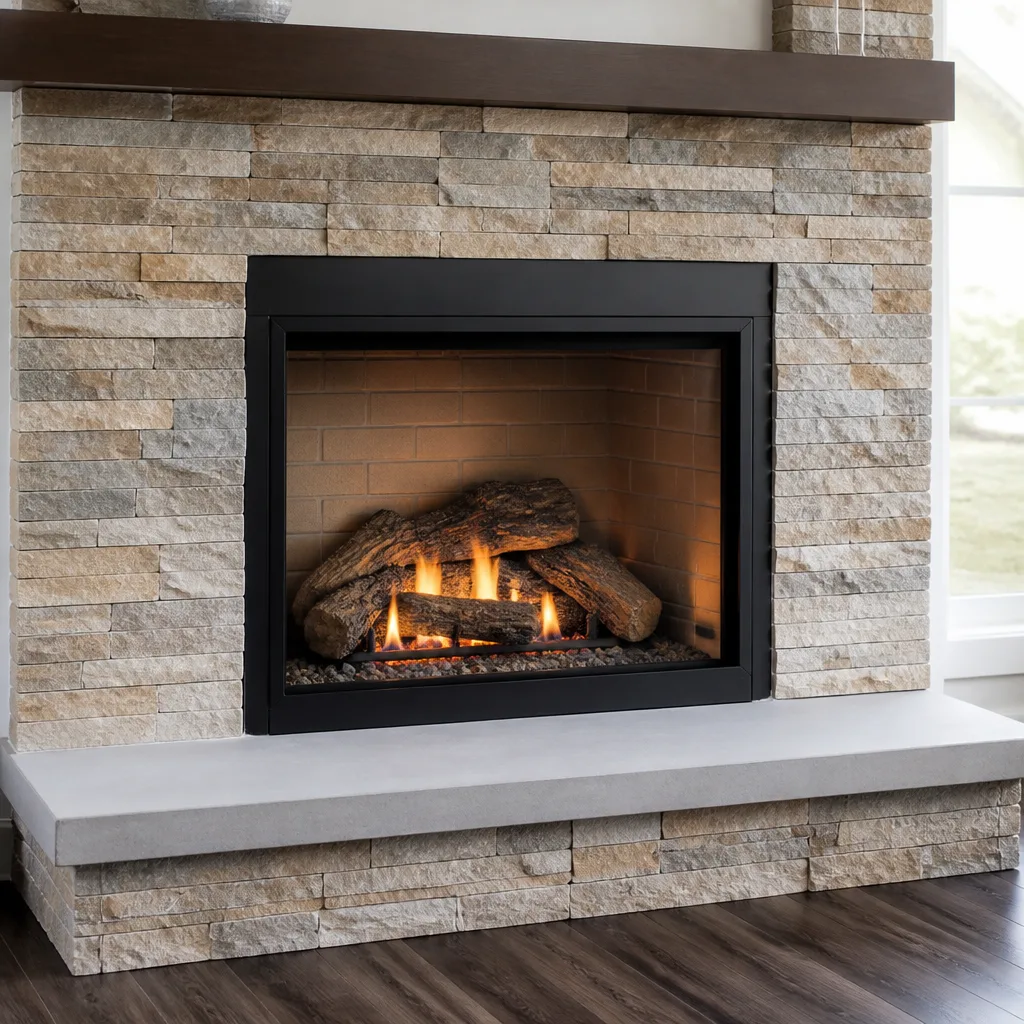
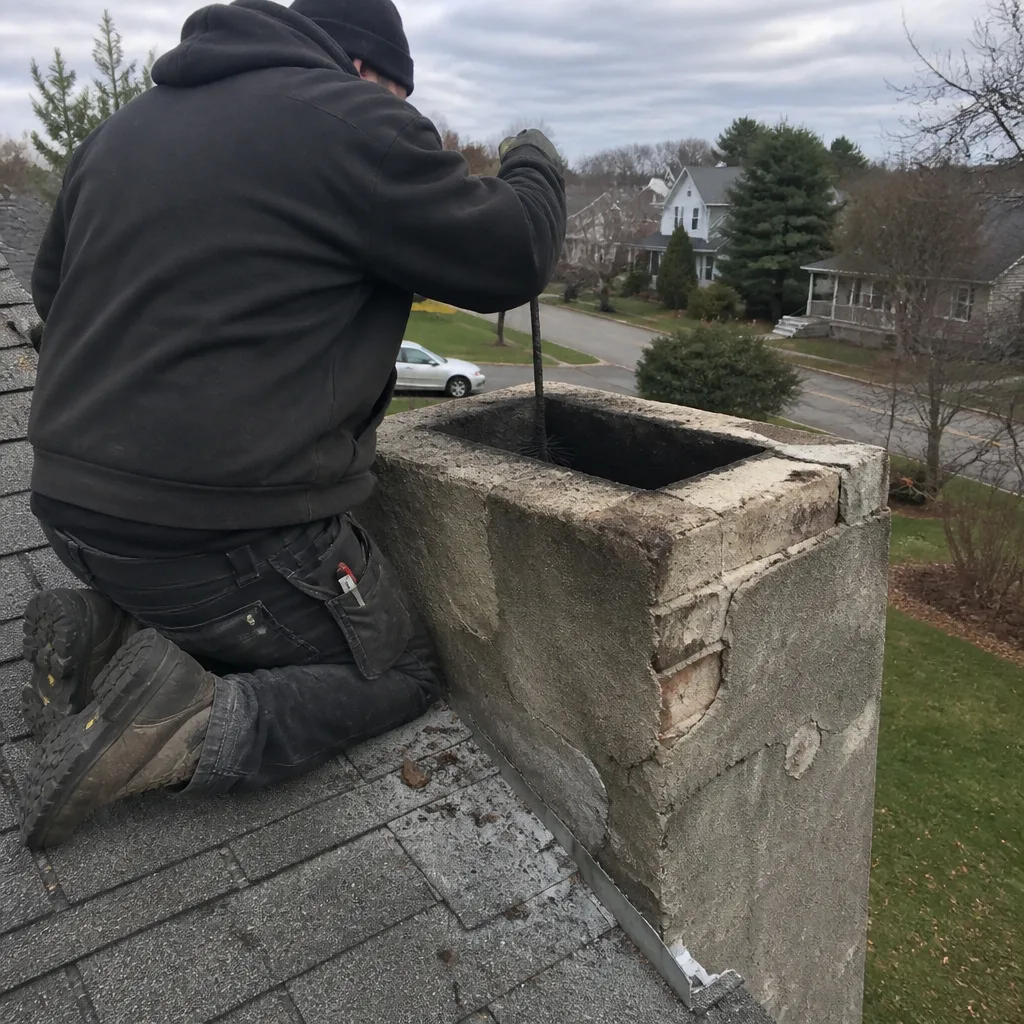 Before
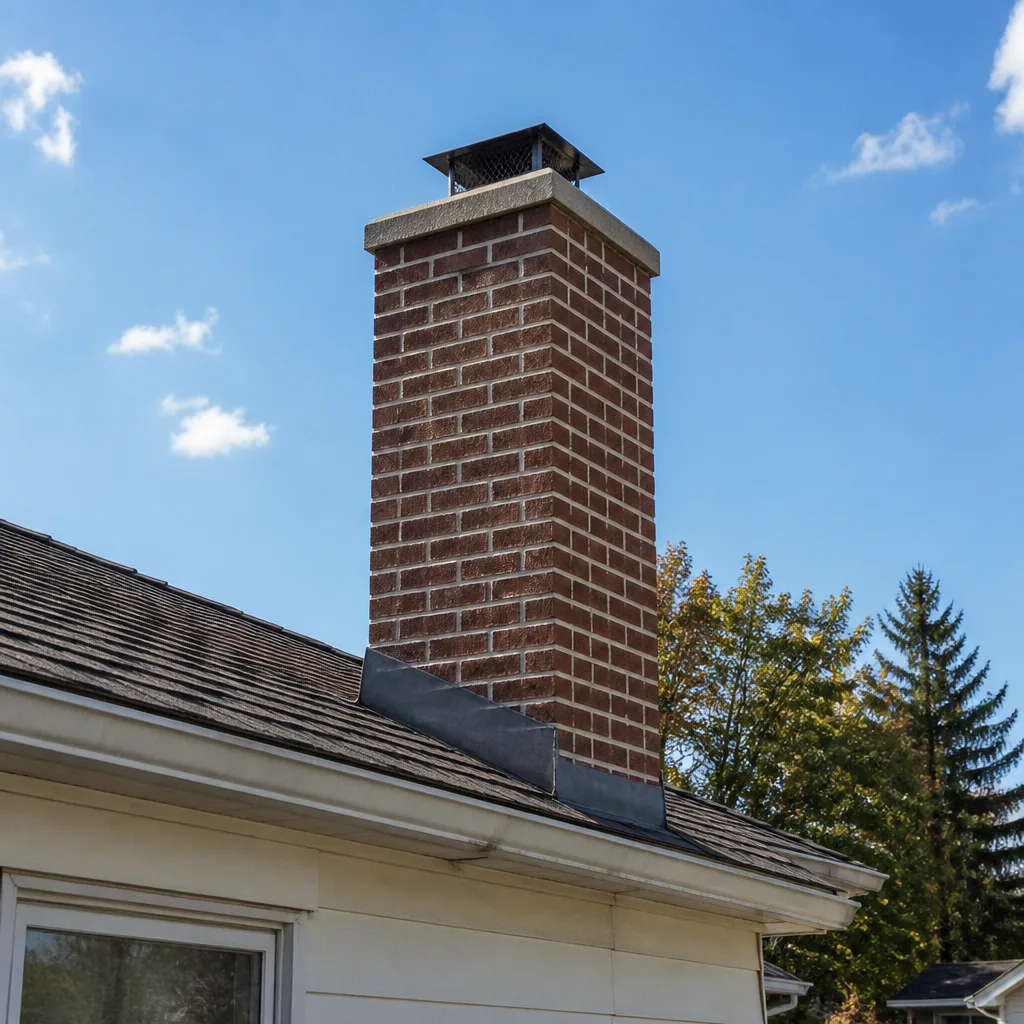 After
After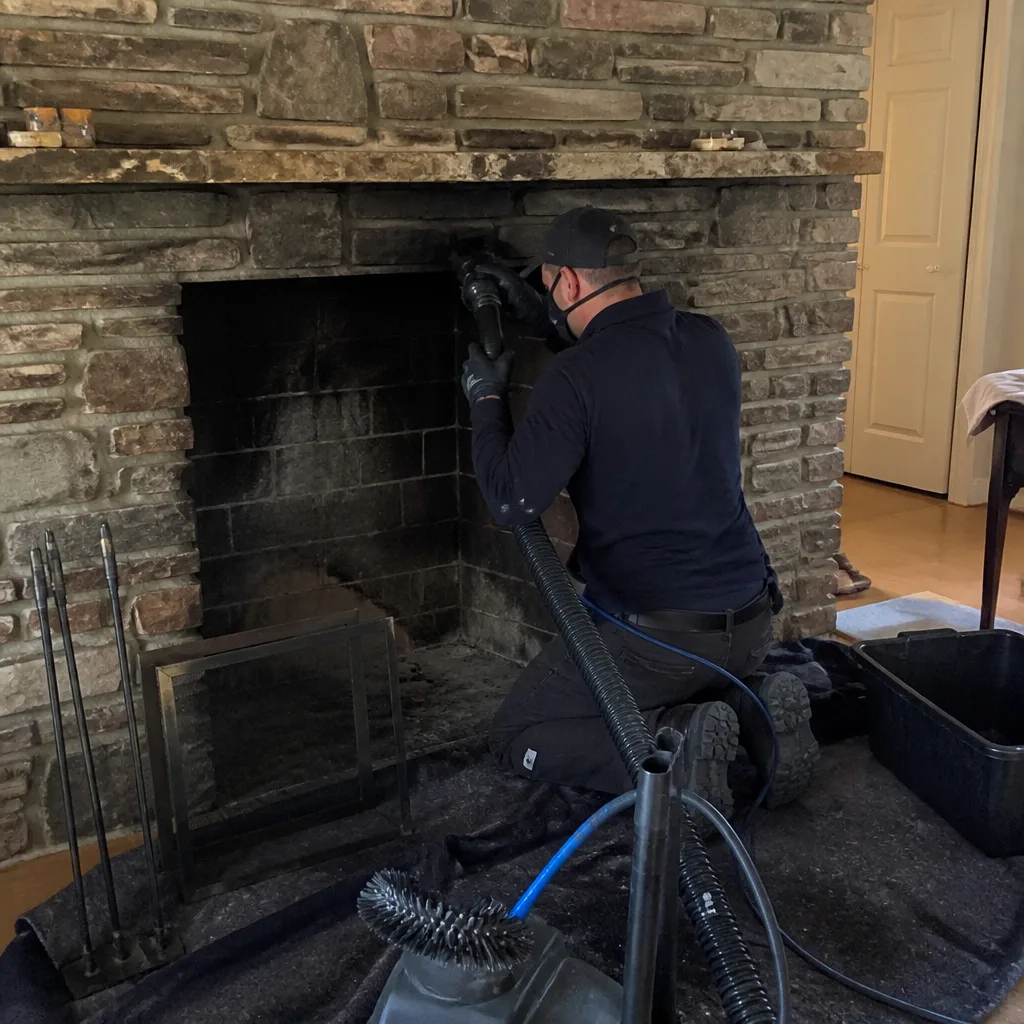 Before
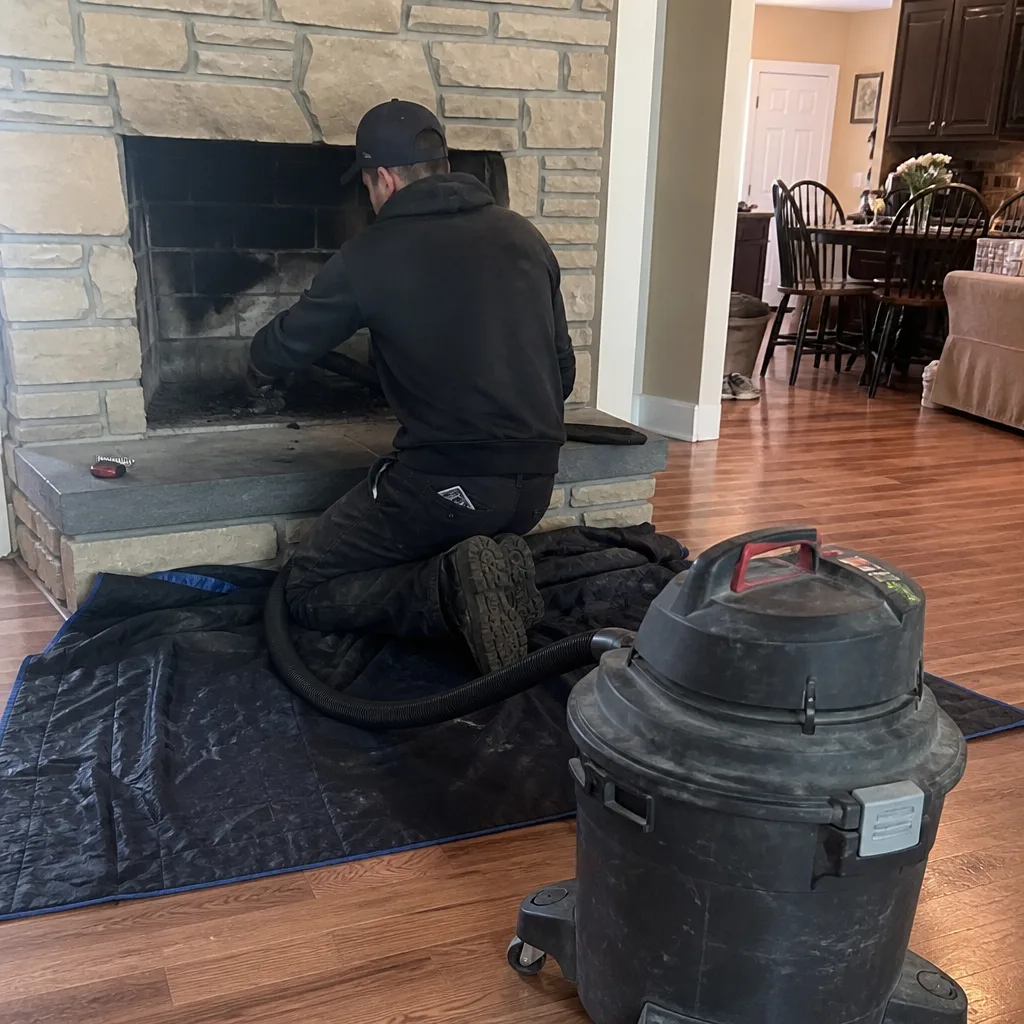 After
After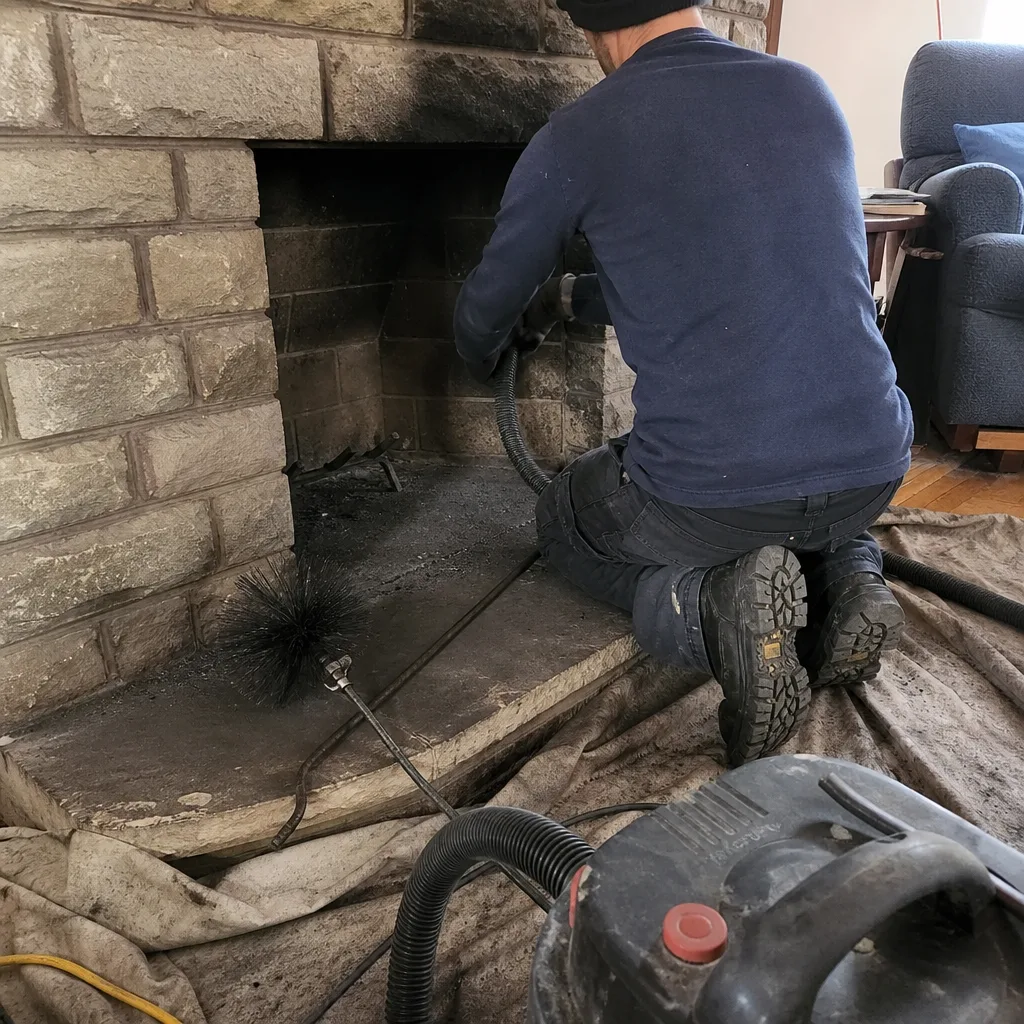 Before
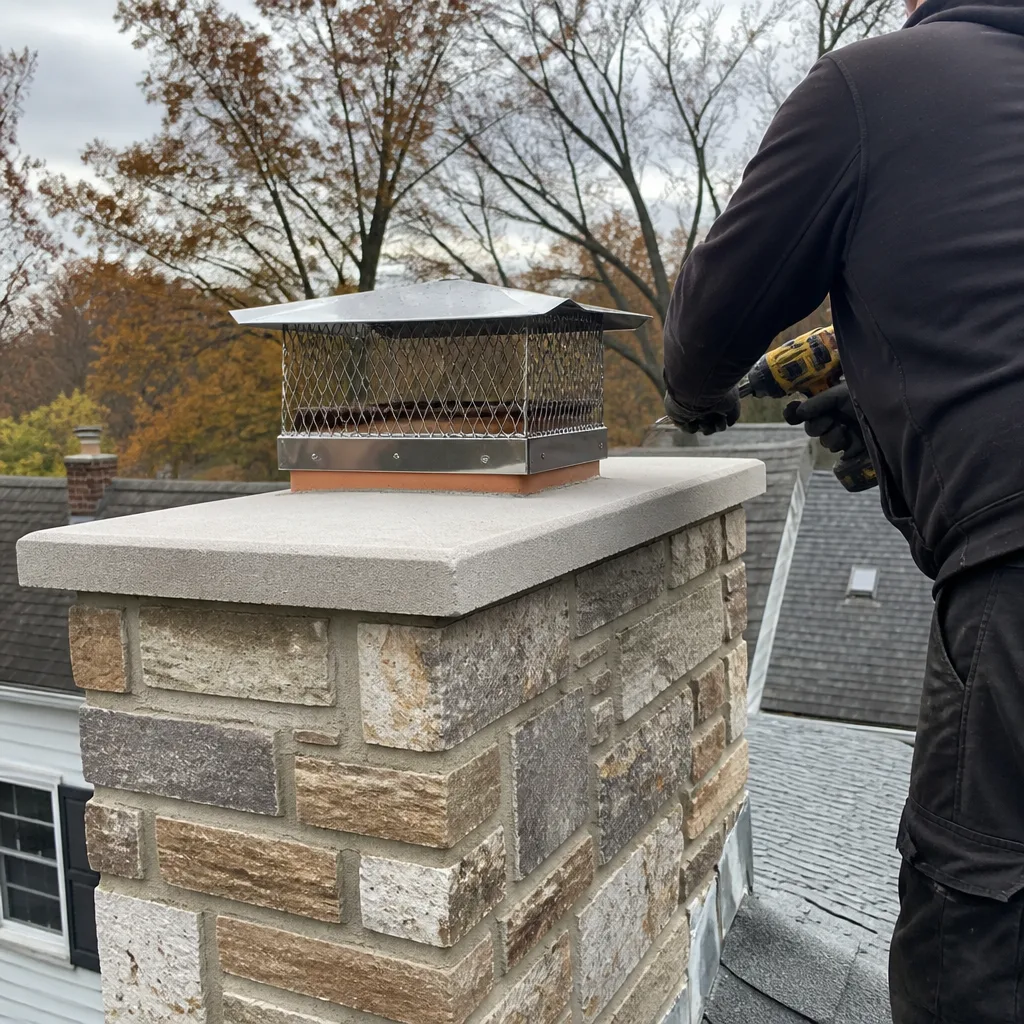 After
AfterChimney Cleaning & Sweep Maintenance Checklist for Bethlehem Homeowners
Most chimney maintenance checklists are written by people who have never held a flue brush. They list tasks in alphabetical order rather than the order things actually go wrong. That’s useless when you’re trying to budget repairs and prevent the one failure that matters: a chimney fire or carbon monoxide leak in a Bethlehem home built before 1980. In the Lehigh Valley, we’ve learned that crowns crack first, mortar joints at the roofline fail second, and dampers seize third. This guide organizes your maintenance around that sequence, with specific timing tied to our freeze-thaw cycles and the appliance you actually burn. For The Complete Guide to Chimney Cleaning in Bethlehem with deeper detail, see our companion resource.
Quick Answer
A proper chimney maintenance checklist for Bethlehem homeowners prioritizes crown and cap inspection before winter, mortar joint evaluation after March freeze-thaw cycles, and annual Level-2 camera inspection of the flue liner regardless of fuel type. Wood-burning systems need Chimney Cleaning & Sweep service every 1-2 cords burned; gas systems need burner, log set, and venting inspection annually; pellet inserts need ash pan, auger, and exhaust path cleaning per manufacturer schedule.
Table of Contents
- Why Sequence Matters: How Bethlehem Chimneys Actually Fail
- Pre-Winter Checklist: Before the First Fire
- Post-Winter Assessment: After the Freeze-Thaw Cycles
- Annual Camera Inspection: What Homeowners Can’t See
- Appliance-Specific Checklist Variations
- Logging Your Findings Year-Over-Year
- Common Mistakes to Avoid
- When to Call a Professional
- Frequently Asked Questions
Why Sequence Matters: How Bethlehem Chimneys Actually Fail
After 42 years of opening flues in Bethlehem and the surrounding Lehigh Valley, we’ve identified a predictable failure sequence that most generic checklists ignore. Understanding this order saves homeowners from emergency repairs and from contractors who recommend work out of sequence.
First failure: crown and cap. The concrete crown at the top of your chimney takes direct impact from rain, snow, and our harsh January winds sweeping down from the Poconos. A cracked crown lets water into the chimney structure itself. In Bethlehem’s older homes, particularly in the historic districts north of Broad Street, we’ve seen crowns deteriorate to the point of spalling concrete in as little as seven years. The cap, if present, protects the flue opening but often rusts at the collar or blows off in March wind events.
Second failure: mortar joints at the roofline. Once water breaches the crown, it follows gravity to the mortar joints between brick courses at or just below the roofline. This is the most expensive area to access for repair because of scaffolding and roof protection requirements. Bethlehem’s freeze-thaw cycles from January through March accelerate this damage dramatically. Water enters hairline cracks, expands when frozen, and widens those cracks with each cycle. We’ve repointed mortar in West Bethlehem homes where a single winter turned minor cracking into finger-width gaps.
Third failure: damper plate and throat assembly. With water now entering the flue system, the cast-iron or steel damper plate begins to corrode. A stuck damper isn’t just inconvenient. It prevents proper draft, leads to smoke spillage, and in the case of a gas log set, can contribute to carbon monoxide accumulation. We’ve replaced dampers in Bethlehem homes where the plate had rusted completely through at the pivot pin.
Fourth failure: flue liner sections. This is where the risk becomes acute. Clay tile liners crack from thermal shock, often from a chimney fire the homeowner never knew occurred. In Bethlehem’s 1950s and 1960s ranch homes, we’ve found terra cotta liners with vertical cracks running full tile height. Stainless steel liners, including quality systems from DuraFlex, eventually corrode at the joints or develop pinholes from condensate. Without a camera, these failures are invisible.
This sequence matters for your budget. Crown sealing costs a fraction of liner replacement. Catching mortar damage before it reaches the flue preserves the liner. Addressing problems in order prevents the cascading failure that turns a $400 maintenance visit into a $4,000 rebuild.
Pre-Winter Checklist: Before the First Fire
In Bethlehem, the practical burning season runs from late October through April. Your pre-winter inspection should happen in September or early October, before sweep schedules compress and before the first cold snap has homeowners lighting fires without checking anything.
Exterior Inspection (Ground Level and Roofline)
- Check the crown from the ground with binoculars. Look for visible cracks, missing chunks, or pooling water stains. In Bethlehem’s freeze-thaw climate, any crack wider than a nickel will grow through winter.
- Verify cap presence and condition. The cap should sit squarely with intact mesh sides. Missing or damaged caps allow rain, leaves from our heavy oak canopy, and animal entry. Squirrels are active in Bethlehem’s mature neighborhoods through November.
- Scan visible brick and mortar below the roofline. Efflorescence, the white powdery residue, indicates water migration through the masonry. This is early warning of the second failure sequence stage.
- Confirm flashing integrity where chimney meets roof. Lifted or corroded step flashing is the most common non-chimney source of water entry we find in Lehigh Valley homes.
Interior Inspection (Firebox and Hearth)
- Inspect firebox brick or refractory panels. Cracks larger than a dime in refractory panels require replacement before burning. In Bethlehem’s older masonry fireplaces, missing or degraded firebrick exposes the surrounding structure to direct heat.
- Open and close the damper fully. It should move smoothly and seat completely. Any grinding, catching, or incomplete closure means corrosion has begun.
- Check for debris, animal nesting material, or soot fall in the firebox. This indicates cap failure or liner damage above.
- Verify smoke shelf and damper throat are clear. A flashlight inspection from below reveals major obstructions but not flue liner condition.
Appliance-Specific Pre-Winter Tasks
- Wood-burning: Measure remaining cordwood. Seasoned hardwood (oak, maple, ash) needs 18+ months in Bethlehem’s humidity. If you’re buying now, you’re burning next year’s wood. Schedule sweep service before first use if you burned more than one cord last season.
- Gas log set: Check that pilot assembly lights and holds. Verify realistic flame pattern, not yellow tipping or soot production. Any soot on gas logs indicates incomplete combustion and requires professional adjustment.
- Pellet insert: Empty and inspect ash pan, auger tube, and burn pot. Pellet quality varies significantly in the Lehigh Valley; high-ash pellets clog exhaust paths faster.
What you cannot do in this inspection: evaluate flue liner condition, measure creosote buildup depth accurately, or assess hidden water damage within the chimney structure. These require professional chimney cleaning and sweep service in Bethlehem with camera equipment.
Post-Winter Assessment: After the Freeze-Thaw Cycles
March and April in Bethlehem deliver the most damaging weather your chimney faces. Temperatures swing from single digits to the fifties, often within 48 hours. Water that entered micro-cracks in January expands with tremendous force, then thaws and migrates deeper. By late March, the damage is done and visible.
This is the most important inspection most homeowners skip. They’re relieved heating season is ending, not thinking about what winter cost them.
Priority-Ordered Post-Winter Checklist
- Re-inspect crown condition. Compare to your pre-winter notes or photos. New cracks, widened existing cracks, or fresh concrete spalling mean water has penetrated the crown matrix. Sealant application should happen before May rains.
- Examine mortar joints at roofline with particular attention. This is where freeze-thaw damage concentrates. Probe gently with a screwdriver; deteriorated mortar will powder or dislodge. In Bethlehem’s historic districts, we’ve found joints that accepted the full blade depth after one severe winter.
- Check interior firebox for new staining patterns. Water entry from crown or mortar failure often leaves rust stains on firebox walls or damp ash residue in summer months.
- Operate damper again. Corrosion accelerated by winter humidity may have seized the mechanism. A damper that operated freely in October but sticks in April needs attention before next season.
- Document everything with dated photos. This creates your baseline for year-over-year comparison and protects against contractors who present old damage as new.
Bethlehem’s spring rainfall pattern, typically 4+ inches in April and May, will exploit any opening winter created. Repairs scheduled in April or May dry properly and cure before the next heating season. Waiting until September means competing with every other homeowner who delayed, and potentially discovering damage that prevents safe burning.
For masonry repair needs, our chimney repair services in Bethlehem include repointing, crown rebuilding, and flashing replacement using professional-grade materials.
Annual Camera Inspection: What Homeowners Can’t See
The most dangerous chimney defects are invisible from below and above. A Level-2 camera inspection, required by NFPA 211 when a system changes hands or after a chimney fire, should be part of routine maintenance for any Bethlehem homeowner burning wood or pellets, and for gas systems over fifteen years old.
What the Camera Reveals
- Clay tile liner cracks: Vertical cracks indicate thermal shock from chimney fire or rapid temperature change. Horizontal cracks suggest structural settlement, common in Bethlehem’s clay-heavy soils.
- Tile joint gaps: Mortar between clay tiles erodes, creating gaps that allow creosote to accumulate and combustible gases to reach masonry.
- Glazed creosote: Stage 3 creosote, hardened to a glassy finish, cannot be removed with standard brushes. It requires rotary chemical treatment. We’ve removed glazed deposits over 1/4 inch thick in Bethlehem homes where burning was frequent but sweeping was neglected.
- Stainless steel liner deterioration: Even quality liners from HeatShield or Olympia Chimney systems can develop joint separation, corrosion at turns, or condensate damage in gas applications.
- Masonry debris and obstruction: Spalled brick, deteriorated mortar chunks, or animal remains that would block a standard sweep brush.
The Documentation Standard
A proper camera inspection ends with photos you can see and a plain-English verdict. Not a technical report written for insurance adjusters. Not a vague recommendation. Specific findings, prioritized by safety risk, with clear next steps.
This documentation protects you. When a new contractor claims “your liner is cracked and must be replaced,” you can compare to previous images. We’ve seen Bethlehem homeowners quoted $3,800 for liner replacement based on a single blurry image, when our camera showed the “crack” was a manufacturing seam in a stainless steel liner, perfectly normal.
Our standard: photos you can see, a plain-English verdict, and no recommendation without evidence you can examine yourself.
Appliance-Specific Checklist Variations
The checklist changes significantly based on what you burn. Bethlehem homes contain all three types in roughly this distribution: wood-burning masonry fireplaces (common pre-1980), gas log sets in original fireplaces or prefabricated metal units, and pellet inserts (increasingly common since 2010).
Wood-Burning Fireplaces and Inserts
This is the highest-maintenance system and the highest-risk for chimney fire. Creosote accumulation rate depends on wood moisture, burn temperature, and firing frequency.
- Sweep frequency: Every 1-2 cords of seasoned hardwood, or annually if burning is primary heat. In Bethlehem’s climate, a cord burns faster than owners expect.
- Pre-season: Verify spark arrestor screen intact, firebrick sound, and damper operation.
- Mid-season: Check for creosote odor (indicates active accumulation) or reduced draft (indicates partial blockage).
- Post-season: Remove all ash, inspect for water staining, schedule sweep if not done mid-season.
- Annual: Level-2 camera inspection mandatory. Professional fireplace services in Bethlehem should include combustion analysis for inserts.
Gas Log Sets and Gas Fireplaces
Lower maintenance but not zero maintenance. Carbon monoxide risk from venting failure exceeds chimney fire risk.
- Annual: Pilot and burner inspection, thermocouple testing, gas pressure verification, and visual venting inspection.
- Every 2-3 years: Camera inspection of venting path, particularly in direct-vent systems where condensate can corrode inner walls.
- Watch for: Soot on logs (always abnormal), delayed ignition, rotten egg odor (gas leak, not venting issue, evacuate immediately), or moisture on interior glass.
Pellet Inserts and Stoves
Most mechanically complex system with the most manufacturer-specific requirements. Warranty often requires documented annual service.
- Every ton burned: Exhaust path cleaning, including vent pipe and termination cap. Pellet ash is alkaline and corrosive.
- Monthly in season: Ash pan emptying, burn pot scraping, auger path check for jamming.
- Annual: Full combustion chamber cleaning, gasket inspection, and electrical component testing. Pellet inserts require more technician time than wood or gas systems.
Logging Your Findings Year-Over-Year
This is the practice that separates homeowners who get honest service from those who get sold unnecessary work. Create a simple log, digital or physical, with dated entries for every inspection, sweep, or repair.
Minimum Log Contents
- Date and technician/company name.
- Photos of crown, roofline mortar, firebox, and any camera images provided.
- Specific findings in the technician’s words, not your summary.
- Recommended work, with prioritization if given.
- Work performed and materials used.
- Cost and whether estimate matched invoice.
When a new contractor identifies a “critical liner crack,” you can compare to last year’s camera images. When someone recommends crown rebuild, you can see whether the crack they cite existed three years ago and was stable. We’ve had Bethlehem homeowners show us decade-old logs that prevented thousands in redundant work.
This practice also reveals patterns. If your mortar joints deteriorate measurably every two winters, you know crown sealing isn’t sufficient and water diversion may be needed. If creosote builds faster than cord count suggests, you’re burning wet wood or smoldering fires.
The log is your defense against the oldest contractor trick: restating old problems as new emergencies. With documentation, you control the timeline. Without it, you’re dependent on whatever you’re told.
Common Mistakes to Avoid
- Scheduling sweep service only when smoke backs up. By then, you have significant creosote buildup and possibly liner damage. Bethlehem’s older flues narrow with age; they clog faster than new construction.
- Assuming gas systems need no inspection. Venting failure in a gas fireplace produces carbon monoxide without visible warning. Annual burner and venting check is not optional.
- Ignoring the crown because “it’s just concrete.” Crown failure is the root cause of most expensive chimney repairs we perform in Bethlehem. Sealing a cracked crown costs roughly 15% of rebuilding one that has collapsed.
- Burning unseasoned wood because “it’s cheaper.” In Bethlehem’s humidity, true seasoning takes 18-24 months. Green wood produces 50% more creosote, doubling sweep frequency and quadrupling chimney fire risk.
- Accepting verbal recommendations without photo evidence. Any defect that justifies repair expense should be visible to you. We provide photos with every inspection; you should demand no less from any contractor.
- Delaying post-winter inspection until fall. By September, freeze-thaw damage has been rained on for six months, corrosion has advanced, and contractor schedules are compressed. April assessment, May repair, September readiness.
- Treating all chimney services as interchangeable. The Lehigh Valley has price-cutting sweeps who perform “level one” inspections from the firebox with a flashlight, missing liner damage that a camera would reveal. Verify what “inspection” includes before booking.
When to Call a Professional
Call for service before the situation becomes urgent. Specific triggers: visible crown cracks or spalling, mortar that powders under light pressure, damper that sticks or won’t fully close, any smoke spillage into the room, soot on gas logs, or creosote odor during non-burning months. For a full reference, see Chimney Cleaning Warning Signs: A Bethlehem Homeowner’s Reference Guide. These indicate active deterioration or hazardous conditions.
For annual maintenance, schedule your sweep and inspection in late summer or early fall for wood-burning systems, or in spring for gas and pellet systems when technician availability is greatest. Bethlehem’s burning season creates a scheduling crush every October; plan around it.
Hearthstone Chimney Co. offers free estimates in Bethlehem. Call (610) 595-5754. A live person answers every call, 24 hours a day. Our technicians are background-checked, uniformed, and complete most jobs in a single visit. We provide no-hassle upfront pricing, and every job is backed by our 90-Day Done Right Promise in writing.
Frequently Asked Questions
A standard sweep and Level-1 inspection for a wood-burning fireplace in Bethlehem typically ranges from $200 to $350, depending on accessibility and creosote condition. Level-2 camera inspection adds $150 to $250 but is essential for accurate liner assessment. Hearthstone’s $89 Seasonal Tune-Up covers gas system burner and venting check. Call (610) 595-5754 for an exact quote on your specific system; estimates are free.
Wood-burning systems need sweep service every 1-2 cords of seasoned hardwood burned, or annually for primary heat sources. In Bethlehem’s climate with typical supplemental burning, every two years is common but annual is safer. Gas systems need burner and venting inspection annually, though flue cleaning is rarely required. Pellet systems need exhaust path cleaning per ton burned, typically twice per heating season with regular use. The NFPA 211 standard, which we follow, recommends annual inspection of all chimney systems regardless of fuel type.
A clay tile liner with hairline cracks can sometimes be monitored annually if the chimney is otherwise sound and burning patterns improve. A cracked or separated stainless steel liner, or clay tiles with missing pieces or gaps at joints, requires prompt repair or replacement because combustible gases and creosote can reach the masonry structure. We never recommend liner work without camera evidence you can see yourself, and we’ll tell you plainly when monitoring is reasonable versus when delay creates real hazard. Our 90-Day Done Right Promise applies to any liner work we perform.
For wood-burning systems, creosote accumulates to the point of chimney fire risk, a rapid, high-temperature event that can crack liners and ignite surrounding structure. For gas systems, venting corrosion or blockage can produce carbon monoxide accumulation without visible warning. For all systems, water entry from neglected crown and mortar damage destroys masonry from within, converting manageable maintenance into rebuild-level expense. In Bethlehem’s freeze-thaw climate, skipped maintenance accelerates damage dramatically. Call (610) 595-5754 to schedule before problems compound.
Homeowners can and should perform the ground-level and firebox inspections described in this checklist. You can spot crown cracks, mortar deterioration, damper operation issues, and firebox damage. You cannot safely assess flue liner condition, measure creosote buildup accurately, or evaluate hidden structural damage. These require professional equipment and training. The camera inspection is the dividing line between responsible homeowner maintenance and professional evaluation.
Bethlehem’s specific factors include: older housing stock with original clay tile liners (common pre-1980); mature tree canopy producing leaf and debris loading; freeze-thaw cycle severity from January through March that exceeds southeastern PA; clay-heavy soils that contribute to structural settlement; and a concentration of historic masonry that requires compatible repair materials. We’ve adapted our inspection sequence and repair materials to these local conditions over four decades of service.
The Bottom Line
Effective chimney maintenance in Bethlehem follows a failure sequence, not an alphabetical list. For more guides & resources on protecting your home, explore our blog. Crown and cap first, mortar joints second, damper third, liner fourth. Time your inspections around our freeze-thaw cycle: pre-winter readiness in September, post-winter damage assessment in March. Log everything with dated photos. Demand camera evidence for any recommendation involving the flue. Match your maintenance intensity to your fuel type. And schedule professional service before the October rush, when availability compresses and urgency overrides careful evaluation.
Done right, this approach prevents emergency repairs, extends chimney life, and ensures safe burning. Done right, and we stand behind it.
Written by Russell Haines, Owner at Hearthstone Chimney Co., serving Bethlehem since 2014.