
Last updated September 10, 2026
Level 1 sweep and inspection to the NFPA 211 annual standard - flue, crown, cap, and flashing checked and photographed
Chimney sweep logs do not sweep chimneys. They loosen some creosote - which then falls where a brush and vacuum still have to collect it.
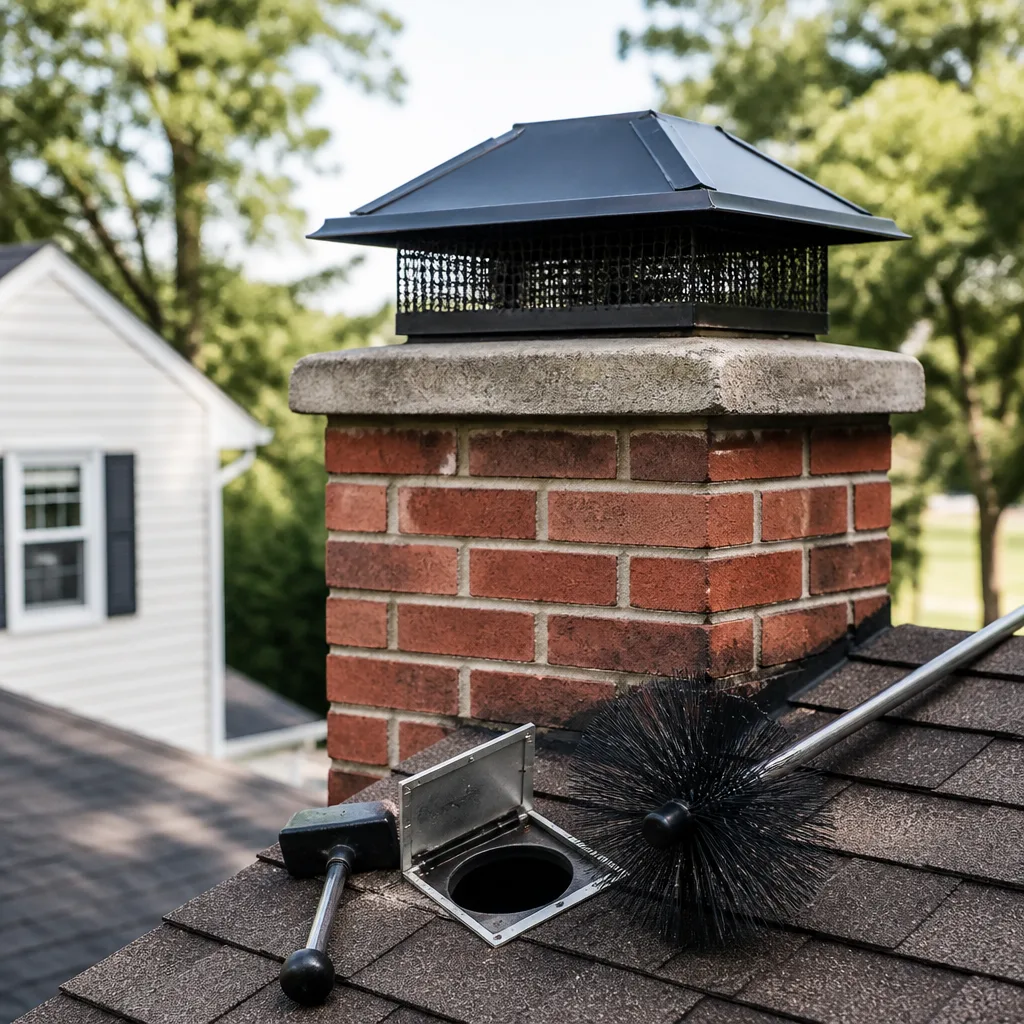
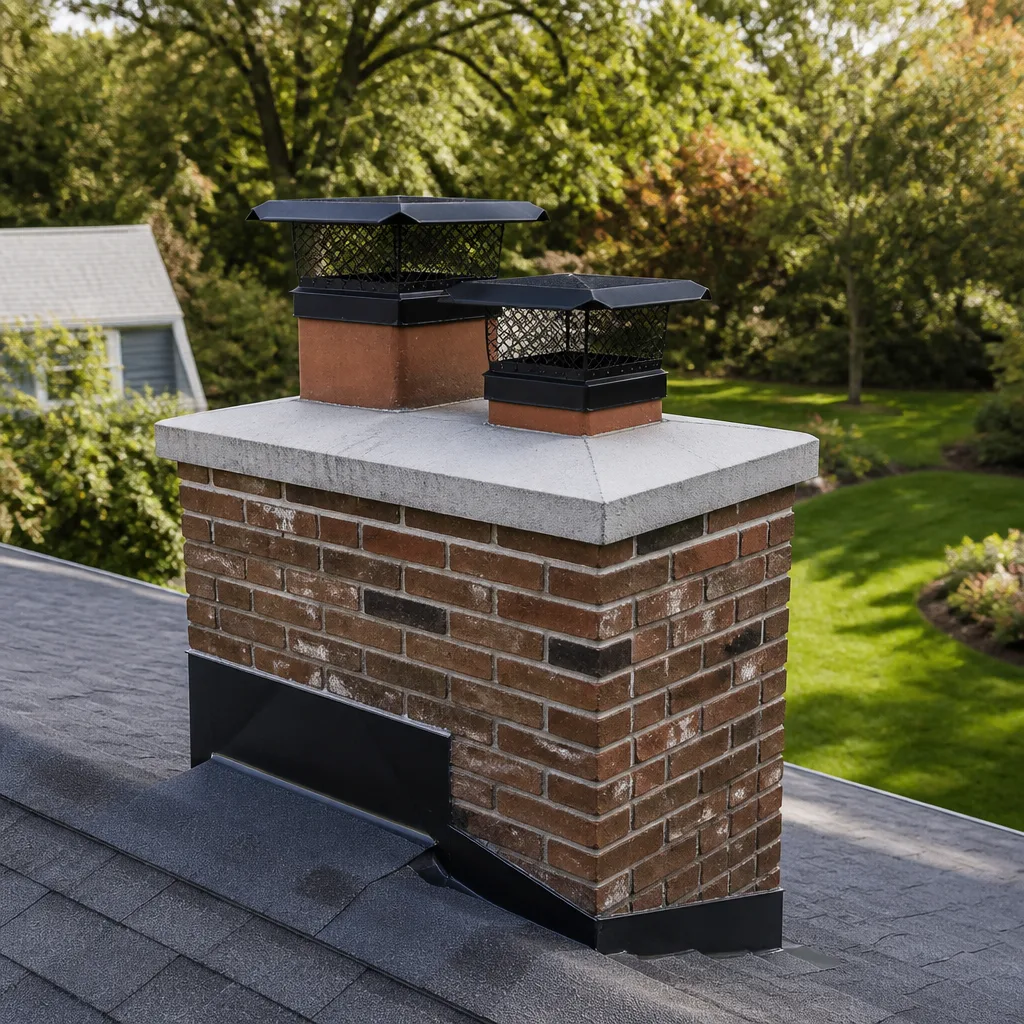
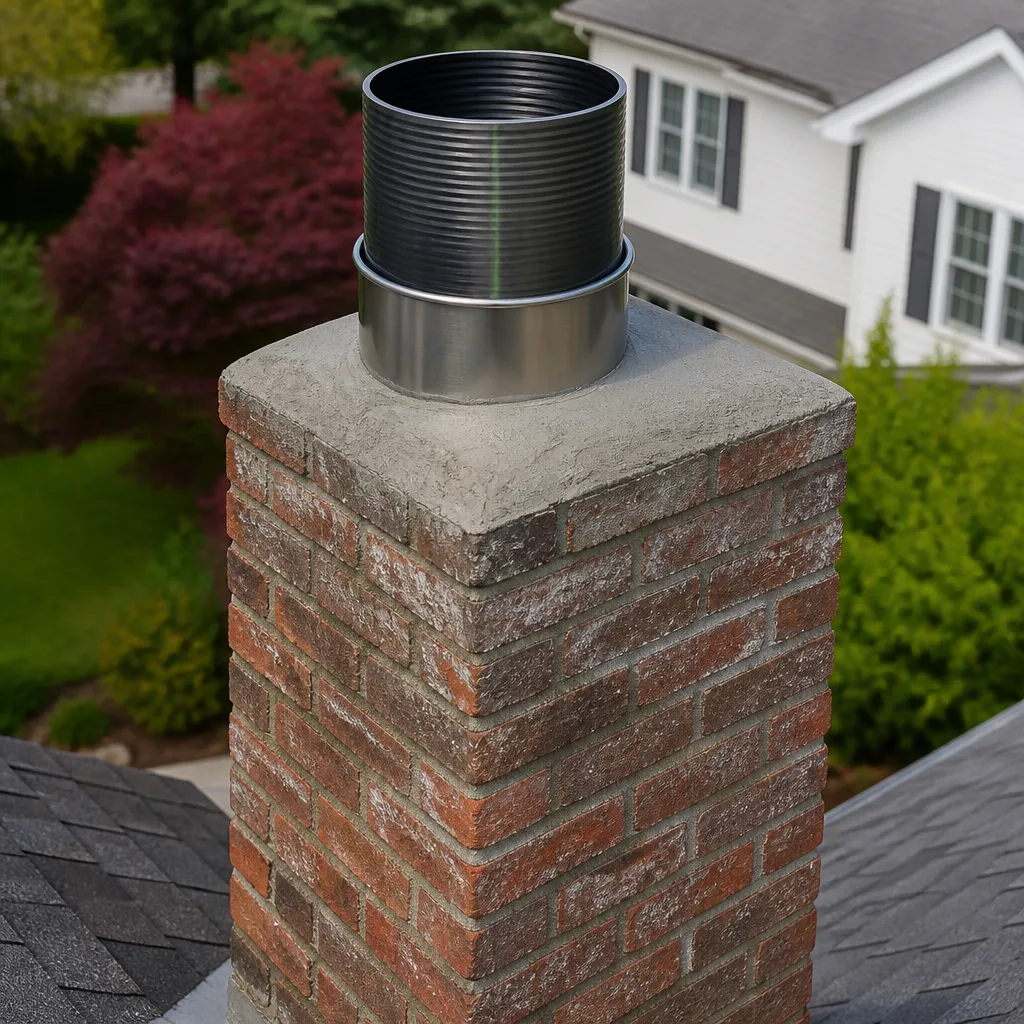
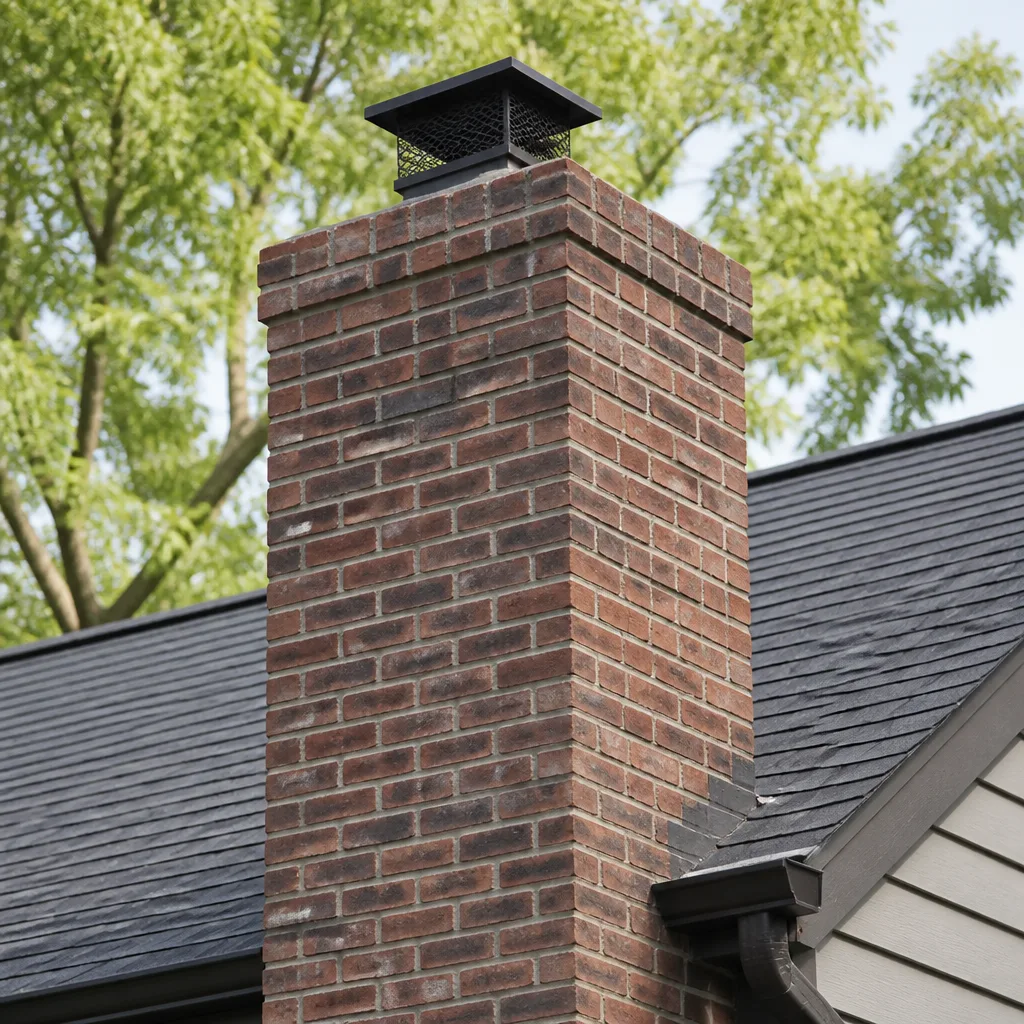
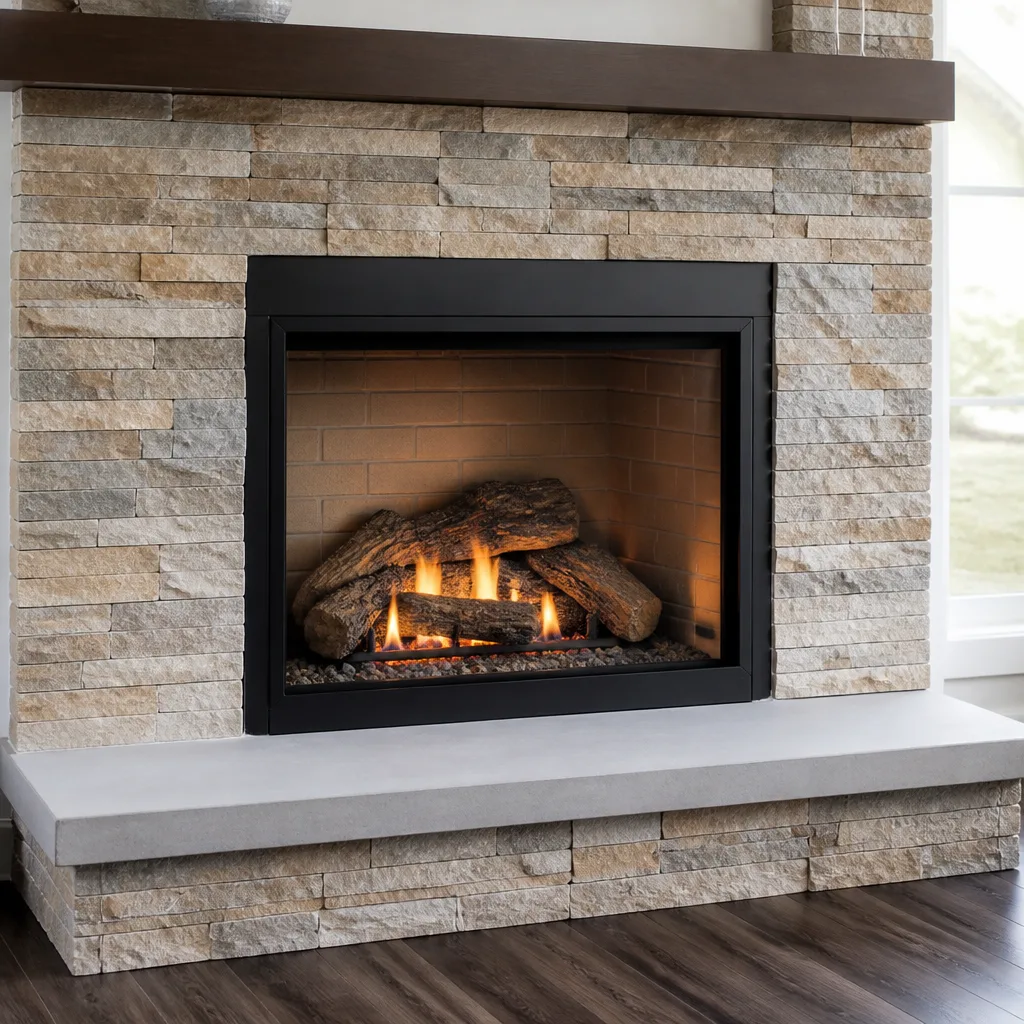
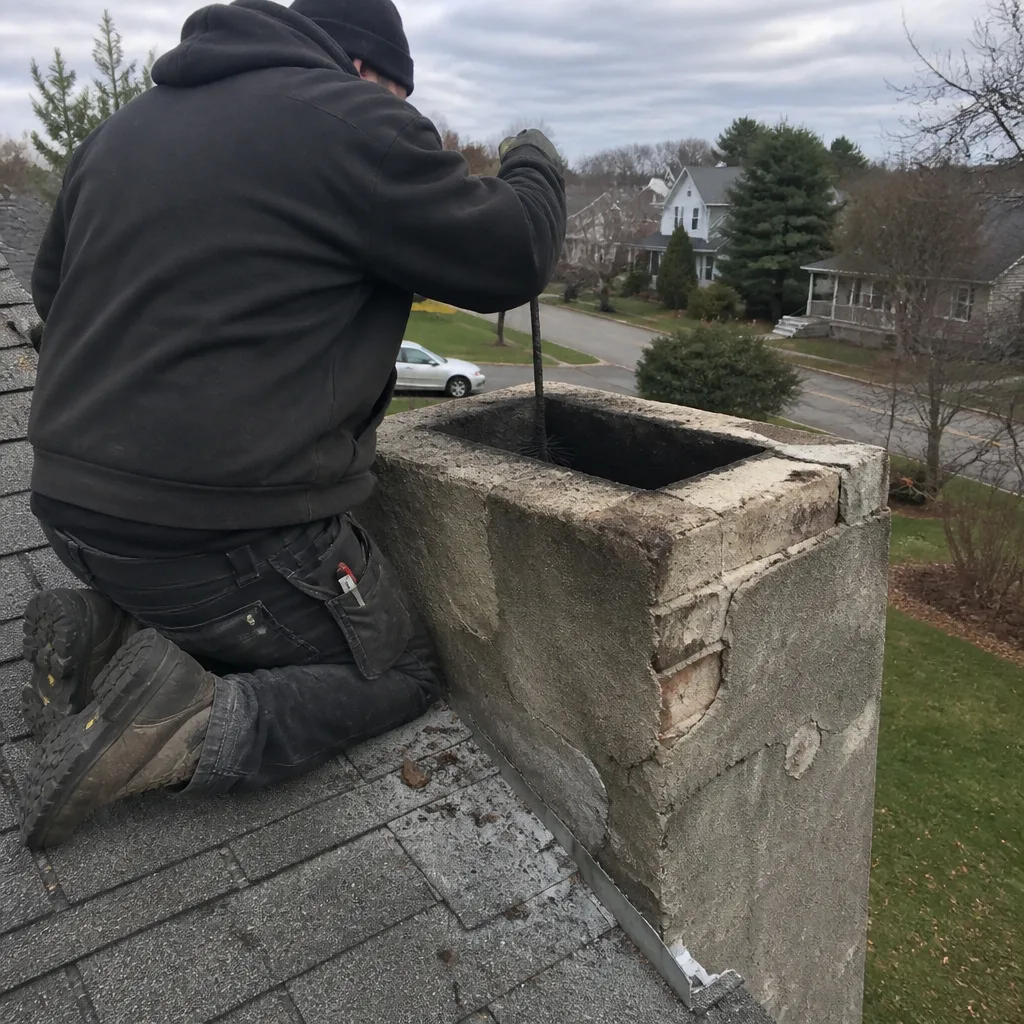 Before
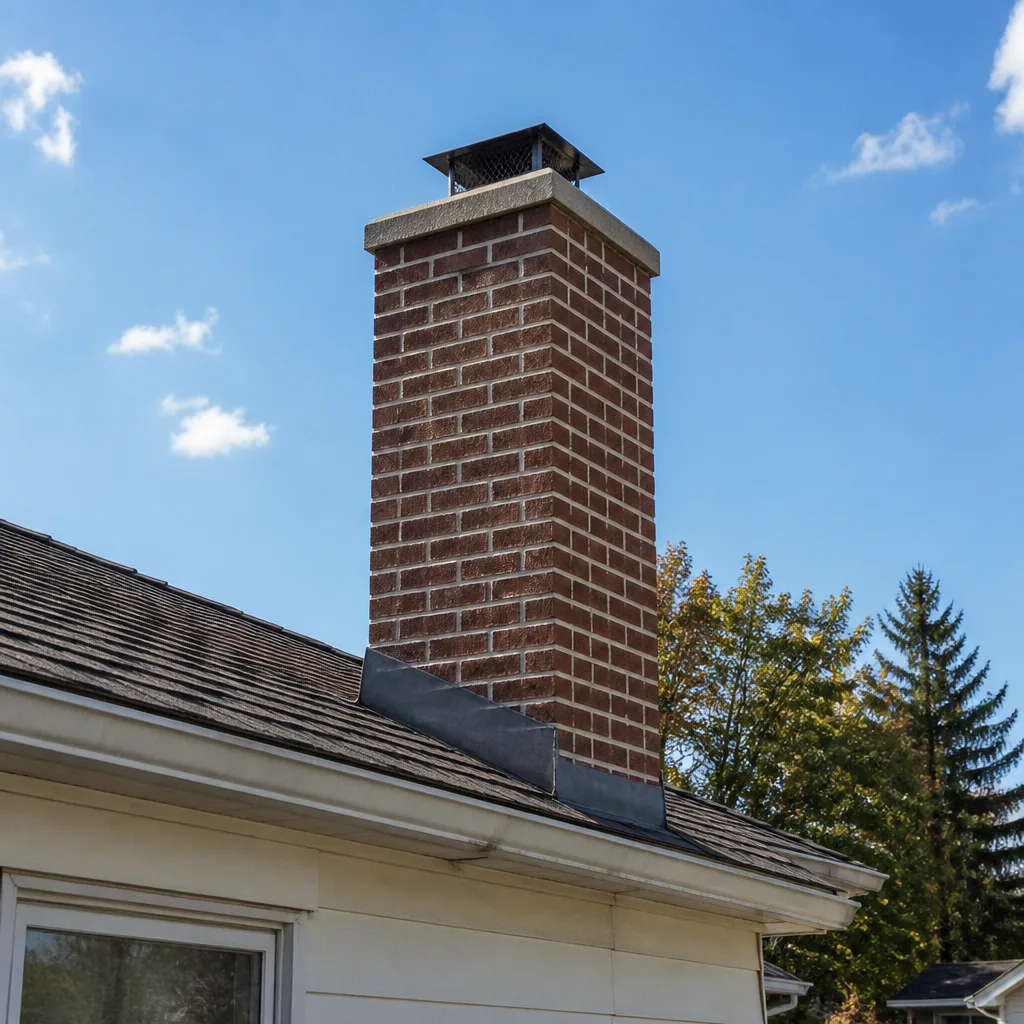 After
After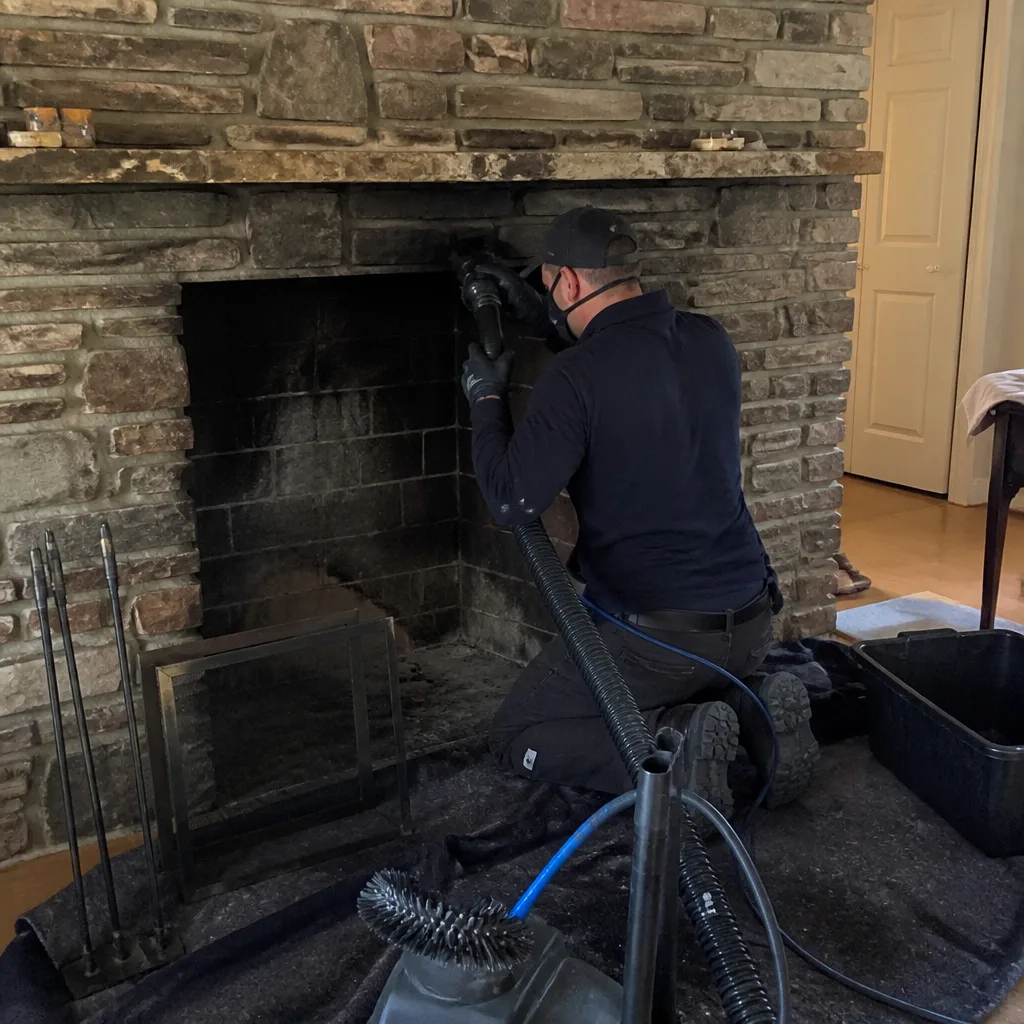 Before
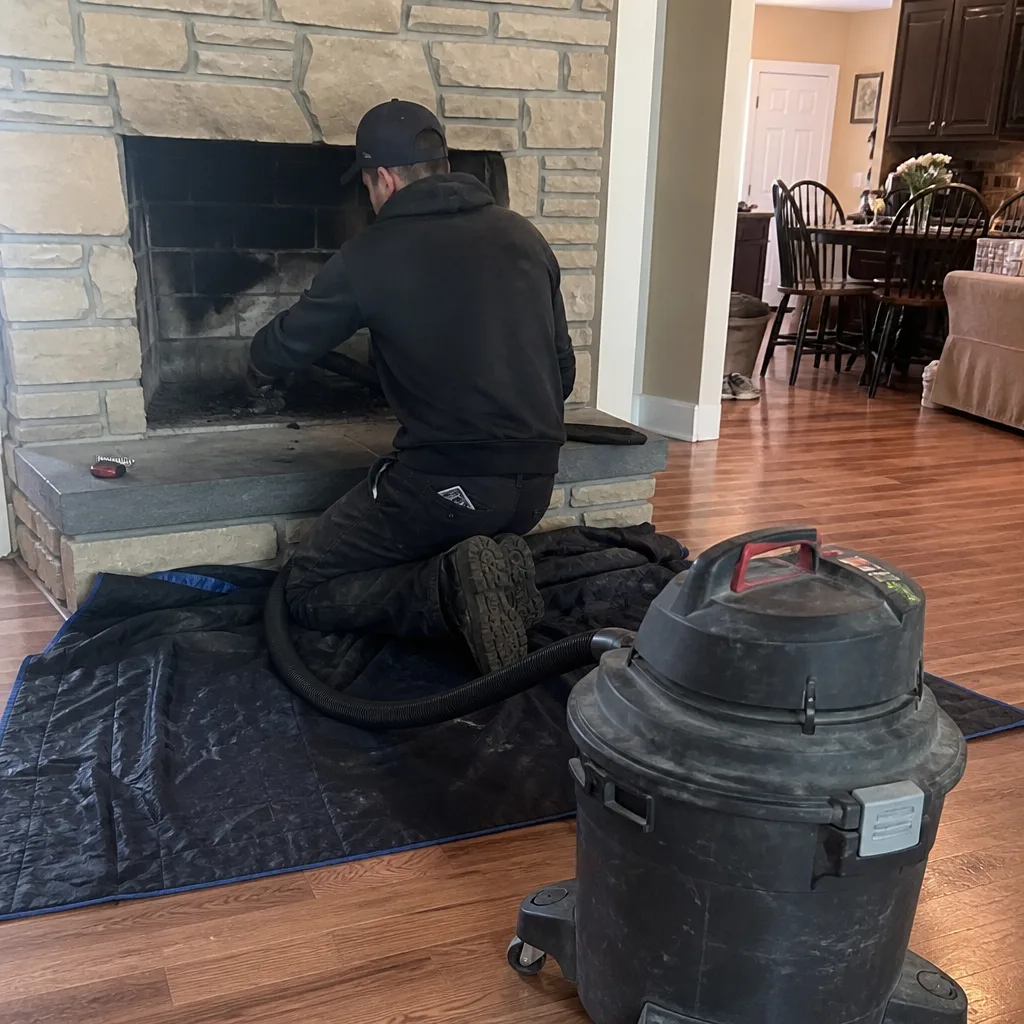 After
After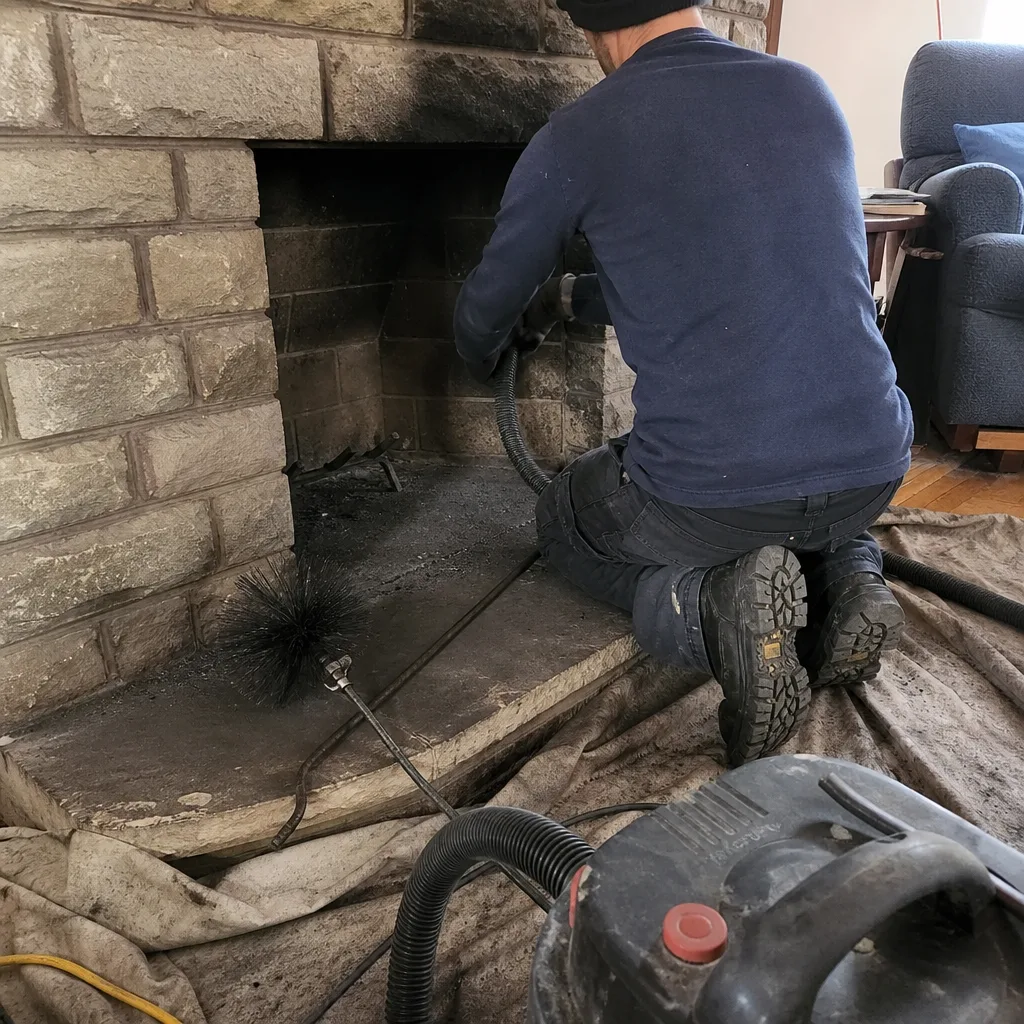 Before
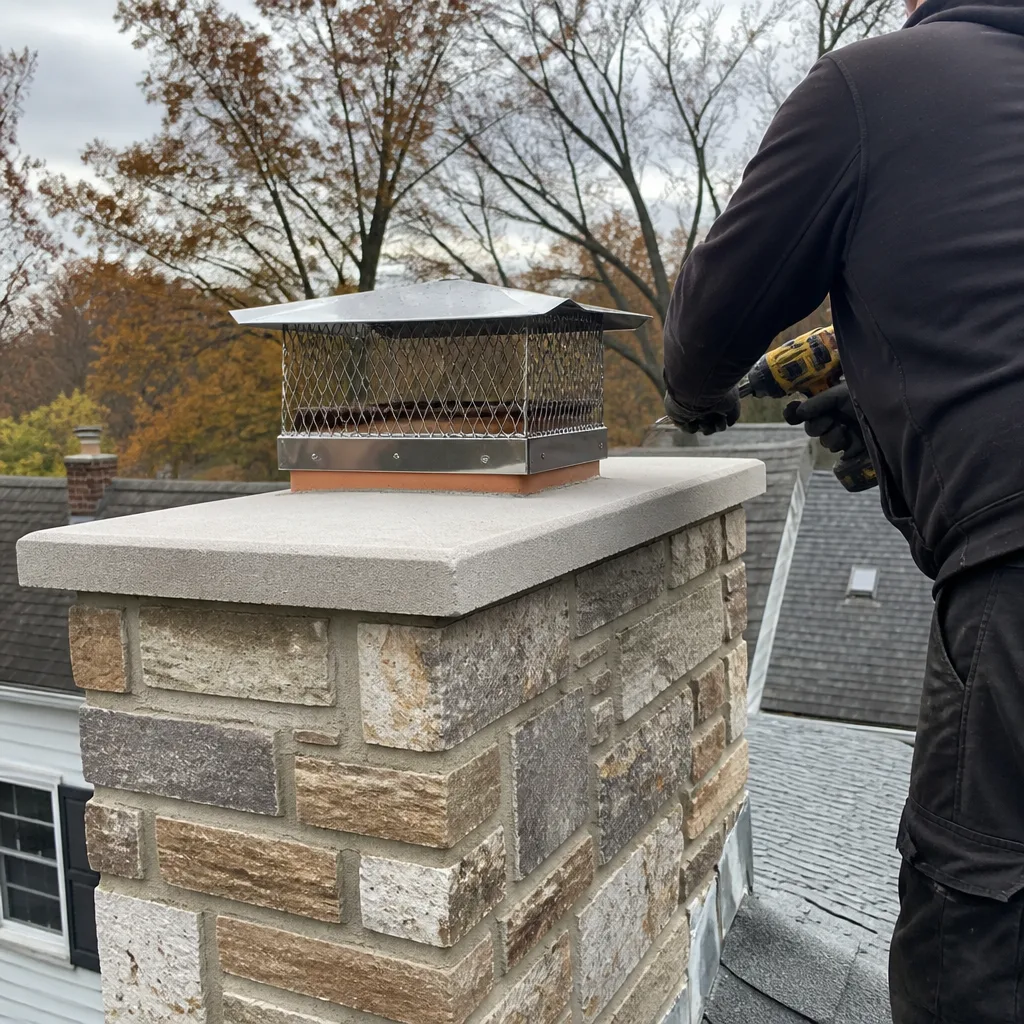 After
AfterDIY vs Professional Chimney Cleaning: The Bethlehem Homeowner’s Decision Guide
You can buy the same brush and rods a professional uses for under $60 at any hardware store on Broad Street. The tool gap between DIY and professional chimney cleaning is nearly zero. But after 42 years of opening flues in Bethlehem homes, we’ve learned that the knowledge gap - what you’re actually seeing while that brush travels upward - is where the real difference lives. This guide is for the homeowner standing in that aisle, brush kit in one hand, phone in the other, trying to make an honest decision. We’ll show you exactly when DIY makes sense, when it doesn’t, and what most guides won’t tell you: the inspection problem that turns a simple cleaning into a hidden safety risk.
Quick Answer
DIY chimney cleaning is genuinely viable for Bethlehem homeowners with straight, accessible flues, Stage 1 creosote buildup, and the physical ability to work safely at height. Most homeowners should hire a professional because cleaning without a flue camera inspection means missing cracked liners, deteriorated smoke shelves, and Stage 2 creosote that appears benign from below. A Level-2 camera inspection during professional chimney cleaning in Bethlehem documents conditions your eyes cannot see from the firebox.
Table of Contents
- When DIY Chimney Cleaning Actually Makes Sense
- The Equipment Reality: What $60 Buys vs. What Professionals Carry
- The Inspection Gap: What You Cannot See from the Firebox
- Bethlehem’s Older Homes: Flue Configurations That Complicate DIY
- Insurance, Liability, and the Documentation Problem
- The Go/No-Go Framework: Five Honest Questions
- Cost Comparison: Real Numbers for Bethlehem
- Common Mistakes to Avoid
- When to Call a Professional
- Frequently Asked Questions
- The Bottom Line
When DIY Chimney Cleaning Actually Makes Sense
Let’s start where most guides won’t: there is a real scenario where cleaning your own chimney is the right call. We’ve met dozens of Bethlehem homeowners who handle this job competently, and we respect the work.
DIY cleaning is appropriate when all four conditions are true:
- Straight flue, no offsets. Your flue runs vertically from firebox to crown without the clay-thimble offsets common in pre-1950 Bethlehem row homes. A brush pushed through an offset binds, breaks, or leaves a pocket of creosote you cannot reach.
- Stage 1 creosote only. The buildup is dry, flaky, and soot-like - it brushes off easily and falls into the firebox. Stage 2 (shiny, tar-like) or Stage 3 (glazed, hardened) requires chemical treatment and professional-grade rotary equipment that a homeowner should not attempt to operate.
- Safe roof access. Your roof pitch is walkable, you own a proper ladder, and you have a spotter. Bethlehem’s slate roofs in the historic district and steep gables in West Bethlehem are not compatible with amateur roof work.
- Annual habit with no surprises. You’ve cleaned this flue before, you know its personality, and last year’s inspection came back clean. The first cleaning after buying an older Bethlehem home is not the time to learn.
The honest truth: if you meet these criteria, you’ll likely do fine. The brush will remove loose material, you’ll reduce fire risk modestly, and you’ll save the cost of a service call. The problem is that most homeowners cannot confirm condition #2 without looking, and looking properly requires equipment you don’t have.
In South Side Bethlehem, we regularly see homeowners who’ve cleaned faithfully for years, never knowing their clay liner had developed a vertical crack that allowed heat to reach combustible framing. The chimney functioned. The fires burned bright. The creosote was managed. The risk accumulated invisibly. That’s the scenario this guide is designed to prevent.
The Equipment Reality: What $60 Buys vs. What Professionals Carry
The hardware store kit contains a polypropylene brush, four flexible rods, and a plastic handle. For a straight flue with light soot, this works. We’ve seen it work. But the gap between this kit and a professional setup widens dramatically based on your flue’s condition and configuration.
The $60 kit includes:
- Single brush size (typically 6″ or 8″ round)
- Standard polypropylene bristles
- Basic snap-together rods
- No vacuum system
- No inspection capability
A professional setup for Bethlehem’s varied housing stock includes:
- Multiple brush types: poly for light soot, flat wire for glazed creosote, reverse-balling heads for offsets
- High-torque rotary systems with variable speed control
- HEPA-filtered industrial vacuums that capture sub-micron particles
- Extension poles and sectional rods for 30+ foot flues common in Bethlehem’s Victorian homes
- Flue cameras with LED lighting and articulating heads
- Combustible gas detectors and draft gauges
The critical distinction isn’t the brush. It’s what happens around the brush. When a professional cleans a flue in Bethlehem, we’re simultaneously evaluating: draft performance, liner integrity, smoke chamber geometry, and creosote stage progression. The brush is the excuse to get eyes on the system.
For homes with fireplace services in Bethlehem that include insert installations or gas conversions, the flue configuration often changes from the original design. A 1920s Bethlehem brick chimney modified for a 1990s insert may have a stainless liner with a flex section that a standard brush damages. We’ve replaced liners that homeowners punctured with overly rigid DIY equipment. Gelco and Olympia Chimney liner systems require specific handling that generic brushes don’t accommodate.
The equipment gap matters most when conditions have changed. If your flue has always been straightforward and remains so, the $60 kit suffices. If you’ve modified the system, if creosote has progressed beyond Stage 1, or if you suspect any structural issue, the professional toolkit isn’t overkill - it’s appropriate.
The Inspection Gap: What You Cannot See from the Firebox
This is the core argument most guides obscure with general warnings about safety. We’re going to be specific about what a flue camera reveals that your eyes cannot, because the inspection gap is where DIY cleaning fails even competent homeowners.
Hairline liner cracks appear as faint vertical lines in clay tile, sometimes no wider than a pencil mark. From the firebox looking up, the flue looks intact. From inside with a camera and directed light, the crack’s full length and any spalling become visible. In Bethlehem’s freeze-thaw climate, these cracks propagate. Water enters, freezes, expands. The liner fails progressively. A cleaning without inspection documents nothing and detects nothing.
Deteriorated smoke shelves sit above the damper, invisible from below and inaccessible without specialized tools. The smoke shelf collects fallen debris and should present a flat, solid surface. When it deteriorates, it creates a void that disrupts draft and can harbor combustible material. We’ve found bird nests, dried leaves, and construction debris on smoke shelves in Bethlehem homes that had been “cleaned” annually by the owner.
Stage 2 creosote masquerading as Stage 1. From the firebox, creosote looks dark and powdery. The camera reveals the truth: a thin layer of soot over glistening, tar-like buildup that requires chemical treatment before mechanical removal. Brushing Stage 2 creosote without pre-treatment polishes it into Stage 3 glaze, making future removal harder and more expensive.
Mortar joint failure between flue tiles. The joints should be flush and intact. Gaps allow creosote to penetrate the chimney structure itself, creating a reservoir that reignites after cleaning. This condition is common in Bethlehem’s pre-war housing stock where original liners have exceeded their design life.
Obstructions and animal entry. A partially collapsed liner section, a brick that has fallen into the flue, or a squirrel nest in the upper reaches - these don’t announce themselves. The first sign is often a smoke backup or a chimney fire.
The National Fire Protection Association Standard 211 recommends Level-2 inspection during cleaning when any system change has occurred, when property is being transferred, or when a chimney fire has occurred. Most Bethlehem homeowners buying or inheriting an older home meet at least one of these criteria.
Our chimney repair in Bethlehem calls frequently begin with a homeowner who cleaned faithfully, then finally called us for a persistent draft problem or a smell they couldn’t identify. The camera reveals a condition that years of brushing missed. The cleaning wasn’t wrong. It was incomplete.
Bethlehem’s Older Homes: Flue Configurations That Complicate DIY
Bethlehem’s housing stock presents specific challenges that generic DIY guides ignore. The city was built across three centuries, and its chimneys reflect that layered history.
Historic district and South Side row homes (pre-1920): These often feature unlined brick flues or early clay tile liners with irregular dimensions. The flues may be oval or rectangular rather than round, requiring custom brush sizing that hardware store kits don’t provide. Multiple flues often share a wall, and cleaning one can dislodge debris into an adjacent flue if not properly sealed.
West Bethlehem and North Bethlehem Victorians (1880-1930): Tall, narrow flues with sharp offsets where the chimney steps to follow rooflines. The offsets create ledges where creosote accumulates in thick deposits that standard brushes bypass. These chimneys often served coal originally, then were adapted for wood or oil, leaving incompatible flue dimensions.
Mid-century ranches and splits (1950-1975): Factory-built metal chimneys or clay liners in simplified configurations. These are the most DIY-friendly, with straight runs and accessible cleanouts. However, the metal chimneys require specific brush types; polypropylene can damage stainless steel liners, and steel brushes can score galvanized components.
Modern construction with inserts (1980-present): Original flues often relined with flexible stainless systems from brands like Famco or Copperfield. These liners require gentle handling, proper connector alignment, and verification that the flex section hasn’t developed kinks or separations. DIY brushing can dislodge connections or create gaps at the appliance collar.
The Bethlehem climate compounds these issues. Our freeze-thaw cycles are severe - average winter lows in the low 20s, with repeated temperature swings above and below freezing. Water penetration through crown cracks or deteriorated mortar accelerates liner damage. A flue that was sound in October can show significant spalling by March. Annual inspection isn’t conservative; it’s calibrated to our weather reality.
We’ve worked on chimneys in the historic district where the original 1890s liner was still partially intact beneath a 1970s retrofit, creating a layered system that confused a homeowner who assumed they were dealing with a single, straightforward flue. Understanding your chimney’s construction history matters, and that history is often undocumented in Bethlehem’s older properties.
Insurance, Liability, and the Documentation Problem
This section addresses a question homeowners rarely ask until it’s too late: what happens after a chimney fire when you’ve been cleaning it yourself?
Homeowner’s insurance policies vary, but most contain language about “reasonable maintenance” and “professional service for specialized systems.” The documentation gap creates problems in two directions.
When DIY cleaning precedes a loss: An adjuster examining a chimney fire will request maintenance records. Your personal calendar entries and hardware store receipts may not satisfy the requirement for “qualified professional service.” Some insurers specifically exclude chimney-related losses when no certified sweep has inspected the system within the policy’s specified interval, typically one or two years. The burden of proving adequate maintenance shifts to you, and your testimony about brushing technique rarely suffices.
When professional cleaning provides documentation: A dated invoice from a certified sweep with inspection notes creates a record that the insurer accepts without dispute. The Level-2 inspection with photos demonstrates due diligence. If a fire occurs despite proper maintenance, your coverage proceeds without the documentation fight.
We’ve testified in disputes where a Bethlehem homeowner’s claim was reduced because they couldn’t produce professional inspection records. The fire originated in a cracked flue section that a camera would have revealed. The homeowner had cleaned diligently. The insurer acknowledged the effort. The policy language still limited recovery.
This isn’t an argument that DIY cleaning voids insurance - policies differ, and some insurers don’t distinguish. It’s an argument that documentation matters, and professional service generates documentation that DIY cannot replicate. For homeowners in Bethlehem who’ve invested decades in their properties, the marginal cost of professional inspection is inexpensive insurance against coverage disputes.
The 90-Day Done Right Promise we provide with every Hearthstone Chimney Co. home service includes written documentation of conditions found, recommendations made, and work completed. If questions arise later, the record exists. That’s a practical benefit that doesn’t appear in the hardware store kit.
The Go/No-Go Framework: Five Honest Questions
We’ve developed this framework over decades of conversations with Bethlehem homeowners. Answer honestly. There’s no virtue in choosing professional service you don’t need, and no savings in DIY work that exceeds your situation.
- Do I know my flue’s full construction, including any modifications by previous owners? If you bought the home recently, inherited it, or know of any insert installation, liner replacement, or fuel conversion - the answer is likely no. Unknown construction requires professional assessment before any cleaning.
- Can I access my roof safely with proper equipment, or does my flue have a cleanout at the base? Some Bethlehem homes have basement cleanouts that allow bottom-up brushing without roof access. Most don’t. If you need the roof and hesitate, that’s your answer.
- Has a camera inspection ever been performed on this flue? If never, you don’t know what you’re working with. The first inspection should be professional to establish baseline conditions.
- Is my creosote dry, flaky, and minimal (less than 1/8 inch), or do I see any shiny, tar-like, or glazed deposits? Stage 2 and 3 creosote require chemical treatment before mechanical removal. Brushing them without preparation worsens the condition.
- Am I cleaning on schedule, or am I catching up after skipped years? Deferred maintenance means unknown conditions. The flue that hasn’t been cleaned in three years is not the same as the flue cleaned annually. Catch-up cleaning is professional territory.
Three or more “no” answers: hire a professional this year, establish your baseline, then reassess annually. Two “no” answers: borderline; consider professional service for the inspection value even if you handle the brushing yourself. One or zero “no” answers: DIY may be appropriate if you’re comfortable with the physical work and have proper equipment.
This framework isn’t designed to steer you toward our service. We’ve recommended DIY to homeowners who clearly met the criteria, and we’ve had them return years later with no issues. The goal is matching the right approach to the right situation. Bethlehem homeowners deserve that honesty.
Cost Comparison: Real Numbers for Bethlehem
Cost shouldn’t be the only factor, but it’s always a factor. Here’s what DIY and professional chimney cleaning actually cost in the Bethlehem market.
| Item | DIY Cost | Professional Cost |
|---|---|---|
| Basic brush and rod kit | $45-$75 | Included in service |
| HEPA vacuum rental or purchase | $80-$250 | Included in service |
| Flue camera (not available for consumer rental) | N/A | Included in Level-2 inspection |
| Roof safety equipment | $150-$400 | Not applicable |
| Creosote removal chemical (if needed) | $30-$60 | Included or itemized |
| First-year total investment | $305-$785 | $189-$289 (Bethlehem market rate) |
| Subsequent years (annual cleaning) | $0 (equipment owned) | $189-$289 |
The break-even math favors DIY only if you own appropriate safety equipment already and your flue remains in simple condition year after year. For most Bethlehem homeowners, the first-year professional cost is lower than equipping for DIY, and the inspection value is additional.
Our $89 Seasonal Tune-Up, available seasonally, brings professional service within range of the hardware store kit for homeowners who qualify. The standing 5% Senior and Veteran discount applies as well. No-hassle upfront pricing means the estimate figure matches the invoice - no surprises, no add-ons discovered mid-job.
The hidden cost of DIY is the condition missed. A cracked liner repaired early costs $800-$2,500. The same crack discovered after it has allowed heat damage to surrounding structure can reach $5,000-$15,000 for rebuild. Camera inspection during routine cleaning catches these conditions in the repairable stage.
Common Mistakes to Avoid
- Brushing from the bottom only. Bottom-up brushing pushes debris upward where it compacts in the smoke chamber. Proper technique requires top-down brushing with a vacuum at the base, or sealed bottom-up work with debris collection. We’ve found compacted soot layers two inches thick in Bethlehem chimneys “cleaned” this way for years.
- Using the wrong brush size or material. An undersized brush doesn’t contact flue walls; an oversized brush binds and may damage liners. Steel bristles on stainless liners from Famco or Copperfield systems cause scoring that accelerates corrosion. Match the brush to the flue material and dimension.
- Ignoring the smoke chamber and firebox. The flue is only part of the system. The smoke chamber above the damper and the firebox itself require attention. Soot accumulation in the smoke chamber is a common fire origin point that DIY cleaning often misses entirely.
- Cleaning without inspecting the crown and cap. Water entry destroys chimneys from the top down. A cleaning that doesn’t include crown condition assessment leaves the most common failure mode unaddressed. In Bethlehem’s climate, crown deterioration progresses rapidly once started.
- Assuming no smell means no problem. Odor indicates active issues, but absence of odor proves nothing. Carbon monoxide produces no smell. Cracked liners produce no smell until they produce smoke or fire. Rely on inspection, not your nose.
- Working without a spotter or proper ladder anchoring. Bethlehem’s older homes often have uneven ground, decorative stonework, or deteriorated fascia that complicates ladder placement. Roof work without proper safety equipment has sent competent homeowners to the emergency room. The savings from DIY evaporate with a single fall.
- Skipping the post-cleaning function test. After any cleaning, the system should be tested: damper operation, draft performance, visual inspection for proper draw. A cleaning that dislodges debris can obstruct the flue partially, creating dangerous conditions. Always verify function before the next fire.
When to Call a Professional
Call a professional when your honest answers to the framework above suggest it, when your flue configuration is unknown or complex, when creosote has progressed beyond Stage 1, or when you simply want the documentation and inspection that protects your investment. There’s no failure in recognizing that a system built in 1890 or modified by unknown hands requires expert assessment.
Hearthstone Chimney Co. offers free estimates in Bethlehem - call (610) 595-5754. Our background-checked, uniformed technicians complete most jobs in a single visit. Every Level-2 inspection ends with photos you can see and a plain-English verdict. The 90-Day Done Right Promise covers all work in writing, with no arguing. We’ve served local communities for over 42 years, and we plan to be here when your chimney needs attention again. Explore more guides & resources on chimney safety and maintenance.
Frequently Asked Questions
A professional chimney sweep in Bethlehem typically costs $189-$289 for a standard cleaning with Level-1 inspection; Level-2 camera inspection adds $50-$150 depending on flue accessibility and number of appliances. Hearthstone Chimney Co. offers a $89 Seasonal Tune-Up seasonally and a permanent 5% Senior and Veteran discount. Call (610) 595-5754 for an exact quote - estimates are free.
The National Fire Protection Association recommends annual inspection for all chimneys, with cleaning as needed based on creosote accumulation. In Bethlehem’s climate, where heating season runs October through April and freeze-thaw cycles accelerate deterioration, annual service is prudent for wood-burning systems. Gas systems may extend to every two years if inspection confirms clean conditions, but annual inspection still applies.
A legitimate liner recommendation should be supported by camera documentation you can see yourself, specific code references, and clear explanation of the hazard. At Hearthstone, nothing is recommended without photo evidence, and we’ll plainly tell you when work can safely wait. If a sweep recommends liner replacement without showing you the condition, get a second opinion - our Free Second Opinion on any written estimate applies.
Skipped cleaning allows creosote to accumulate, increasing chimney fire risk and potentially obstructing flue gases. Carbon monoxide can back up into living space if draft is compromised. In Bethlehem’s older homes with original or deteriorated liners, the risk of hidden structural damage progressing to costly repair also increases. The consequence isn’t immediate failure - it’s accumulated risk that manifests suddenly, often during the heaviest use period in mid-winter.
Some Bethlehem homes have basement cleanouts that permit bottom-up brushing, but this is uncommon in pre-mid-century construction. Bottom-up cleaning without proper debris collection and vacuum equipment creates a soot discharge into the home that most homeowners underestimate. If your flue lacks a cleanout, roof access is required for proper technique.
Gas fireplaces produce minimal creosote but can accumulate debris, suffer liner deterioration, or develop draft problems from failed connections. Annual inspection applies to gas systems as well. If you’ve converted a wood fireplace to gas in a Bethlehem home, the original flue dimensions may be inappropriate for the new appliance, creating venting issues that inspection reveals.
The Bottom Line
The decision between DIY and professional chimney cleaning in Bethlehem isn’t about competence or character. It’s about information. The $60 brush kit gives you mechanical capability. It doesn’t give you eyes inside the flue, documentation for your insurer, or assessment of conditions that develop silently in our freeze-thaw climate.
DIY is viable for the narrow set of homeowners with known, simple flues, light creosote, safe access, and no surprises in their chimney’s history. For everyone else - which is most Bethlehem homeowners in homes built before 1980 - professional service pays for itself in detection, documentation, and the certainty that comes from seeing what you’re dealing with.
We’ve been opening flues in this city for over 42 years. The chimneys that give us pause aren’t the ones that were never cleaned. They’re the ones that were cleaned faithfully, year after year, by homeowners who never knew what the brush was passing. A square deal is knowing what you’re facing. Photos you can see. A plain-English verdict. And work that’s done right, with a promise behind it.
Call (610) 595-5754 for a free estimate. A live person answers, 24 hours a day, every day.
Written by Russell Haines, Owner at Hearthstone Chimney Co., serving Bethlehem since 2014.