
Last updated September 10, 2026
Level 1 sweep and inspection to the NFPA 211 annual standard - flue, crown, cap, and flashing checked and photographed
Chimney sweep logs do not sweep chimneys. They loosen some creosote - which then falls where a brush and vacuum still have to collect it.
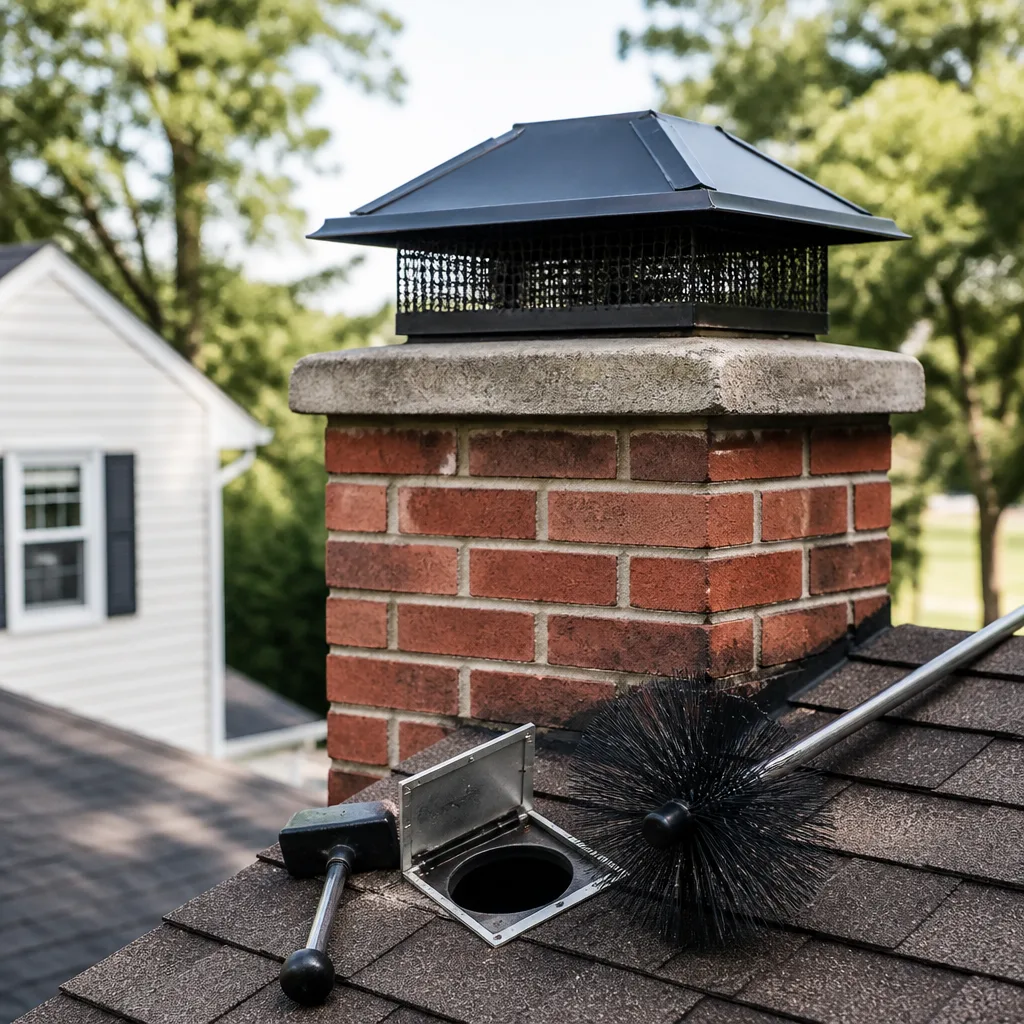
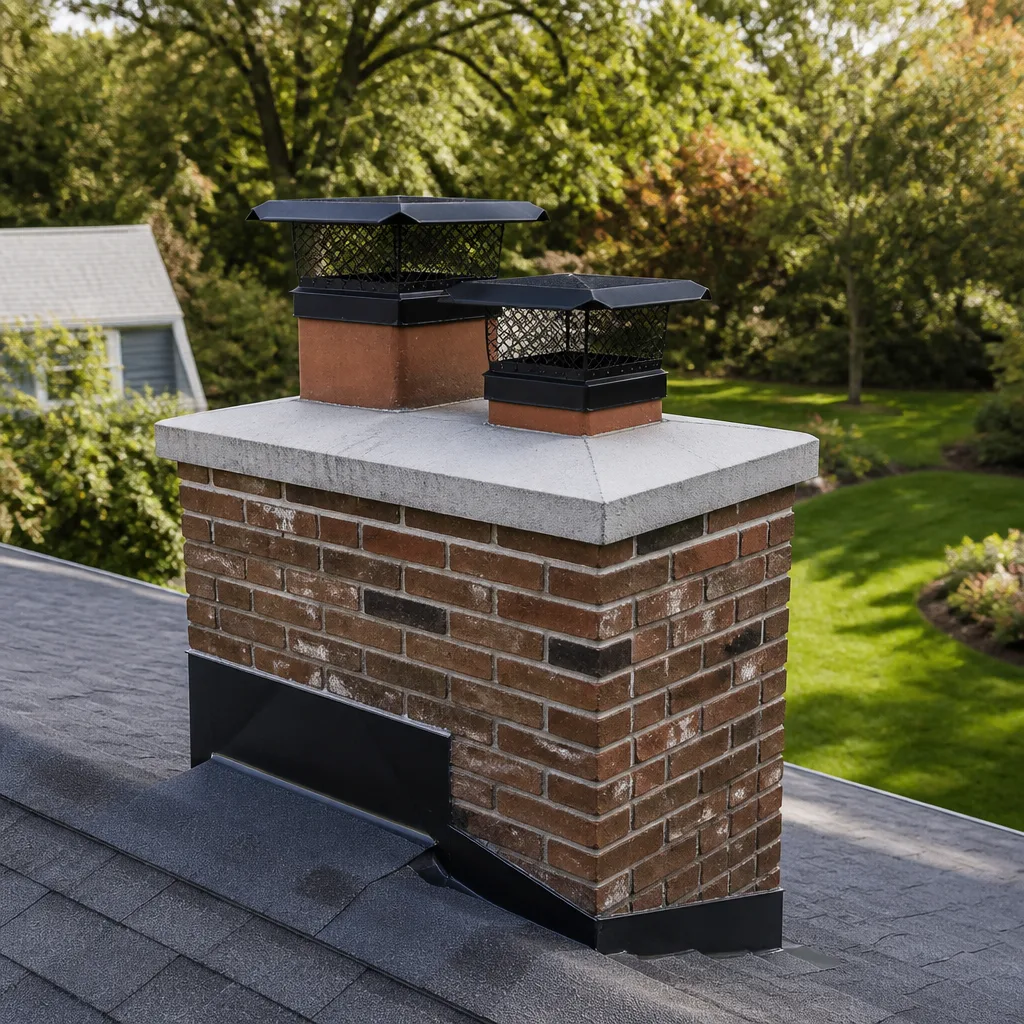
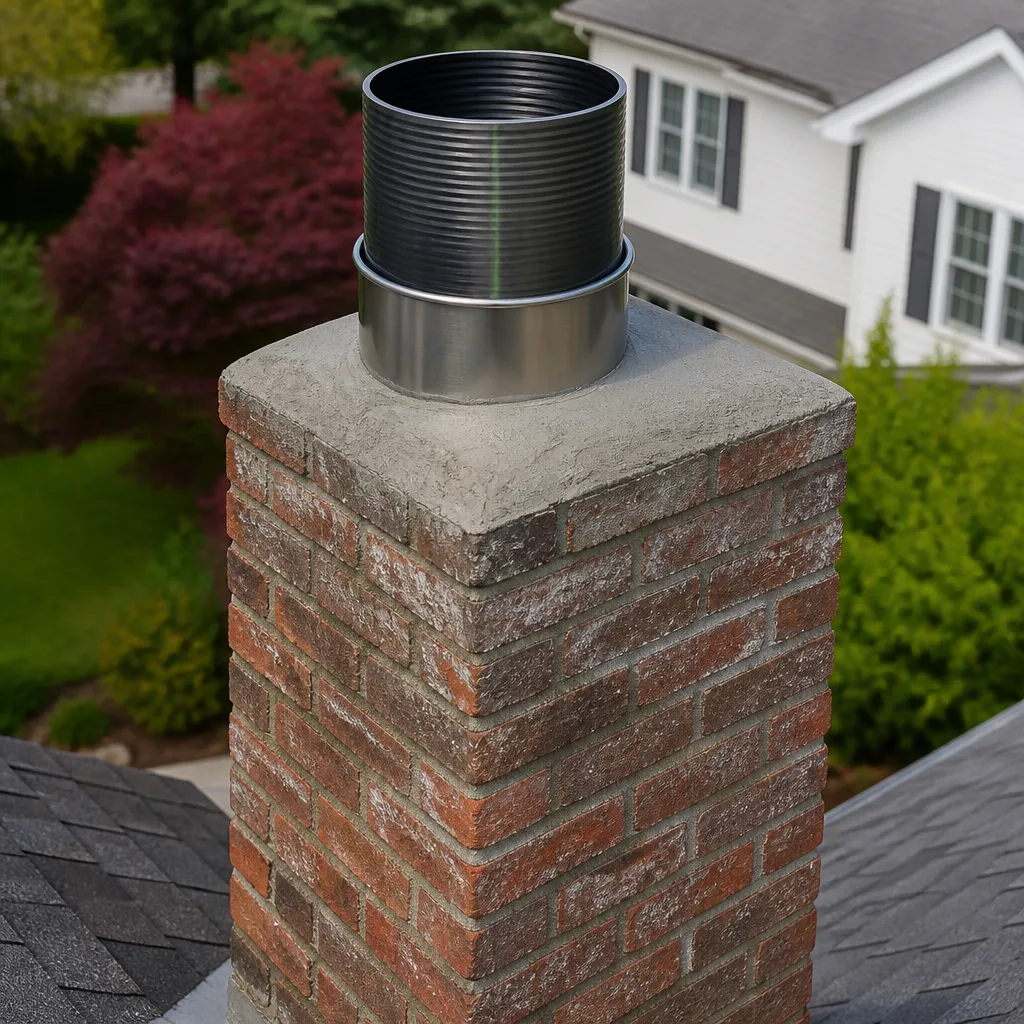
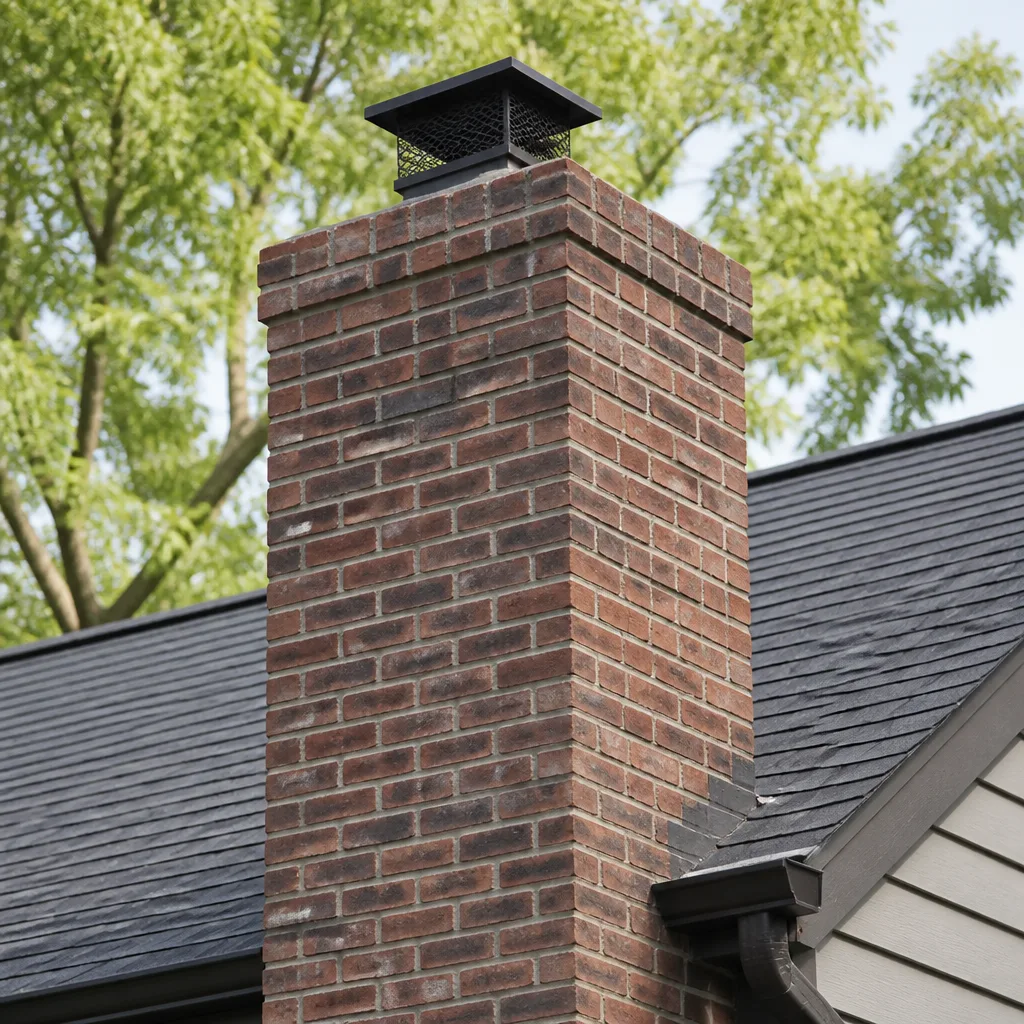
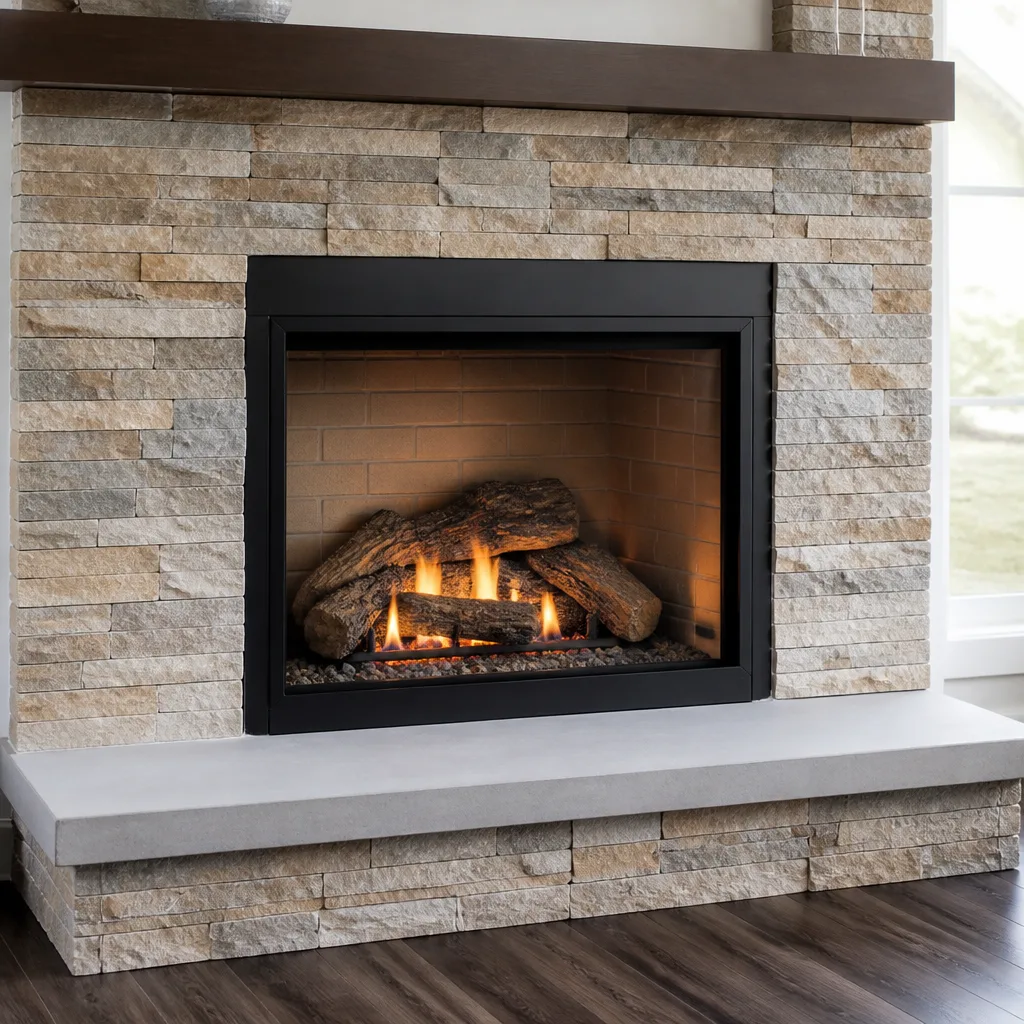
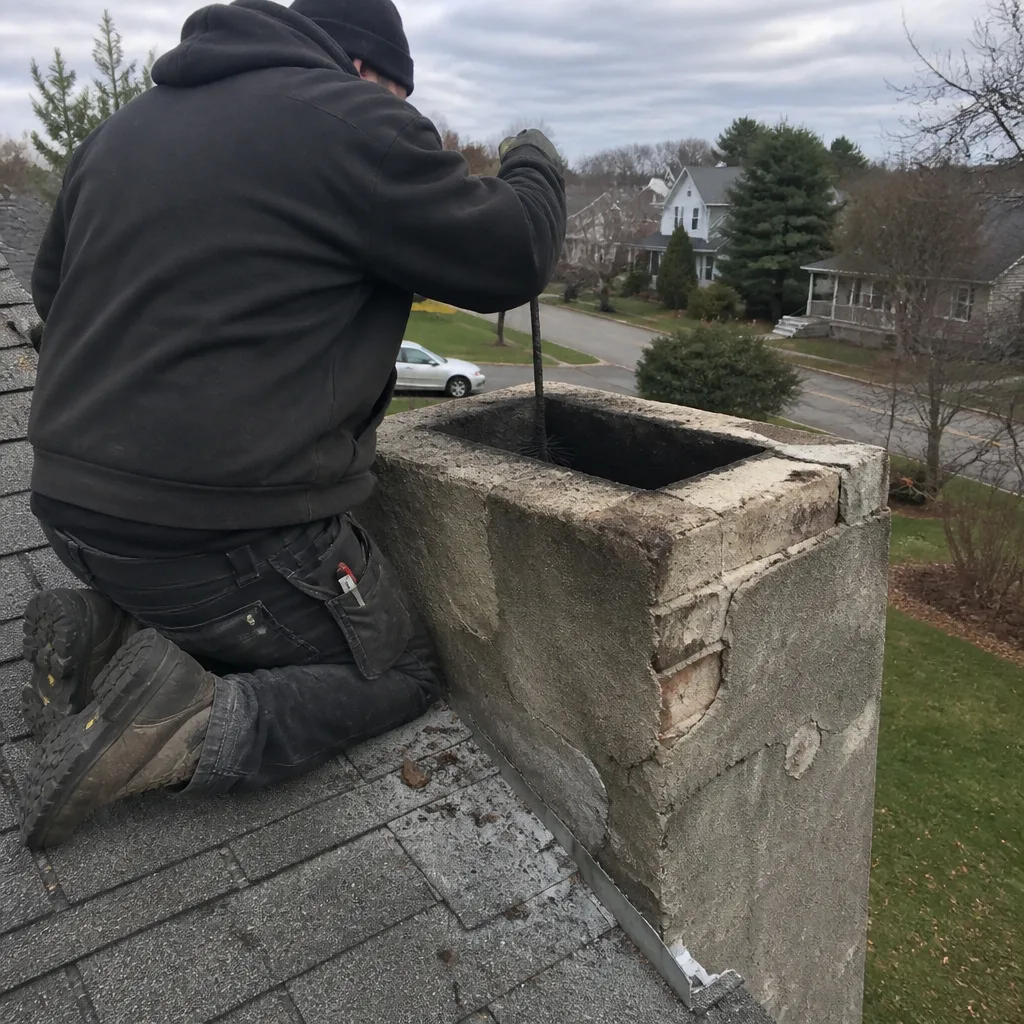 Before
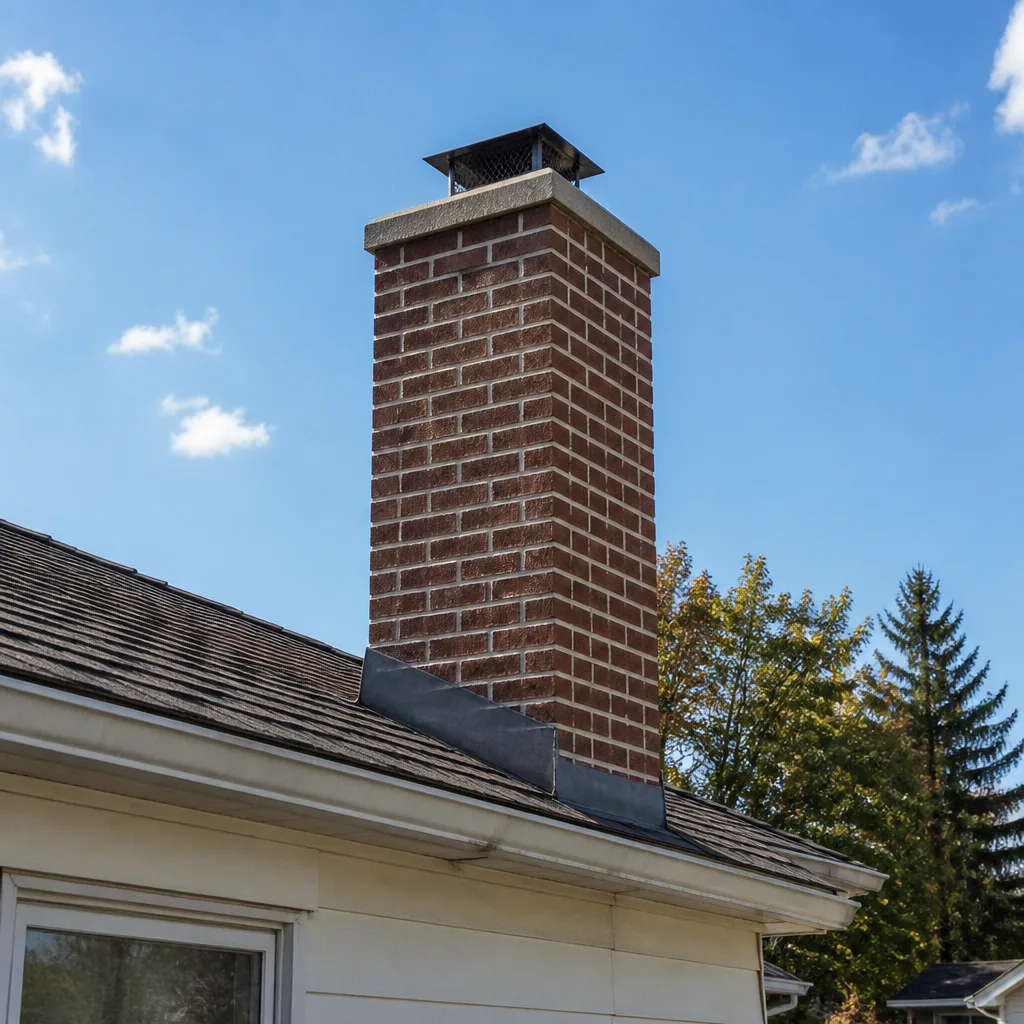 After
After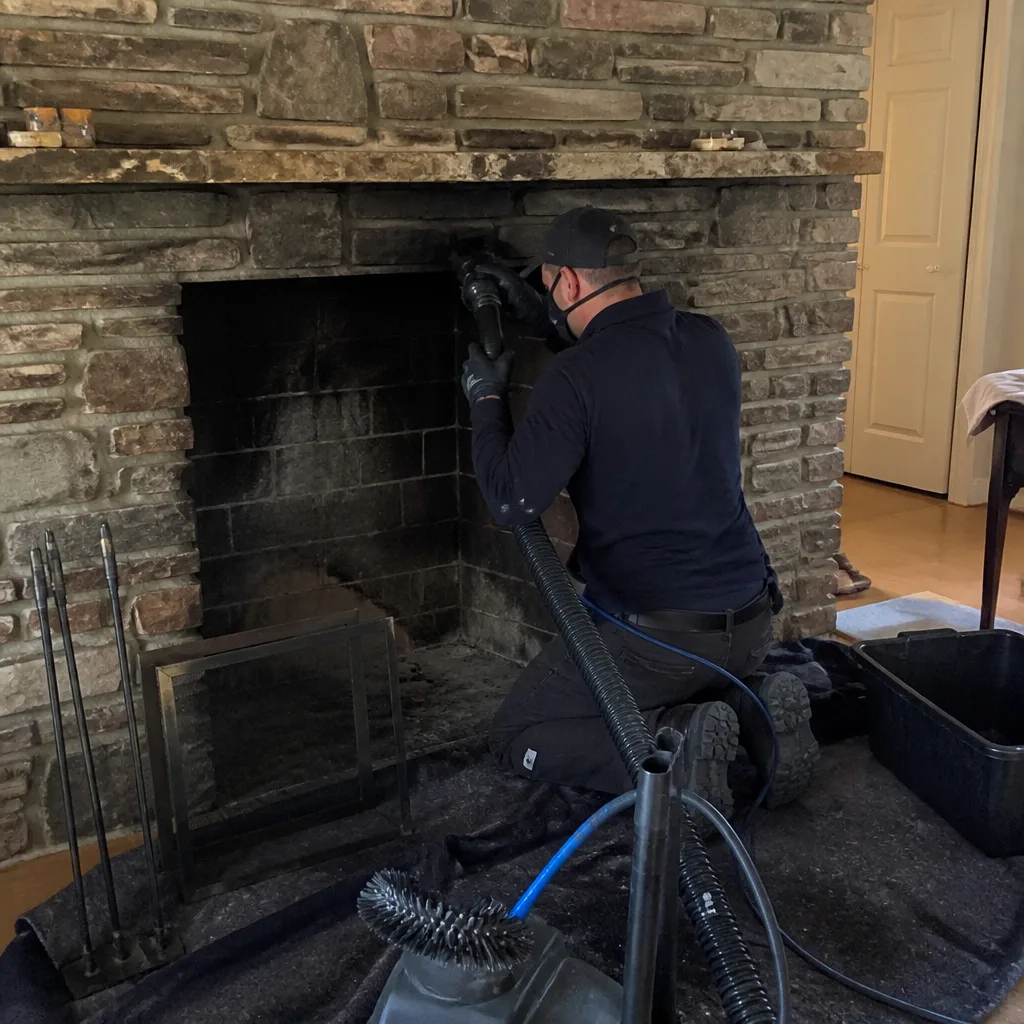 Before
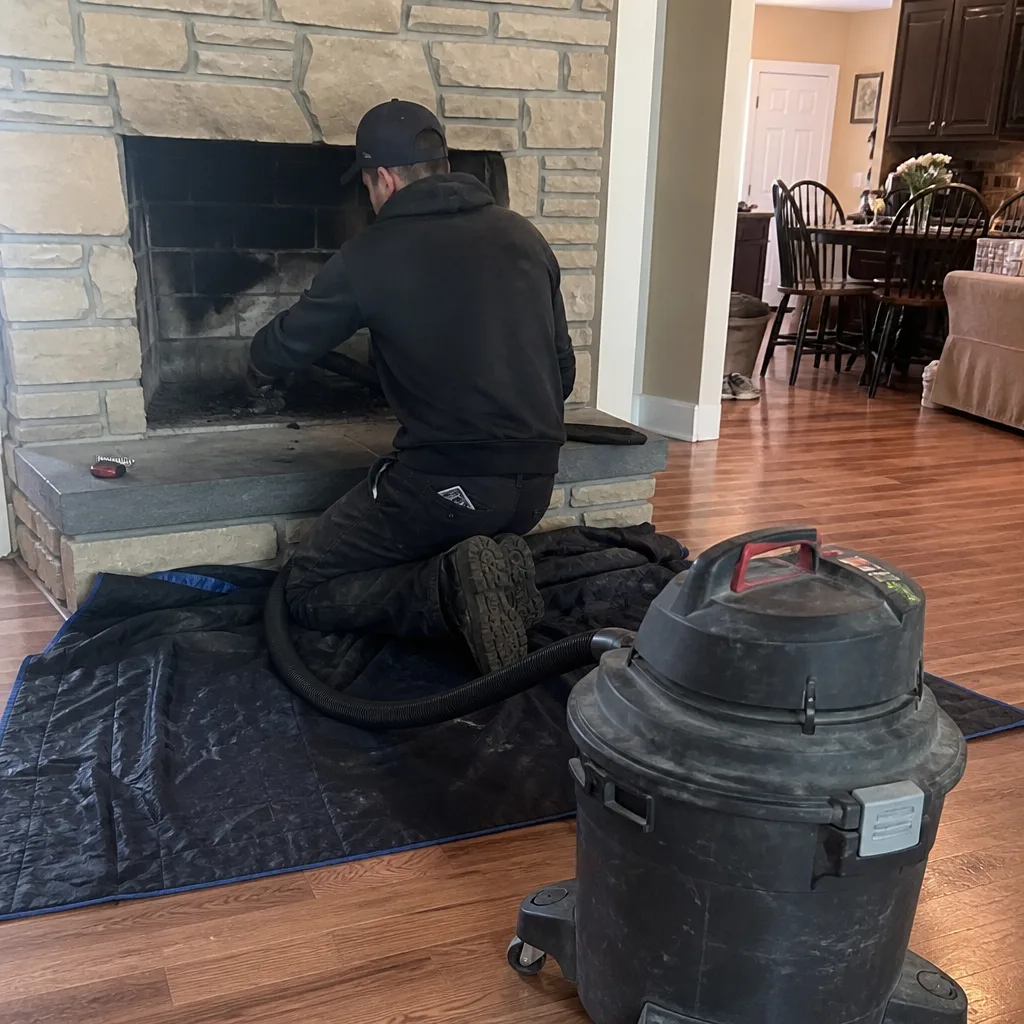 After
After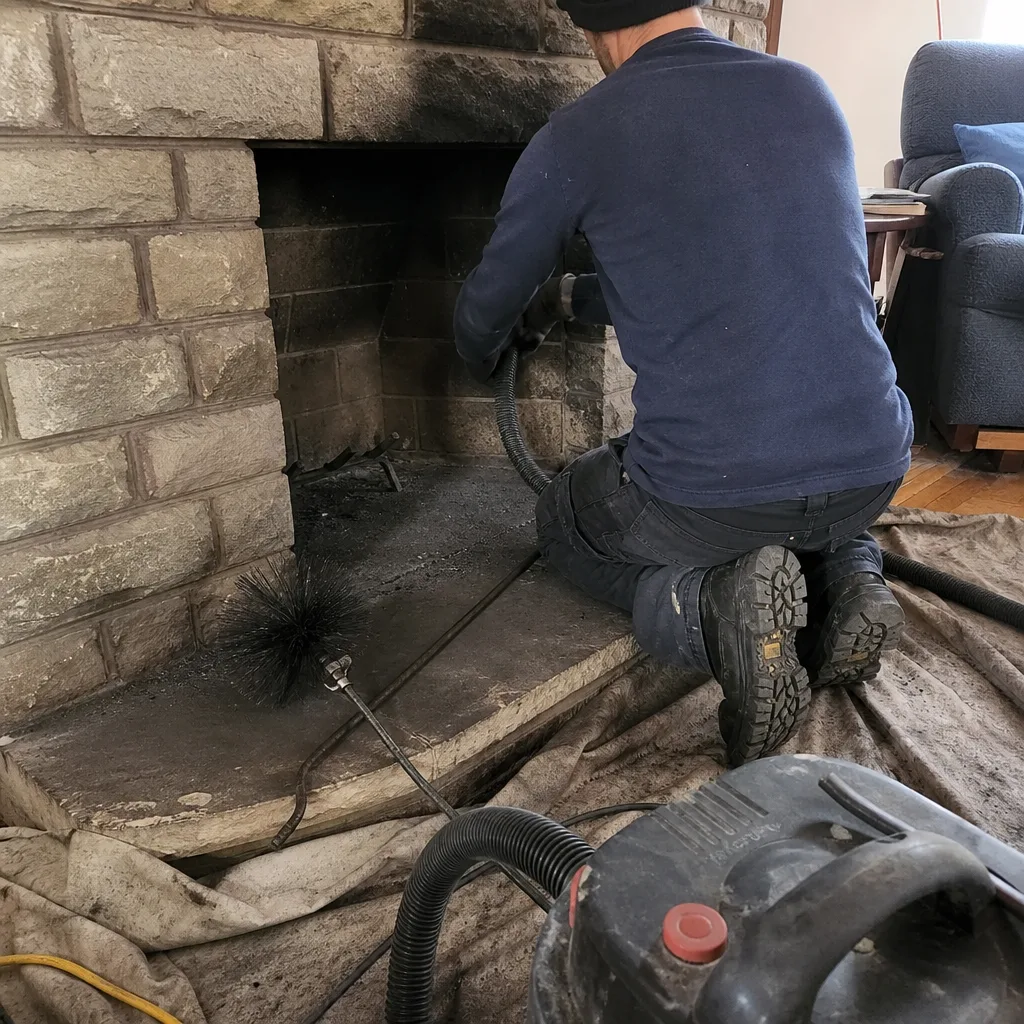 Before
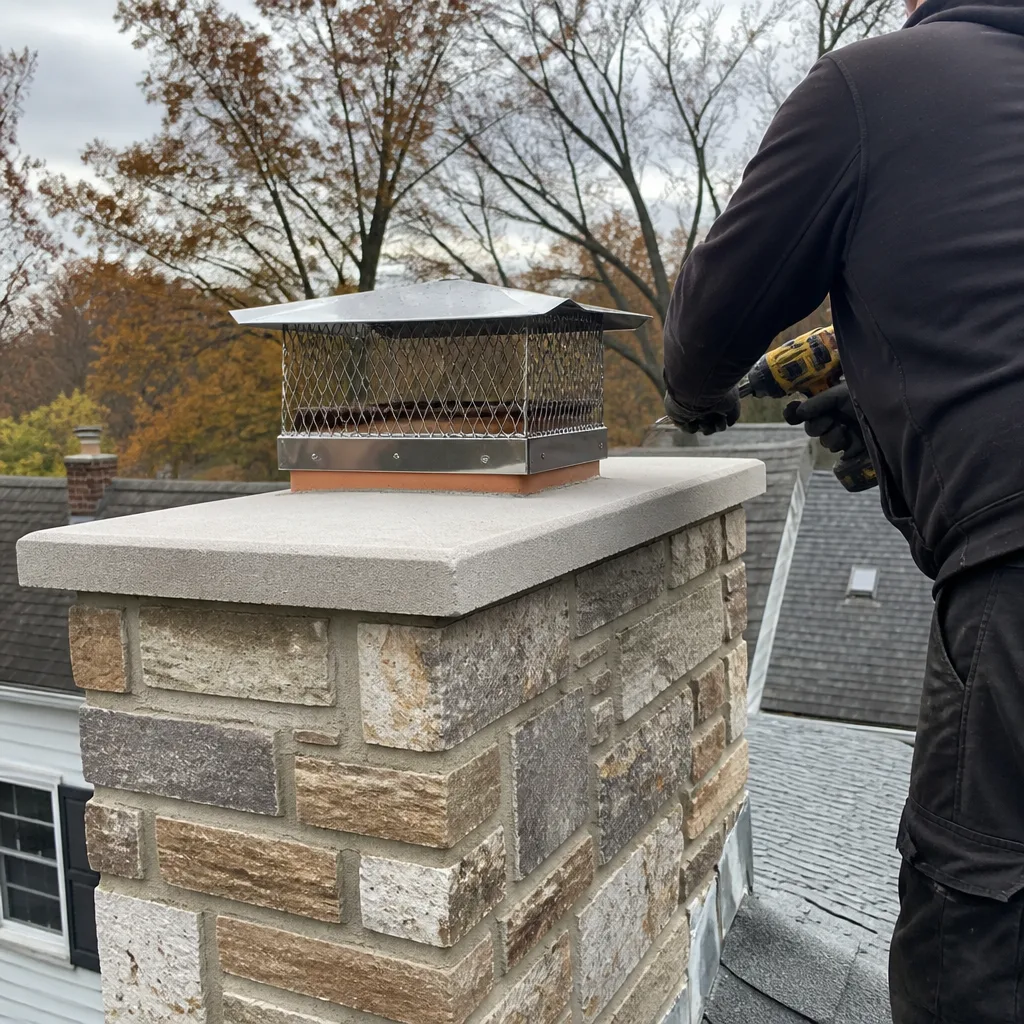 After
AfterChimney Cleaning Warning Signs: A Bethlehem Homeowner’s Reference Guide
A chimney fire can burn at over 2,000°F and a homeowner may not know it happened until a sweep finds cracked liner tiles months later. The fire itself was silent and brief. In Bethlehem, where the housing stock includes stone farmhouses from the 1700s, post-war brick ranches in West Bethlehem, and center-hall colonials throughout Hanover Township, chimneys have endured freeze-thaw cycles for generations. Most guides list the obvious warnings: smoke backing up, visible soot, flames where they don’t belong. For more guides & resources on chimney maintenance, see our blog. By then, the damage is done. This guide documents the quieter, earlier signs - the ones that separate a $189 sweep from a $4,000 liner replacement.
Quick Answer
The earliest warning signs that your Bethlehem chimney needs professional attention include white mineral staining on exterior brick (efflorescence), a damper that sticks or won’t fully seal, metallic odors during first fires, and a strong creosote smell in summer with no fire burning. These symptoms appear before smoke backs up or visible damage occurs. Catching them early typically means a standard cleaning and inspection; ignoring them often leads to water damage, liner failure, or chimney fires requiring thousands in repairs. See The Complete Guide to Chimney Cleaning in Bethlehem for a full breakdown of what professional service includes.
Table of Contents
- The Silent Fire: What Happens Before You Notice
- Three Early-Stage Signs to Schedule Within 30 Days
- Two Signs That Mean Stop Using the Fireplace Today
- White Staining on Brick: Normal Aging or Active Water Intrusion?
- Pinging and Popping: Normal Thermal Expansion or Danger Signal?
- The Summer Creosote Odor: Bethlehem’s Most Underreported Sign
- Common Mistakes to Avoid
- When to Call a Professional
- Frequently Asked Questions
The Silent Fire: What Happens Before You Notice
We’ve been sweeping chimneys in Bethlehem since 1984, and Russell Haines has trained every technician on the same principle: assume the chimney has a story it hasn’t told yet. A chimney fire does not always announce itself with roaring flames or neighbors calling 911. The majority are slow, contained events that burn inside the flue, driven by ignited creosote deposits. Temperatures spike, liner tiles crack, mortar joints weaken, and the fire extinguishes itself for lack of fresh fuel. The homeowner smells nothing unusual. The fire department never comes.
What remains is structural damage that worsens with every subsequent fire. Cracked terracotta liner tiles can no longer contain heat or protect surrounding framing. Gaps in mortar allow creosote to accumulate in wall cavities. In Bethlehem’s older homes, particularly the stone and brick structures in the historic district north of Broad Street, chimneys were often built without liners at all, or with parged clay that has degraded over a century of use. These chimneys are especially vulnerable because the masonry itself absorbs heat that a modern liner would reflect.
The signs of a past silent fire are discoverable only through inspection: spalled liner tiles visible with a camera, heat-discolored mortar, or a light, ashy residue distinct from normal soot. This is why chimney cleaning and sweep in Bethlehem includes a Level-2 camera inspection as standard practice at Hearthstone. We document what we find with photos you can see and a plain-English verdict. No guessing. No scare tactics. Just the condition of your flue, stated clearly.
Homeowners in Bethlehem’s hill neighborhoods - Fountain Hill, South Side slopes, the heights above Monocacy Creek - should be particularly attentive. Steeper roof pitches and exposed chimney stacks face more wind-driven rain and temperature swings. The stress on masonry accelerates, and silent fire damage compounds with weather damage faster than in sheltered locations.
Three Early-Stage Signs to Schedule Within 30 Days
These symptoms do not require stopping use immediately, but they do require action within the month. Each indicates a developing condition that a standard sweep and inspection can address before it escalates.
1. White Staining on Exterior Brick (Efflorescence)
That chalky white film on the outside of your chimney is not cosmetic. It is mineral salt deposited by water moving through the masonry, evaporating at the surface, and leaving behind calcium and sodium compounds. In Bethlehem, where winter temperatures oscillate above and below freezing for weeks, water trapped in brick undergoes repeated expansion and contraction. The brick faces spall. Mortar joints erode. Eventually, water reaches the flue liner.
Efflorescence differs from normal weathering in three ways: it returns after washing, it appears in concentrated patches rather than uniform discoloration, and it is accompanied by powdery texture rather than smooth grime. We’ll distinguish these in detail in the section below.
2. Damper That Sticks or Won’t Fully Seal
The damper is the metal plate that opens to let smoke exit and closes to keep heated air from escaping when the fireplace is not in use. A damper that requires force to open, that hangs crooked, or that leaves a visible gap when closed has either corroded, warped, or become obstructed with creosote buildup. In Bethlehem’s humid summers, rust is common on older cast-iron dampers, particularly in homes near the Lehigh River where moisture lingers.
A failing damper does more than waste energy. An incomplete seal allows downdrafts to carry creosote odor into living spaces. It admits rain and animals. Most critically, it signals that the flue above it has conditions worth inspecting: the same moisture or creosote accumulation affecting the damper is coating the liner.
3. Metallic Smell During First Fires of the Season
The first fire of autumn should smell like wood smoke, not like a hot radiator or welding shop. A metallic odor indicates that creosote deposits have oxidized and hardened over the off-season, or that the liner itself has deteriorated to expose metal components. In some Bethlehem homes with stainless steel insert liners, this smell can also mean the liner has separated from its collar or developed a gap.
This is not an emergency, but it is a hard deadline. The chimney needs inspection before the heating season intensifies. Continuing to burn with this symptom risks igniting the hardened creosote layer that is producing the smell.
Our fireplace services in Bethlehem include damper repair and replacement using professional-grade components from Famco and Copperfield, installed with the same no-hassle upfront pricing we apply to every job.
Two Signs That Mean Stop Using the Fireplace Today
These conditions present immediate hazard. Do not light another fire. Do not assume the problem will resolve. Call for inspection before using the chimney again.
Visible Cracking at the Firebox Throat
The firebox throat is the angled area above the fire where the chimney narrows into the flue. Cracks here - whether in refractory panels, mortar joints, or surrounding brick - allow heat to reach combustible framing directly. This is not a theoretical risk. The National Fire Protection Association identifies firebox throat failure as a leading cause of house fires originating in chimneys.
In Bethlehem, we see this most often in homes where homeowners have burned pressed logs, gift-wrapped paper, or construction scraps. These materials burn hotter than seasoned hardwood and exceed the temperature rating of factory-built firebox components. We also find throat damage in homes with vent-free gas logs installed without proper clearance adjustments, a common issue in 1960s and 1970s ranches around Bethlehem Township.
If you see cracking, discoloration, or missing mortar in the throat area, the fireplace is out of service until repaired. Chimney repair in Bethlehem from Hearthstone includes throat rebuilding with HeatShield refractory mortar, rated to 2,500°F and applied to manufacturer specifications.
Smoke in Living Spaces During a Properly Drafted Fire
Smoke that enters the room during a fire - not backdraft from a cold start, but persistent smoke with established flame - indicates a breach in the flue or a blocked chimney. Possible causes include collapsed liner tiles, bird or squirrel nests, or structural failure that has opened a gap between flue and framing.
The critical distinction: backdraft from a cold flue on a damp day is common and correctable by warming the flue with a rolled newspaper or by cracking a window to equalize pressure. Smoke during an established, hot fire is never normal. If opening a window does not clear it within two minutes, extinguish the fire and call for emergency inspection.
Carbon monoxide is the invisible companion to visible smoke. A breached flue can exhaust CO into wall cavities and upstairs bedrooms without producing smoke at all. Every Bethlehem home with a fireplace should have CO detectors on every sleeping level, tested monthly. This is not advice we offer lightly; it is a non-negotiable safety standard.
White Staining on Brick: Normal Aging or Active Water Intrusion?
Bethlehem homeowners often ask whether the white patches on their chimney need attention or are simply part of an old house’s character. The answer depends on what the staining is, where it appears, and what accompanies it.
Normal weathering produces gradual, uniform lightening of brick color. It may include superficial dirt or pollen accumulation that washes away with rain. The brick surface remains smooth. There is no powdery residue.
Efflorescence appears in distinct patches, often at mortar joints or where the chimney meets the roofline. It has a chalky, crystalline texture. It returns after cleaning because the source is water moving through the masonry from inside, not surface contamination.
To distinguish them, perform this simple check: dampen a finger and rub the stained area. Normal grime smears. Efflorescence dissolves into a slippery, soapy film and re-crystallizes as it dries.
Where efflorescence appears matters. Staining on the chimney exterior below the roofline suggests flashing failure or crown cracks. Staining on the chimney interior wall, visible in the attic, indicates a breached liner allowing condensation into the structure. Staining concentrated at the base of the chimney, where it meets the foundation, may mean groundwater wicking upward through porous mortar - common in Bethlehem’s older homes with stone foundations and no damp-proofing.
The urgency: efflorescence that appears suddenly, spreads rapidly, or is accompanied by interior wall staining requires inspection within two weeks. Slow, stable efflorescence that has not changed in years still warrants annual monitoring but does not demand immediate action. In either case, the underlying water source must be identified. Hearthstone’s Level-2 inspection includes moisture assessment of accessible chimney structure, with photos you can see and a plain-English verdict on whether the condition threatens the flue.
For crown and flashing repairs, we use professional-grade materials from DuraFlex and Gelco, specified to withstand Bethlehem’s freeze-thaw cycles rather than the builder-grade sealants that fail within two seasons.
Pinging and Popping: Normal Thermal Expansion or Danger Signal?
All chimneys make some sound as they heat and cool. Metal dampers tick. Brick and mortar expand microscopically. A gentle, rhythmic tapping as the flue warms is normal and harmless. What requires attention is sharp, irregular pinging or popping that occurs during active burning, particularly if it is new or has increased in frequency.
This sound typically indicates one of three conditions:
- Spalling liner tiles. Terracotta flue tiles expand when heated. If they are cracked or if water has penetrated behind them, fragments can break away and fall, striking other tiles or the metal damper below. The sound is sharp and metallic, like a pebble hitting a tin roof.
- Moisture flash-boiling in creosote deposits. Thick, glazed creosote layers trap water from humid combustion air or prior rain intrusion. When fire heats these deposits, water converts to steam rapidly, creating popping sounds and sometimes visible spitting from the firebox. This is a direct precursor to chimney fire; the glazed creosote is highly combustible.
- Separating metal liner components. Stainless steel liners in Bethlehem’s retrofit installations expand significantly more than terracotta. If the liner was not properly secured at the top and bottom, expansion can cause the collar to shift against the damper assembly, producing a rhythmic clank rather than a ping.
The diagnostic question: does the sound stop once the chimney is fully warm, or does it continue? Normal thermal expansion sounds diminish after 15-20 minutes of burning. Persistent or intensifying sounds demand inspection.
We documented a case in Bethlehem’s Historic Moravian District where a homeowner reported “a few pops” for two seasons. Camera inspection revealed a vertical crack in the flue liner that had widened to allow direct flame contact with the wooden chimney chase. The repair required liner replacement and chase reconstruction. The pops had been spalling tile fragments. Early intervention would have limited the repair to a standard sweep and liner patching with HeatShield.
The Summer Creosote Odor: Bethlehem’s Most Underreported Sign
The single most common call we receive in July and August - not from new customers, but from longtime Bethlehem homeowners who have used their fireplace for decades - begins with some version of: “There’s a strong tar smell in the house and we haven’t had a fire since April.”
This is not imagination. It is not a dead animal in the flue. It is creosote, accumulated over years of burning, reacting to summer heat and humidity. The chemistry is straightforward: creosote is acidic and hygroscopic, meaning it absorbs moisture from humid air. As it hydrates, it releases volatile compounds that produce the characteristic sharp, tar-like odor. Warm air rises through the chimney stack, and if the damper does not seal completely, that odor enters the living space.
Why this matters beyond discomfort: the odor indicates a substantial creosote deposit that has likely reached Stage 2 or Stage 3 glazing. Stage 1 creosote is sooty and brushes away easily. Stage 2 is crunchy and porous. Stage 3 is glossy, hardened, and requires mechanical removal with chains or rotary whips. Stage 3 deposits are the fuel for chimney fires. A homeowner who smells creosote in summer has, in most cases, a fire hazard waiting for the first cold night.
Bethlehem’s climate amplifies this problem. The Lehigh Valley’s humidity peaks in July and August, and many older homes lack central air conditioning or have window units that do not dehumidify effectively. Basements stay damp. Chimneys in interior walls, common in center-hall colonials, stay warmer than exterior chimneys and accelerate creosote off-gassing.
The odor also localizes the problem. A smell strongest in an upstairs bedroom suggests the chimney chase passes through that wall cavity and may have a breach. A smell concentrated near the fireplace indicates damper failure. A smell throughout the house points to negative pressure from whole-house fans or HVAC systems pulling air down the chimney.
Our recommendation is unambiguous: if you smell creosote when no fire is burning, schedule inspection before the heating season. The sweep will remove the deposit, assess how it reached hazardous thickness, and document liner condition with camera photos. In most Bethlehem homes, this is a single-visit service with no-hassle upfront pricing. The number on the estimate is the number on the invoice.
For homes with persistent odor issues, we may recommend a top-sealing damper from Copperfield or a stainless steel chimney cap with integrated damper from Famco, depending on the chimney configuration. These seal more effectively than traditional throat dampers and reduce summer air infiltration significantly.
Common Mistakes to Avoid
- Assuming a gas fireplace needs no chimney maintenance. Gas appliances produce water vapor and corrosive condensation. The liner degrades differently than with wood burning, but it degrades. Annual inspection applies to all fuel types.
- Judging creosote buildup by what falls into the firebox. The dangerous accumulation is on the flue walls above the damper, invisible without a camera. A clean firebox means nothing about flue condition.
- Using chimney cleaning logs as a substitute for sweeping. These products may loosen light deposits but cannot remove glazed creosote and provide no inspection of liner condition. They are a supplement, not a replacement.
- Hiring based on the lowest coupon price. In Bethlehem, we’ve corrected work from sweeps who spent twenty minutes with a shop vacuum and left the glazed creosote intact. A proper sweep with Level-2 inspection takes 60-90 minutes. The difference shows up in the photos.
- Ignoring neighborhood-specific risks. Homes near Bethlehem’s former steel mill sites, particularly in South Side and the 18015 zip code, may have additional sulfur compounds in masonry from decades of industrial air exposure. This accelerates mortar deterioration and requires more frequent inspection.
- Waiting for visible smoke before calling. By the time smoke enters the room, the chimney has already failed. The signs in this guide appear months or years earlier.
- Neglecting the exterior inspection. Crown cracks, missing mortar caps, and deteriorated flashing are visible from the ground with binoculars. A homeowner who checks these seasonally catches problems before water enters the flue.
When to Call a Professional
Call the same day if you observe smoke in living spaces during an established fire, visible cracking at the firebox throat, or a pinging sound that intensifies rather than diminishes as burning continues. These conditions present active hazard.
Schedule within 30 days for white staining on exterior brick, a damper that sticks or fails to seal, metallic odors during first fires, or strong creosote smell in summer. These are developing conditions that standard service can resolve before they escalate.
Arrange annual inspection if your chimney has no active symptoms but serves a wood-burning appliance. The National Fire Protection Association Standard 211 recommends annual Level-1 inspection for all chimneys, fireplaces, and vents. In Bethlehem, where heating degree-days exceed 5,000 annually and fireplaces see heavy winter use, this schedule is a minimum, not an abundance of caution.
Hearthstone Chimney Co. offers free estimates in Bethlehem. A live person answers every call, 24 hours a day, 7 days a week - not a voicemail, not a callback queue. Our background-checked, uniformed technicians complete most jobs in a single visit, and every inspection ends with photos you can see and a plain-English verdict. Call (610) 595-5754 to schedule. The 90-Day Done Right Promise applies to every job: if it’s not right, we make it right, in writing, with no arguing.
Frequently Asked Questions
A standard chimney cleaning and Level-2 camera inspection in Bethlehem typically ranges from $189 to $289, depending on flue accessibility, creosote condition, and whether the chimney serves a fireplace, insert, or heating appliance. Heavy glazed creosote requiring mechanical removal may add $100 to $150. Hearthstone provides no-hassle upfront pricing before any work begins. Call (610) 595-5754 for an exact quote - estimates are free.
The National Fire Protection Association recommends annual inspection for all chimneys, with cleaning as needed based on creosote accumulation. In Bethlehem’s climate, where fireplaces burn four to five months annually and many homes rely on wood as supplemental or primary heat, most chimneys require sweeping every year. Heavy use - more than three cords of wood per season - may warrant mid-season inspection. Gas and oil flues should also be inspected annually for condensation damage and liner deterioration, though they typically need less frequent cleaning.
It depends on the damage type and extent. Cracked terracotta tiles can often be repaired with HeatShield resurfacing if the cracks are vertical, limited in number, and the surrounding structure is sound. Missing tiles, horizontal cracking, or gaps between tiles generally require liner replacement with a stainless steel system from DuraFlex or Olympia Chimney. We never recommend replacement without camera evidence you can see yourself. In our experience, about 40% of Bethlehem chimneys flagged for “liner replacement” by other sweeps can be repaired instead. Our free second opinion on any written estimate ensures you get the full picture.
Skipped maintenance leads to progressive creosote accumulation, which increases chimney fire risk and reduces draft efficiency. Water intrusion through unmaintained crowns and flashing degrades mortar and liner, eventually requiring rebuild rather than repair. In Bethlehem’s freeze-thaw climate, a small crown crack left unattended typically expands to require full crown replacement within three to five years. The cost trajectory runs from $189 for preventive sweeping to $3,000-$6,000 for liner replacement or partial rebuild. The safety trajectory runs from controlled, contained combustion to potential house fire or carbon monoxide exposure.
Summer heat and humidity activate creosote deposits that remain inert in dry winter air. The hygroscopic nature of creosote means it absorbs moisture and releases acidic, tar-like compounds. A damper that seals poorly, or no damper at all in some older Bethlehem homes, allows this odor to enter living spaces. The solution is removal of the deposit and improvement of the chimney seal, not air fresheners or chimney deodorants that mask the symptom.
Historic chimneys in Bethlehem’s Moravian District and surrounding stone farmhouses present specific challenges: unlined flues, oversized fireboxes that burn inefficiently, and masonry that has endured centuries of freeze-thaw without modern waterproofing. These chimneys require specialized inspection techniques and repair materials compatible with historic fabric. Hearthstone’s 42 years of local service includes extensive work in Bethlehem’s designated historic districts, with repairs documented to meet preservation standards where required. The principles remain the same: photos you can see, a plain-English verdict, and work done right the first time.
The Bottom Line
The warning signs that matter most are not the dramatic ones. They are the quiet indicators that develop over seasons: white staining that returns after washing, a damper that needs an extra tug, a smell in August that reminds you of November fires. Bethlehem homeowners who learn these signs and act on them spend hundreds on prevention rather than thousands on repair. The chimney does not need your attention because it is failing. It needs your attention so it does not fail. That is the craftsman’s view, and it is the one we’ve held for over 42 years. Done right - and we stand behind it.
Written by Russell Haines, Owner at Hearthstone Chimney Co., serving Bethlehem since 2014.