
Last updated September 10, 2026
Level 1 sweep and inspection to the NFPA 211 annual standard - flue, crown, cap, and flashing checked and photographed
Chimney sweep logs do not sweep chimneys. They loosen some creosote - which then falls where a brush and vacuum still have to collect it.
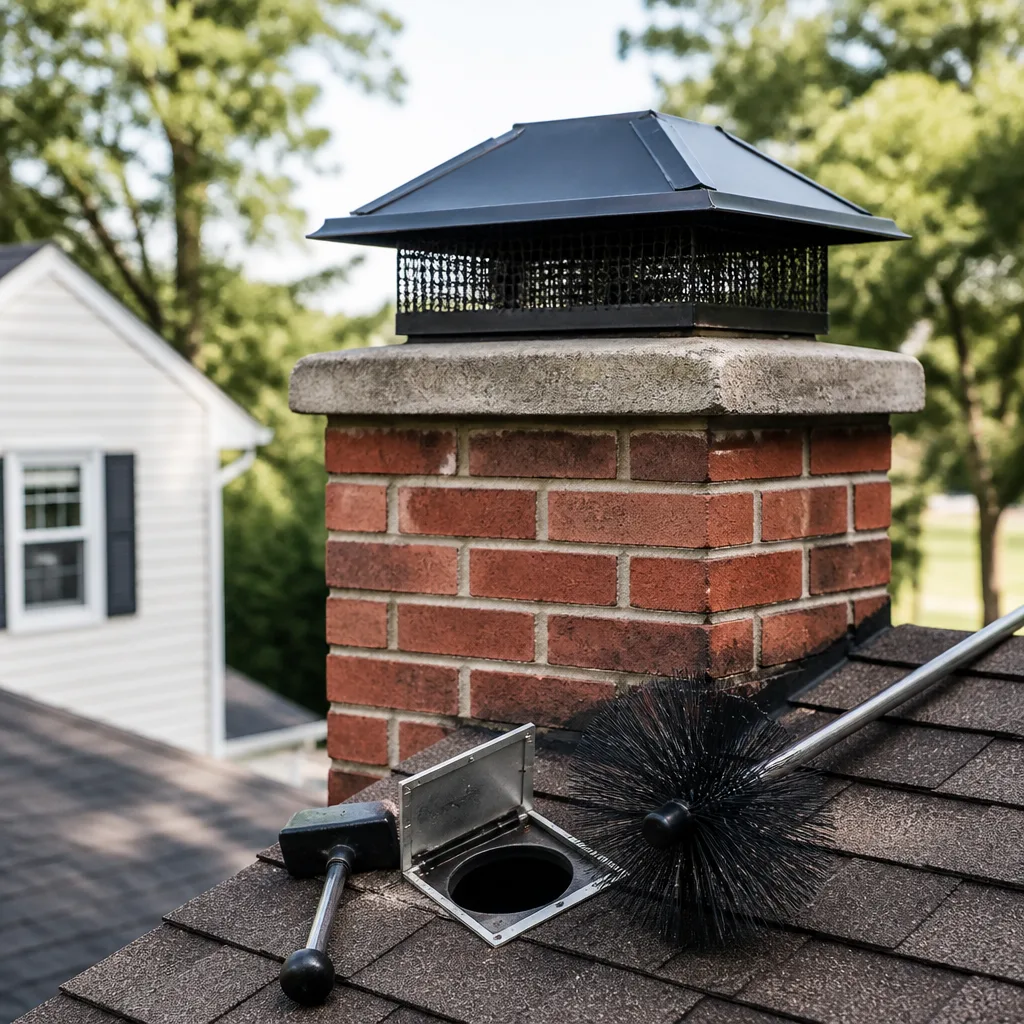
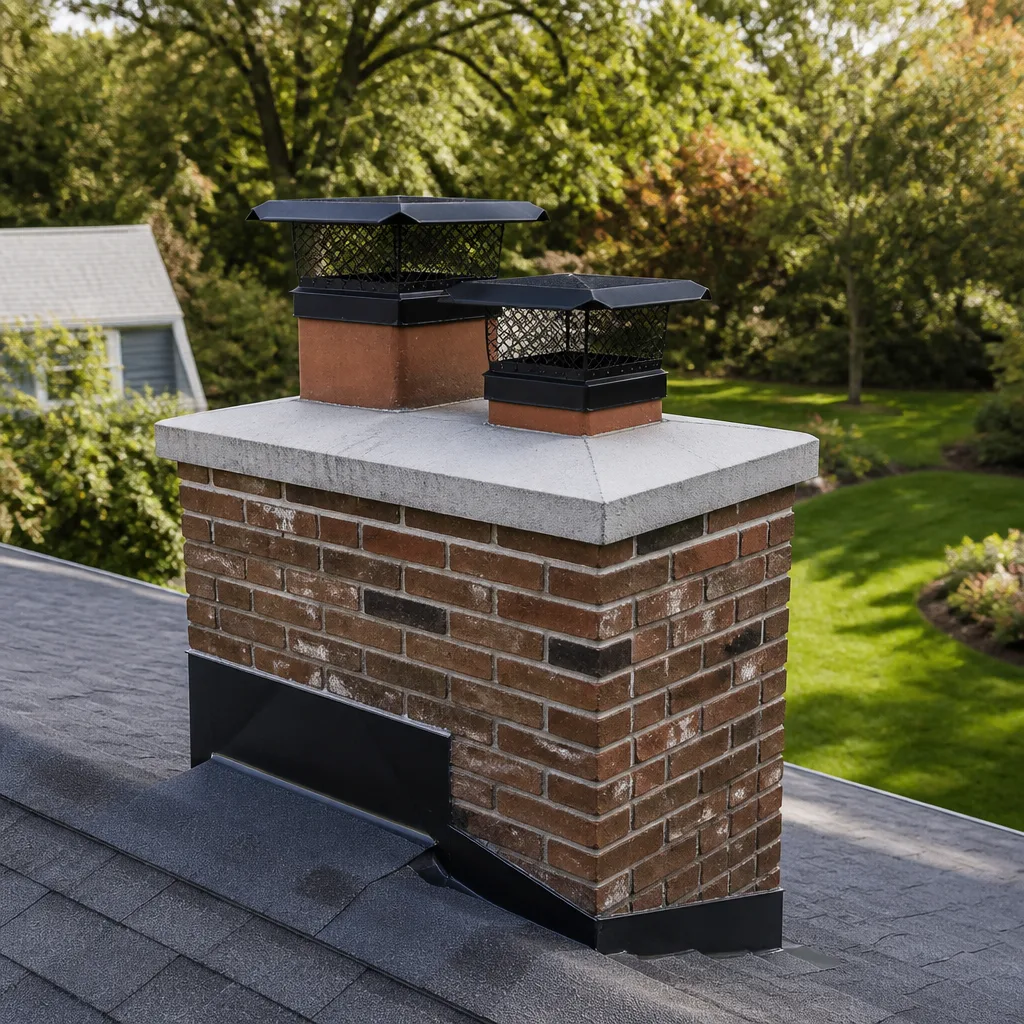
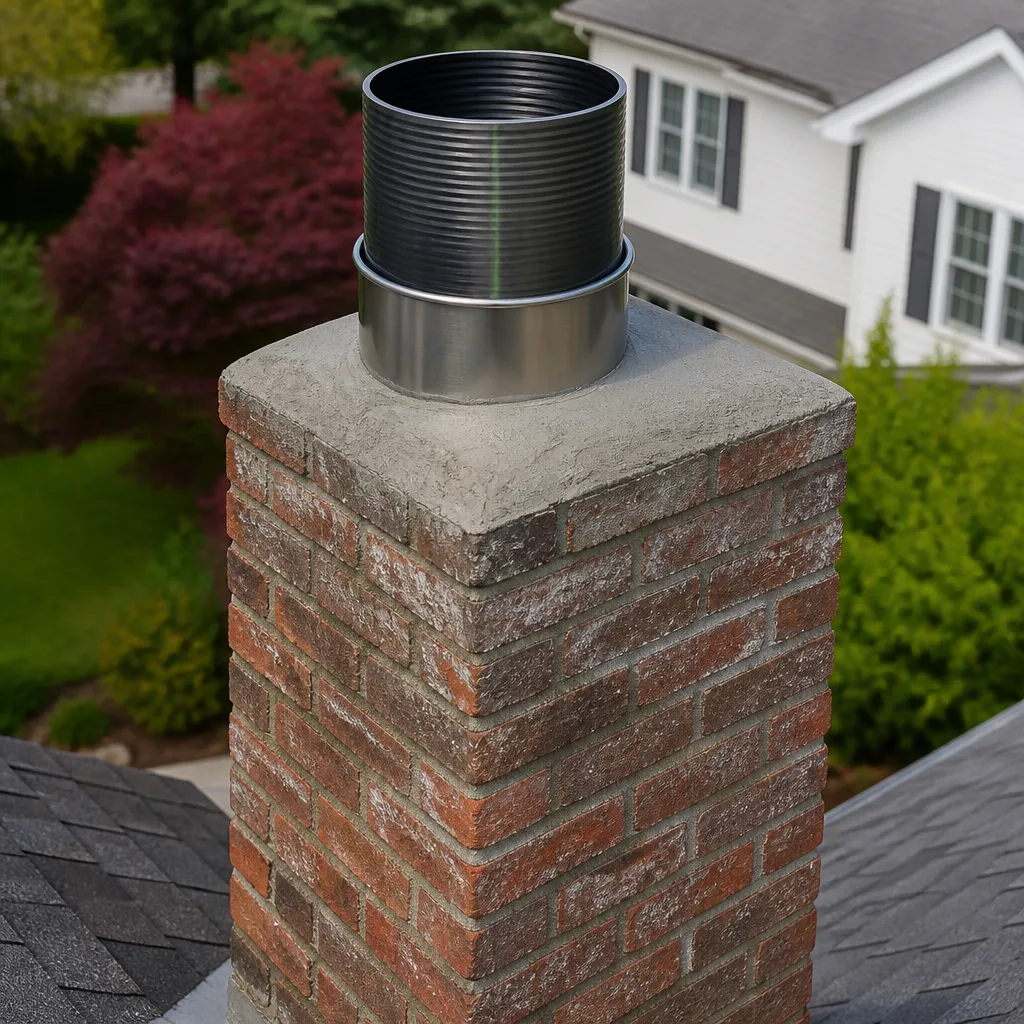
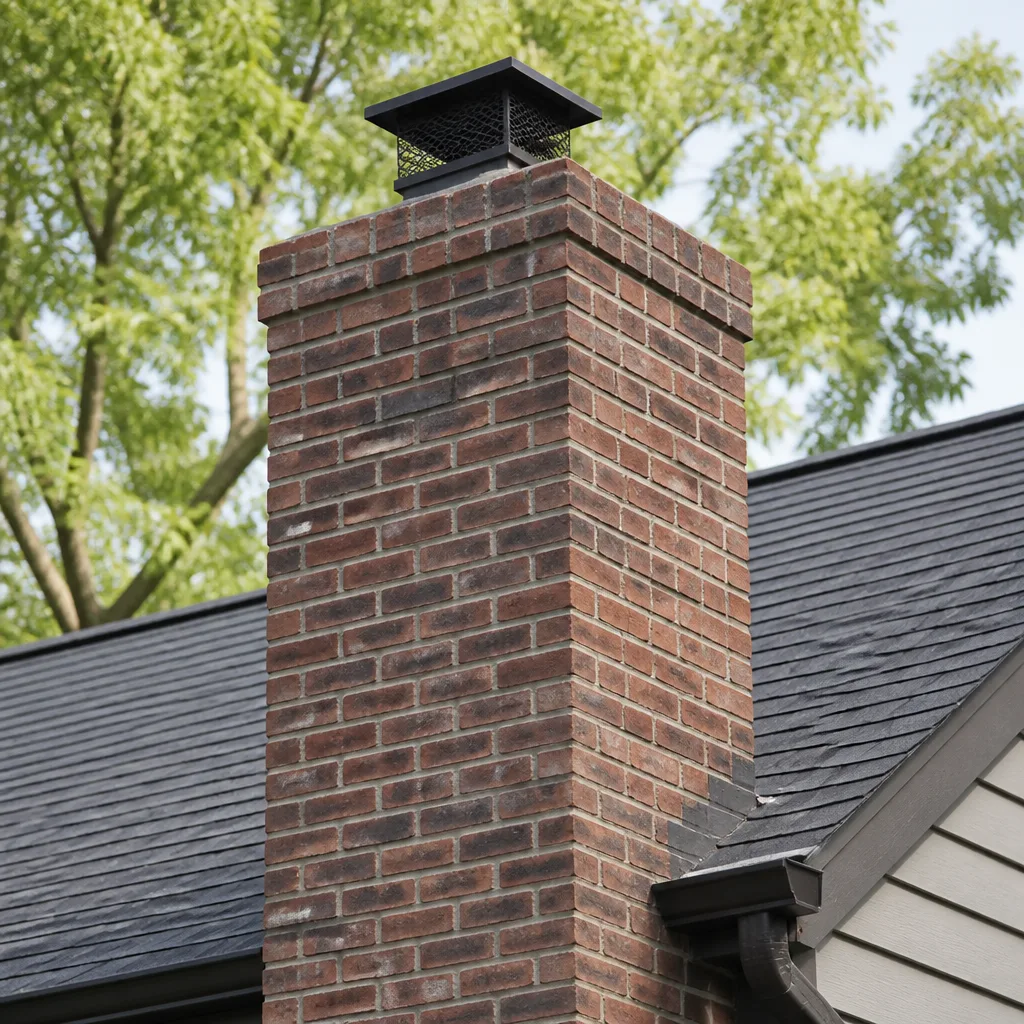
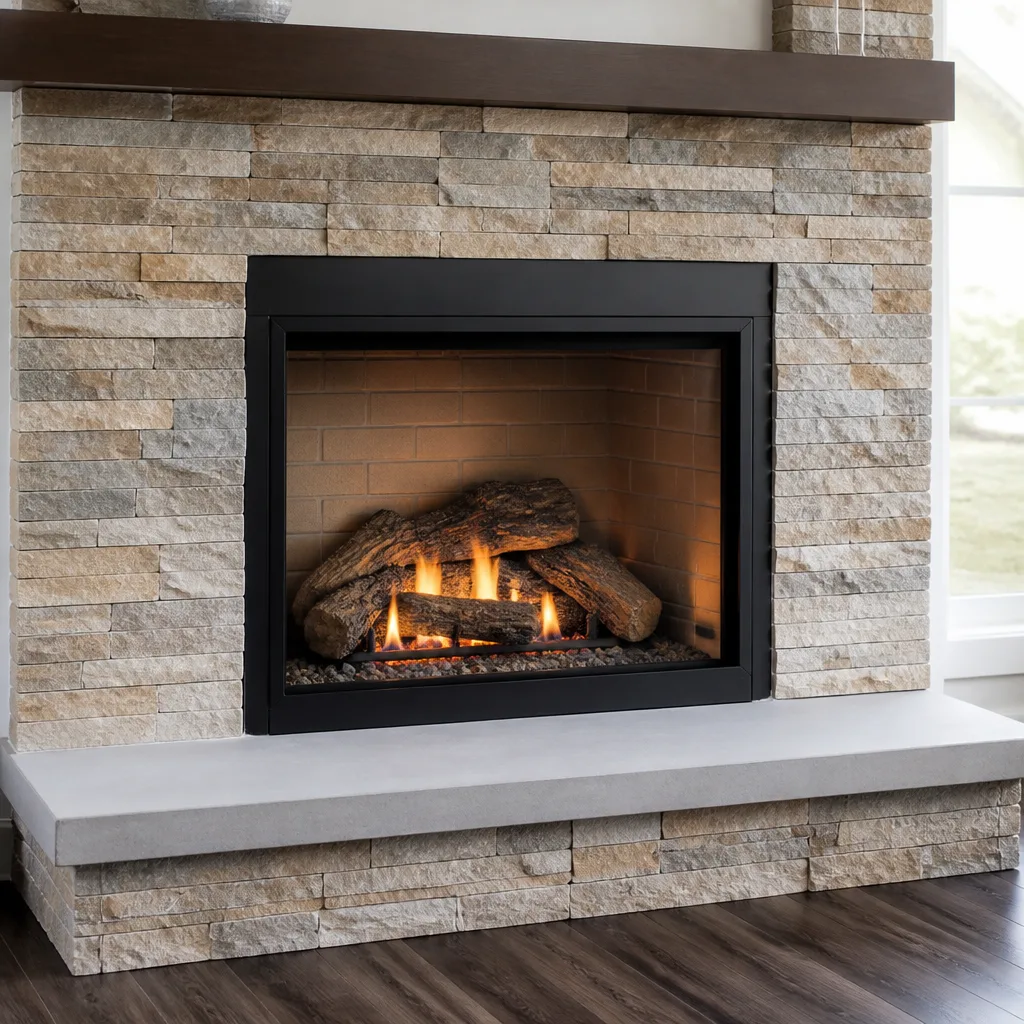
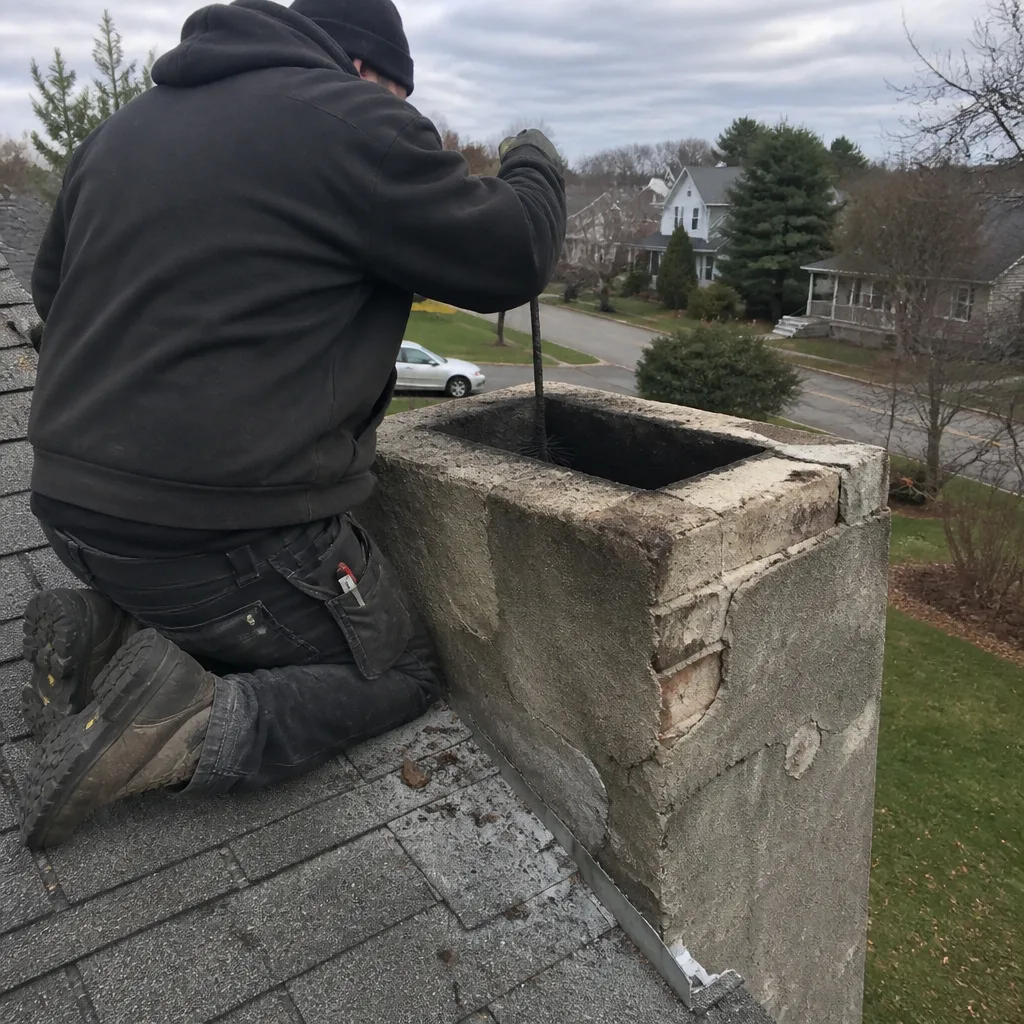 Before
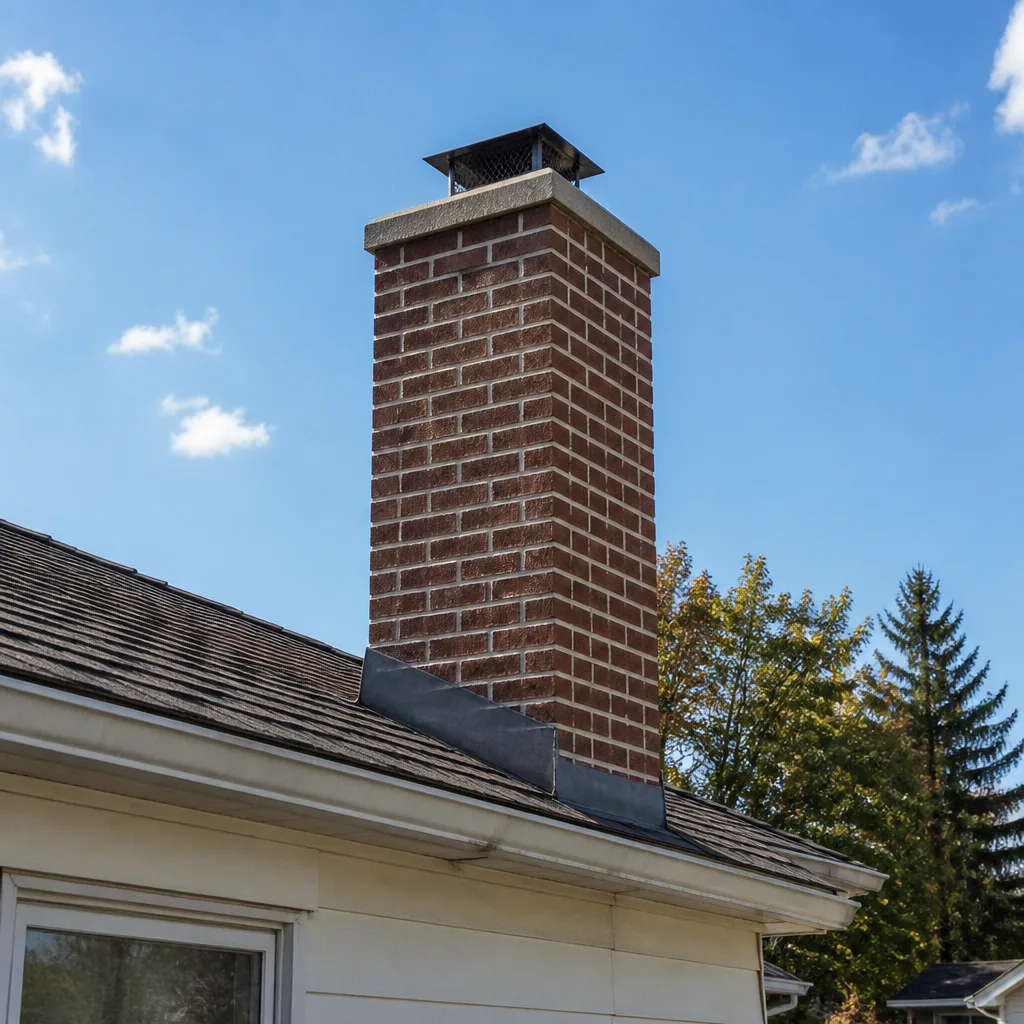 After
After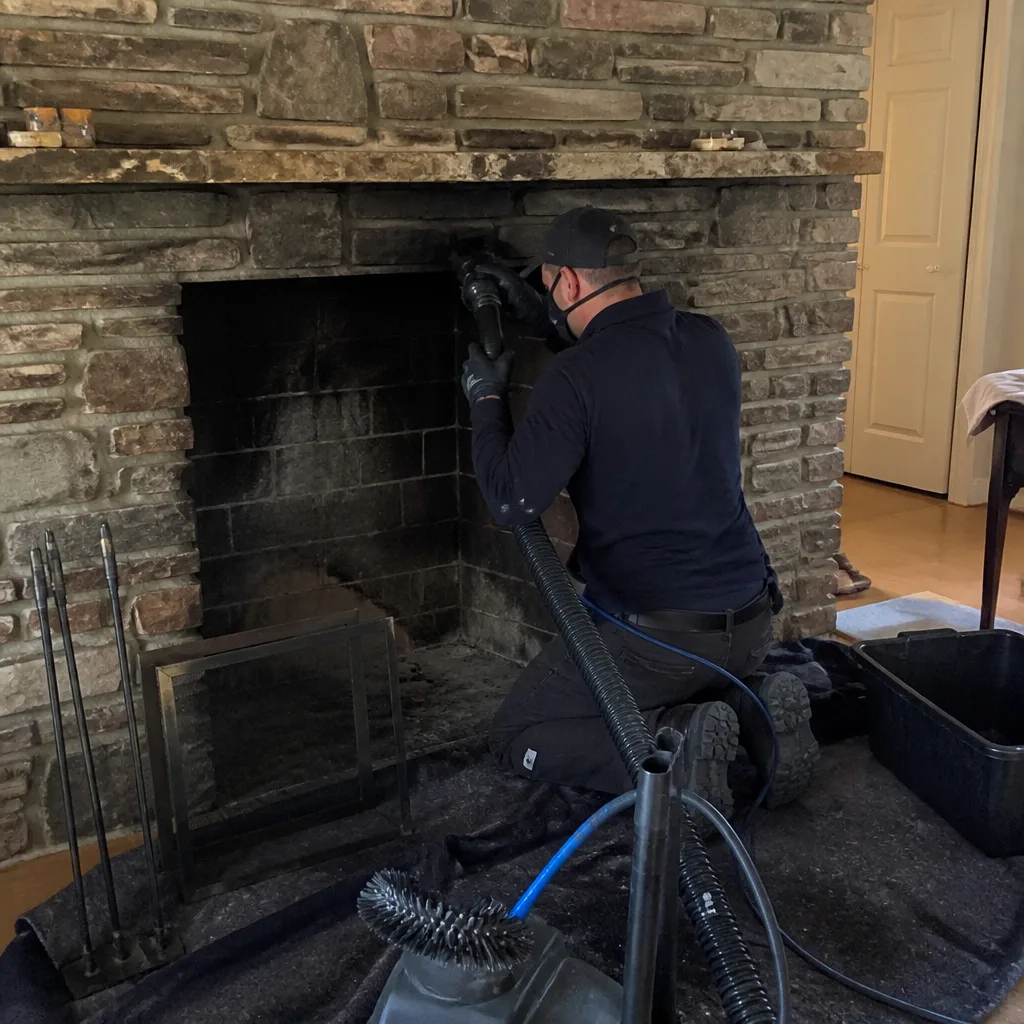 Before
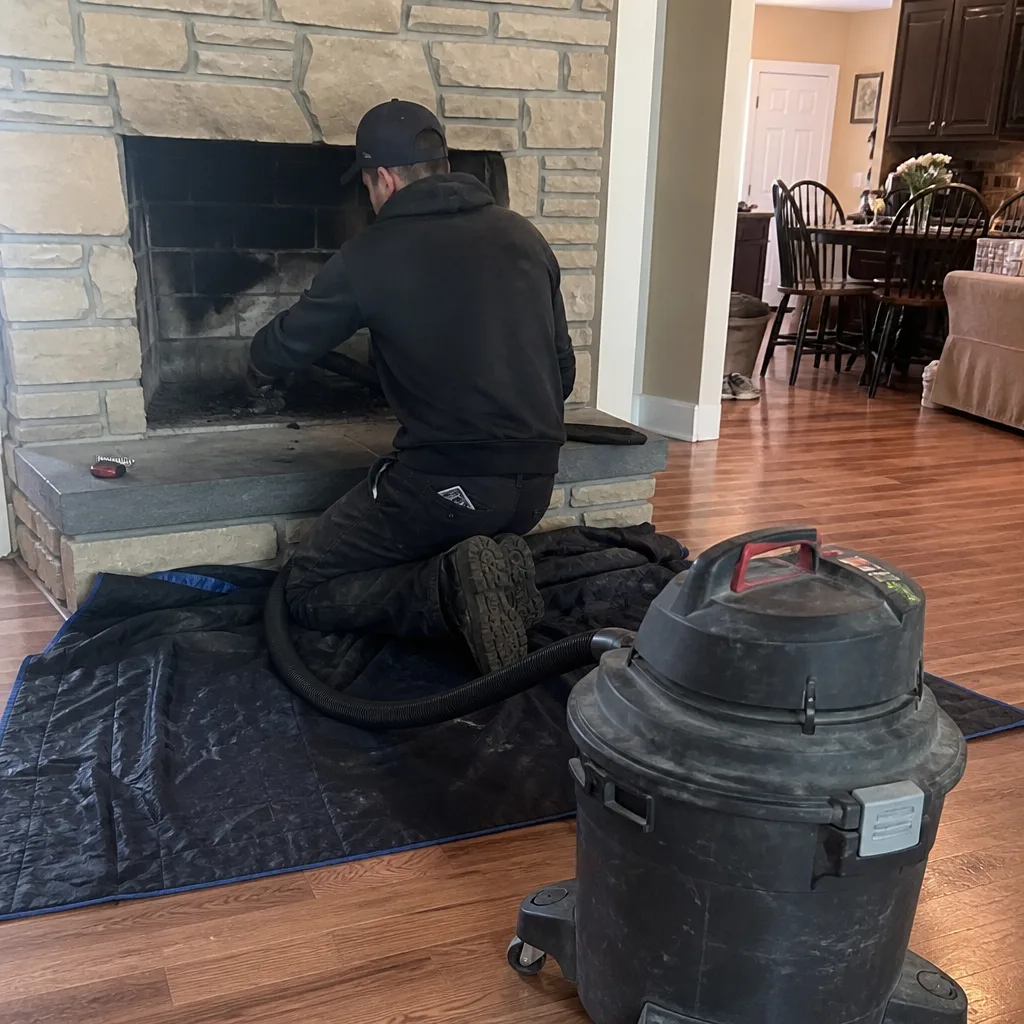 After
After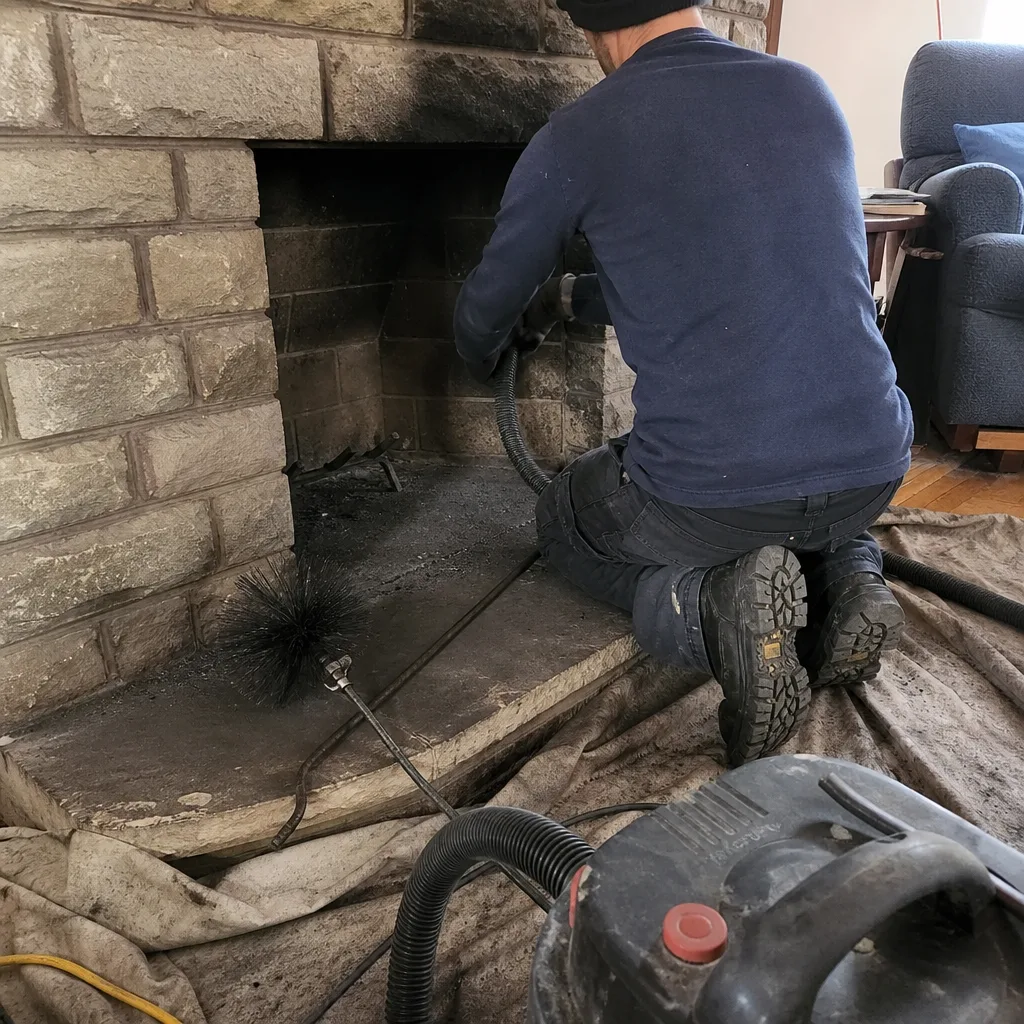 Before
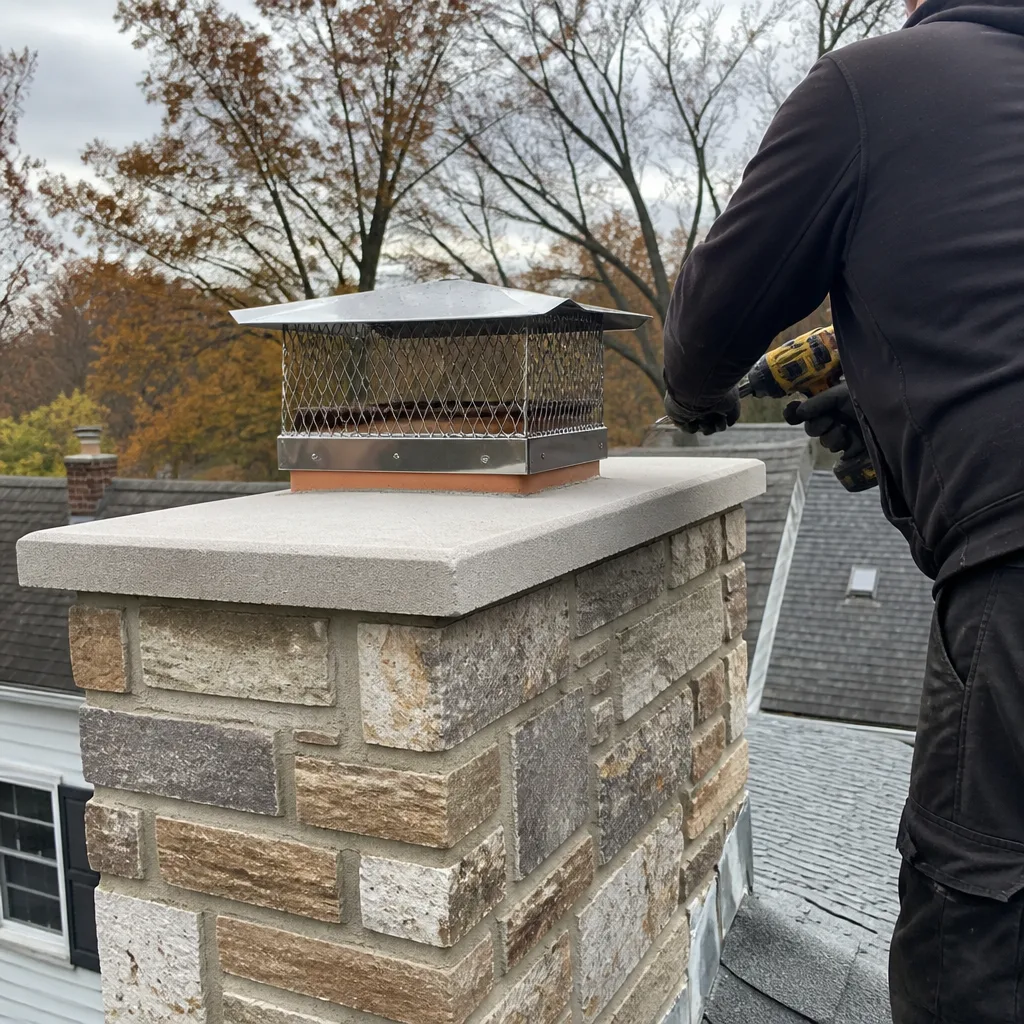 After
AfterThe Complete Guide to Chimney Cleaning in Bethlehem
The Chimney Safety Institute of America estimates that 25% of home heating fires involve chimneys that were cleaned within the past year. That statistic stops most Bethlehem homeowners cold, and it should. Frequency alone is not the answer. What matters is what your chimney actually accumulates, how that buildup behaves inside your specific flue, and whether your sweep is looking for the right evidence before declaring the job done. In this guide and our Seasonal Chimney Cleaning Care for Bethlehem: Year-Round Homeowner’s Guide, we’ll walk you through how Bethlehem’s mix of Victorian-era row homes, mid-century colonials, and newer construction creates distinct chimney challenges that a calendar-based cleaning schedule will miss. You’ll learn to read your own chimney’s condition, understand what your sweep’s written verdict means, and know when a cleaning is sufficient versus when it signals deeper work ahead.
Quick Answer
Chimney cleaning in Bethlehem typically costs between $175 and $325 for a standard sweep with Level 1 inspection, though older homes with Stage 2 or 3 creosote may run higher. A proper cleaning removes combustible deposits and obstructions, but it does not repair cracked flue tiles, deteriorated mortar, or damaged liners - conditions we find in roughly 40% of Bethlehem inspections. The safest approach is an annual Level 1 inspection to determine whether sweeping is actually needed, paired with photo documentation that creates a baseline for tracking changes year over year.
Table of Contents
- Why Bethlehem Chimneys Are Different
- The Three Stages of Creosote (and What Each Fuel Produces)
- Inspection vs. Sweeping: Two Separate Line Items
- How to Read Your Sweep’s Written Verdict
- Photo Documentation as a Baseline
- What Chimney Cleaning Costs in Bethlehem
- A Smarter Maintenance Schedule
- Common Mistakes to Avoid
- When to Call a Professional
- Frequently Asked Questions
- The Bottom Line
Why Bethlehem Chimneys Are Different
Bethlehem’s housing stock tells a story of industrial-era construction, postwar expansion, and selective renovation - and that story lives in your chimney flue. The South Side’s Victorian twins and row homes, built for steelworkers’ families in the late 1800s and early 1900s, often feature flue tiles measuring 8×8 inches or smaller. These dimensions met the standards of their day, when coal and early cord wood were the primary fuels. Modern EPA-certified wood stoves and high-efficiency inserts, by contrast, require larger flue volumes to maintain proper draft and complete combustion. When you install a modern appliance in an undersized Bethlehem flue, the smoke lingers longer, cools faster, and deposits creosote at accelerated rates.
The North Side and West Bethlehem neighborhoods tell a different story. The 1950s and 1960s colonials and split-levels here typically have 8×12 or 10×10 flue tiles, better suited to modern use but often suffering from decades of deferred maintenance. We’ve found original clay flue tiles in homes on Center Street and Broad Street that have never had a professional inspection since installation. The freeze-thaw cycles of Lehigh Valley winters - temperatures routinely swinging from single digits to 50°F within 48 hours - stress masonry crowns and exterior brick at rates higher than more temperate Pennsylvania regions.
The fuel mix compounds these structural factors. Bethlehem homeowners burn cord wood harvested from Pennsylvania hardwood forests (primarily oak, maple, and hickory), compressed pellets from regional mills, and natural gas delivered through UGI’s local distribution network. Each fuel produces distinct combustion byproducts. Cord wood, especially when improperly seasoned, generates significant Stage 2 and Stage 3 creosote. Pellets burn cleaner but produce fine ash that can clog venting systems designed for wood. Gas burns the cleanest of all, but improperly vented gas appliances in aging flues create condensation that deteriorates mortar and rusts metal components from the inside out.
Finally, Bethlehem’s local amendment to the International Residential Code requires compliance with the Chimney Cleaning & Sweep in Bethlehem standards for any solid-fuel appliance installation or modification. While the city does not mandate annual inspections by law, homeowner’s insurance policies increasingly require documented professional maintenance for claims related to chimney fires or carbon monoxide incidents.
The Three Stages of Creosote (and What Each Fuel Produces)
Creosote is not a single substance. It progresses through three distinct stages, each with different combustion risks and removal requirements. Understanding which stage your fuel and burning habits produce is the foundation of informed chimney maintenance.
Stage 1 creosote appears as light, flaky soot. It brushes away easily with standard sweeping tools and poses minimal fire risk. This is what you want to find. Properly seasoned hardwood burned with adequate air supply produces primarily Stage 1 deposits. In Bethlehem, we see this in homeowners who split and stack their own wood for 18+ months, or who purchase from established local suppliers like those in the Saucon Valley area with documented seasoning practices.
Stage 2 creosote transforms into crunchy, porous chips or tar-like flakes. It requires more aggressive mechanical removal - typically a motorized whip or chain system. Stage 2 indicates incomplete combustion, usually from burning unseasoned wood, restricting air flow, or operating an appliance below its optimal temperature range. This is the most common finding in Bethlehem’s older flues, where restricted draft from undersized tiles or partial blockages creates the cool, oxygen-starved conditions that accelerate Stage 2 formation.
Stage 3 creosote is the dangerous form: a hard, glossy, highly concentrated tar that adheres to flue walls like enamel. It cannot be removed by sweeping alone. Stage 3 requires chemical treatment to soften deposits over days or weeks, followed by mechanical removal, and in severe cases, flue replacement. We encounter Stage 3 most often in Bethlehem homes where homeowners have installed wood stoves into existing fireplaces without proper liner sizing, or where years of skipped inspections have allowed gradual accumulation.
| Fuel Source | Typical Creosote Stage | Primary Risk Factor |
|---|---|---|
| Seasoned hardwood (18%+ dried) | Stage 1 | Minimal with proper burning |
| Unseasoned or “green” wood | Stage 2-3 | Moisture content above 25% |
| Wood pellets | Stage 1 (fine ash) | Clogged venting, auger jams |
| Natural gas | Minimal creosote | Condensation damage, CO risk |
| Presto logs / compressed fuels | Stage 2 | Additives and binders |
The Lehigh Valley’s humidity patterns affect this progression directly. Our summers run humid, and wood stored in basements or garages absorbs moisture that translates directly to Stage 2 and 3 formation come burning season. We’ve measured moisture content in “seasoned” wood from Bethlehem basements at 35% - nearly green - even when surface appearance suggests readiness.
Inspection vs. Sweeping: Two Separate Line Items
This distinction matters for your safety and your budget. A sweep cleans. An inspection evaluates. They are not interchangeable, and knowing which you need prevents both overspending and dangerous gaps in maintenance.
Level 1 Inspection is the annual standard for chimneys in continued use without changes to the system. A certified technician examines readily accessible portions of the chimney exterior, interior, and connecting appliances. No specialized equipment is required, though we always bring a flashlight and mirror as minimum practice. The Level 1 determines whether sweeping is needed and identifies obvious defects. In Bethlehem, where many homeowners have burned the same way for decades, the Level 1 is appropriate most years.
Level 2 Inspection is required by NFPA 211 whenever you sell a property, change your appliance type, experience a chimney fire or significant weather event, or modify the system in any way. This includes camera inspection of the full flue length, accessible portions of attics and crawl spaces, and examination from the roof. At Hearthstone Chimney Co., our Level 2 inspections conclude with dated photographs you can see and a plain-English verdict - documented like an engineer, explained like a craftsman. We complete these with professional-grade camera systems, and the photo record becomes your property’s permanent chimney history.
Sweeping is the physical removal of deposits. It proceeds only after inspection determines it is necessary. A sweep without prior inspection is like surgery without diagnosis - it might help, it might miss the real problem, and it gives you false confidence.
When you need both, the sequence is fixed: inspect first, then sweep if indicated, then inspect again to confirm complete removal and flue integrity. Our Chimney Cleaning & Sweep in Bethlehem service follows this protocol on every visit, with no-hassle upfront pricing so the number on the estimate is the number on the invoice.
How to Read Your Sweep’s Written Verdict
After every inspection, you should receive a written document that records findings, recommendations, and priority levels. Not all sweeps provide this. Some give verbal summaries that evaporate from memory. Others bury critical findings in generic checklists. Here’s how to read what you receive and what each category means for action.
- “Satisfactory - continue annual inspection”: The flue is clear, masonry is sound, and no defects are visible. Schedule your next inspection in 12 months, or before next burning season if you burn heavily.
- “Monitor - note for next inspection”: Minor wear, early-stage deterioration, or conditions that do not currently affect safety but may progress. Examples include hairline crown cracks, slight mortar joint erosion, or early rust on metal components. These findings should include a photograph and specific location so future inspectors can compare.
- “Repair recommended - schedule within burning season”: Conditions that affect performance or present developing safety concerns. Examples include deteriorated crown wash, missing or damaged chimney cap, or moderate flue tile spalling. These repairs typically run $400-$1,200 and prevent costlier damage.
- “Repair required - do not use until completed”: Immediate hazards that present active risk of fire, carbon monoxide intrusion, or structural failure. Examples include detached or missing flue tiles, significant liner deterioration, or active water intrusion into combustible framing. Your sweep should explain the specific hazard, show you the evidence, and provide a written quote with no pressure to commit immediately.
The critical distinction between categories 3 and 4 is use restriction. A category 3 repair can wait for scheduling convenience. A category 4 finding means the system is unsafe to operate. If your sweep cannot explain why a finding falls in category 4, or cannot show you photographic evidence, seek a second opinion. Hearthstone Chimney Co. offers free second opinions on any written estimate - no paperwork, no arguing, just a straight assessment of whether the recommended work matches the actual condition.
In Bethlehem’s older housing stock, we issue category 3 and 4 findings more frequently than in newer construction. The combination of original clay flue tiles, decades of thermal cycling, and previous homeowners’ DIY modifications creates conditions that inspection alone reveals. We’ve found unlined brick chimneys still in use on the South Side, original 1920s terra cotta flue tiles crumbling in West Bethlehem, and gas water heaters vented into collapsed masonry on the North Side. Each required category 4 classification and immediate correction.
Photo Documentation as a Baseline
Your chimney’s condition is invisible. Unlike a roof leak or a drafty window, deterioration inside a flue gives no warning until failure occurs. Photo documentation transforms this hidden system into a trackable history.
On a first visit, we photograph the full flue length, crown condition, firebox state, and any accessible exterior masonry. These images establish your baseline. On return visits, we shoot the same angles and compare. A crack that measured 1/8 inch in 2022 and 3/8 inch in 2024 tells a clear story of progressive deterioration. Without the baseline, both inspector and homeowner guess at rates of change.
This practice changes the conversation around maintenance. Instead of “your chimney needs work” - which sounds like sales pressure - the discussion becomes “your crown crack has widened 250% in two years, and here’s the photo progression.” Homeowners who have been burned by contractors before, who remember a previous oversell, respond to evidence they can verify independently.
For Bethlehem homes with multiple fireplaces or flues, we label each photo set by location and appliance. A Center Street twin might have a basement gas boiler vent, a first-floor fireplace, and a second-floor bedroom hearth - three separate systems with independent maintenance needs. Baseline documentation prevents the common error of tracking one flue’s condition while assuming the others match.
We store these records indefinitely. If you sell your Bethlehem home, the documentation transfers to the new owner, satisfying disclosure requirements and often accelerating sale negotiations. If you experience an insurance claim, the photo history establishes maintenance diligence that supports your position.
The equipment matters. Consumer-grade phone cameras cannot capture adequate detail in dark flue interiors. We use professional camera systems with adjustable LED lighting and 90-degree articulating heads, paired with monitors that let you see the feed in real time. The brands we trust for this work include inspection cameras built to professional durability standards - not the disposable units sold at hardware retailers.
What Chimney Cleaning Costs in Bethlehem
Pricing varies with access difficulty, deposit severity, and whether inspection reveals conditions requiring correction. The table below reflects our current Bethlehem market ranges for standard scenarios. These are upfront prices - the number on the estimate is the number on the invoice.
| Service | Typical Range | What Affects Price |
|---|---|---|
| Level 1 Inspection | $125 - $175 | Roof height, access difficulty, number of appliances |
| Standard Sweep with Level 1 | $175 - $325 | Stage 1 deposits, single flue, ground-level access |
| Heavy Creosote Removal (Stage 2) | $325 - $495 | Mechanical whipping, extended labor, protective setup |
| Stage 3 Chemical Treatment | $450 - $750 | Multiple applications, return visits, full protective containment |
| Level 2 Camera Inspection | $275 - $425 | Flue length, number of flues, attic/crawl access |
| Chimney Cap Installation | $350 - $650 | Material (stainless vs. copper), size, custom fitting |
| Crown Repair/Resurfacing | $400 - $950 | Extent of deterioration, accessibility, material choice |
Standing offers that reduce these costs: $50 off any repair over $250; free second opinion on any written estimate; $89 seasonal tune-up (limited availability September-October); and permanent 5% senior and veteran discount. These combine with our 90-Day Done Right Promise - in writing, no arguing - so if work does not perform as specified, we return at no charge.
Bethlehem’s competitive market includes price-cutting chains that advertise sweeps below $100. In our experience, these offers exclude inspection, use unverified subcontractors, or discover “necessary” upsells only after arrival. A proper sweep with documented inspection cannot be performed at a loss. We price honestly so we can stand behind the work.
A Smarter Maintenance Schedule
Stop cleaning by the calendar. Start cleaning by the evidence. The schedule below adapts to your actual use patterns and fuel choices, not an arbitrary annual date.
For cord wood burners:
- Inspect annually before first fire, regardless of apparent condition.
- Sweep after every cord burned, or when inspection reveals Stage 2 deposits.
- Obtain baseline Level 2 camera documentation if you have not had professional inspection in three or more years.
- Check wood moisture content monthly with a $25 meter - target below 20%.
- Schedule mid-season inspection if you burn more than three cords per winter.
For pellet stove operators:
- Professional inspection annually, including venting system and combustion chamber.
- Clean ash traps and heat exchangers per manufacturer schedule - typically every 2-4 tons burned.
- Verify proper auger operation and gasket integrity before each season.
- Schedule professional venting sweep if exhaust flow decreases or error codes appear.
For gas fireplace and log set users:
- Annual inspection of burner operation, valve function, and venting integrity.
- Clean glass and visible components per manufacturer guidance.
- Request camera inspection of metal flue or B-vent if installed more than 15 years ago.
- Test carbon monoxide detectors annually and replace per manufacturer life rating.
For mixed-fuel homes: Many Bethlehem properties operate wood or pellet primary heat with gas backup, or maintain decorative fireplaces alongside functional heating appliances. Each system requires independent inspection. A clean gas flue does not indicate a clean wood flue, and vice versa. We inspect and document each separately, with clear labeling in your permanent record.
The Lehigh Valley’s burning season typically runs October through April, with peak demand September through November. Scheduling inspection in August or early September ensures availability and often catches summer moisture damage before first fire. Waiting until cold weather arrives means competing with emergency calls and potential use restrictions if inspection reveals category 4 conditions.
Common Mistakes to Avoid
- Assuming a clean chimney last year means a safe chimney this year. The CSIA statistic about recently-cleaned chimneys involved in fires applies directly here. Creosote accumulation depends on fuel quality and burning behavior, not calendar time. A week of unseasoned wood can deposit more Stage 2 creosote than a full season of proper burning.
- Hiring based on price alone. Bethlehem’s market includes operators who perform sweeps without inspection, without documentation, and without the insurance and bonding that protect your property. Verify CSIA or equivalent certification, request proof of insurance, and confirm that the person performing work is a background-checked, uniformed employee - not a subcontractor you’ve never met.
- Ignoring the specific characteristics of older Bethlehem flues. Victorian and row-home chimneys were built for different fuels and different appliances. Installing modern equipment without proper liner sizing creates the accelerated creosote conditions we described above. Always obtain a Level 2 inspection before appliance changes.
- Storing wood against the house or in unventilated basements. This attracts pests, promotes moisture absorption, and creates fire hazards. Stack wood 18+ inches from foundation walls, elevated on pallets, with top cover but open sides for airflow. In Bethlehem’s humid summers, covered outdoor storage with six months seasoning outperforms basement “protection.”
- Using chimney cleaning logs as a substitute for professional sweeping. These products may reduce light Stage 1 deposits but cannot remove Stage 2 or 3 creosote and provide no inspection of flue condition. They are maintenance supplements, not replacements.
- Failing to document findings for future comparison. Without photos and written records, every inspection starts from zero. You cannot track deterioration rates, prove maintenance history for insurance or sale, or verify that recommended work matches actual progression.
- Operating after a chimney fire without professional inspection. Even minor chimney fires - the puffing sound, the hot smell, the sudden draft change - can crack flue tiles, damage liners, or compromise mortar. The chimney may appear functional while presenting active hazard. Always obtain Level 2 inspection after any suspected fire event.
When to Call a Professional
Call when inspection is due, when operation changes, or when warning signs appear. Specific triggers include: visible creosote flakes in the firebox, smoke entering the room during normal operation, a persistent acrid odor when the system is not in use, white efflorescence or dark staining on exterior masonry, damaged or missing chimney cap, or any suspected chimney fire event. For Chimney Repair in Bethlehem needs that inspection reveals, we provide written quotes with photographic evidence and priority classification.
Hearthstone Chimney Co. offers free estimates in Bethlehem - call (610) 595-5754. A live person answers every call, 24 hours a day, 7 days a week. No voicemail, no callback queue, no app. We’ll schedule at your convenience, arrive when we say, and leave you with photos you can see and a plain-English verdict. Done right - and we stand behind it.
Frequently Asked Questions
A standard chimney sweep with Level 1 inspection in Bethlehem typically costs between $175 and $325. Older homes with Stage 2 or 3 creosote, difficult roof access, or multiple flues may run higher. We provide no-hassle upfront pricing - the number on the estimate is the number on the invoice - and offer $50 off any repair over $250, plus a permanent 5% senior and veteran discount. Call (610) 595-5754 for an exact quote; estimates are free.
You need a new liner when inspection reveals conditions that the existing liner cannot safely contain. These include detached or missing flue tiles, significant spalling or cracking that exposes combustible framing, or installation of a new appliance that the existing flue cannot properly vent. We never recommend liner replacement without camera evidence you can see yourself, and we plainly state when conditions can be monitored versus when they require immediate action. Our liners use professional-grade materials from DuraFlex and HeatShield, installed to manufacturer specifications.
Inspection annually; sweeping only when inspection indicates it’s needed. For cord wood burners, this typically means sweeping after every cord burned or when deposits reach Stage 2. Pellet and gas systems follow manufacturer schedules with professional verification. Bethlehem’s older flues and mixed fuel housing stock make annual inspection essential - the calendar alone does not determine safety. Call (610) 595-5754 to schedule.
Skipped maintenance allows creosote to progress from manageable Stage 1 to hazardous Stage 2 and 3 deposits, increasing chimney fire risk significantly. In Bethlehem’s older housing stock, skipped inspection also means missed deterioration of flue tiles, mortar, and liners that can allow carbon monoxide intrusion or structural failure. The cost of emergency repair or fire restoration far exceeds routine maintenance. We find that homeowners who establish baseline documentation and annual inspection rarely face surprise major expenses - problems are caught early and addressed progressively.
A sweep removes combustible deposits and obstructions from the flue. An inspection evaluates the system’s condition, safety, and code compliance. They are separate procedures with separate purposes. NFPA 211 standards require inspection to determine whether sweeping is needed, and inspection again afterward to confirm complete removal and flue integrity. At Hearthstone Chimney Co., we never sweep without prior inspection, and we document both with photos you can see.
Homeowners can perform basic firebox and damper cleaning, but flue sweeping requires proper equipment, access, and training to be effective and safe. More critically, without camera inspection you cannot evaluate flue condition or confirm complete deposit removal. Bethlehem’s older chimneys present specific hazards - deteriorated mortar, unstable flue tiles, and unexpected obstructions from decades of use - that DIY methods cannot assess. For the safety of your home and family, professional evaluation is the wiser investment. We offer free estimates and free second opinions on any written estimate you’ve received.
The Bottom Line
Chimney cleaning in Bethlehem is not a single annual task to check off a list. It is an evidence-based practice that adapts to your specific fuel, your home’s construction era, and your flue’s actual condition. The Lehigh Valley’s mix of cord wood, pellets, and gas appliances in housing stock ranging from 1890s row homes to 1990s subdivisions creates layered maintenance needs that calendar-based scheduling misses. Start with baseline photo documentation. Inspect annually. Sweep when inspection indicates, not by default. Read your written verdict carefully, question findings you cannot see, and build a maintenance history that protects your property value and your family’s safety. The 25% of chimney fires involving recently-cleaned systems are a warning: frequency without specificity is not protection. Precision is.
For Fireplace Services in Bethlehem or any chimney need, Hearthstone Chimney Co. provides Level 2 camera inspections with photo documentation, professional-grade repairs using materials from Famco, Copperfield, and other trusted brands, and the 90-Day Done Right Promise - in writing, no arguing. We’ve served local communities for over 42 years, and we plan to be here for decades more. That changes how we treat every home we enter.
Written by Russell Haines, Owner at Hearthstone Chimney Co., serving Bethlehem since 2014.